
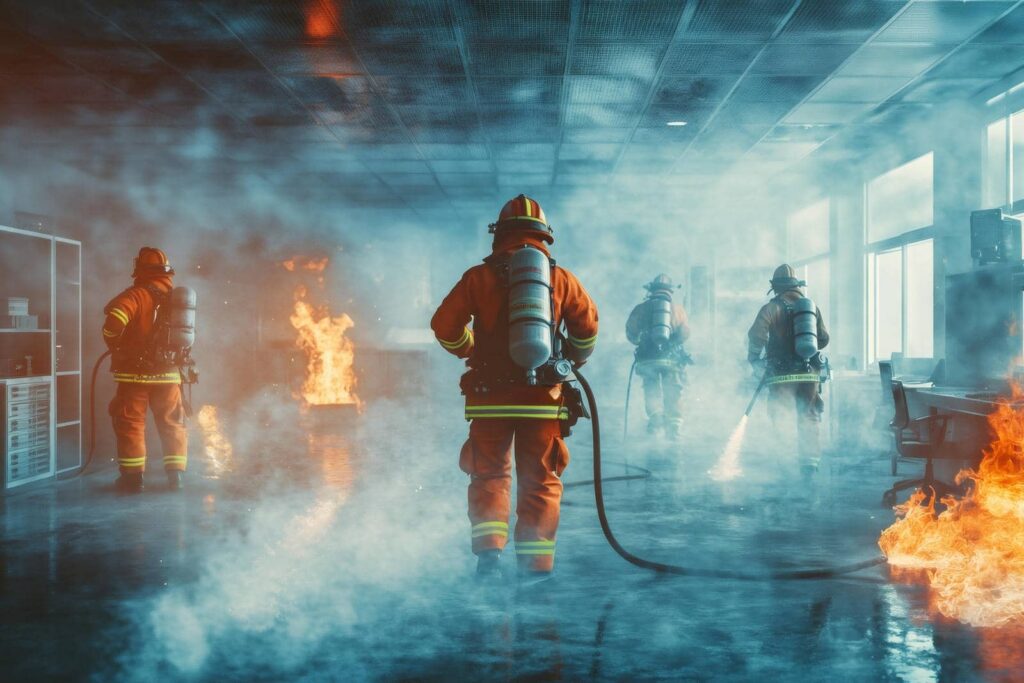
A fire leaves more than charred walls—it leaves water behind. When you extinguish flames, you also soak framing, drywall, flooring, and contents, and that moisture can trap smoke, soot, and odors while weakening materials fast. If you wait, mold and structural damage can follow. You need to know which losses require immediate drying, cleaning, and removal, because the next steps can change everything.
Key Takeaways
- Firefighting hoses and sprinklers often saturate buildings, leaving hidden water damage after flames are out.
- Smoke and soot combine with moisture, staining porous materials and causing lingering odors.
- Water can spread into drywall, insulation, flooring, and framing, creating unseen structural damage.
- Rapid drying and cleanup are needed because fire, smoke, and water damage worsen each other quickly.
- Restoration teams handle both together to stabilize safety, prevent corrosion, and improve insurance documentation.
Why Fire Damage Often Includes Water Damage
Fire damage often comes with water damage because firefighting efforts introduce large amounts of water into the structure. You may also face moisture from sprinklers, hose streams, and suppressed hotspots that keep soaking materials after the flames are out.
That extra water can spread through drywall, insulation, flooring, and framing, weakening surfaces and creating hidden damage. In fire and water damage restoration, you need a fast, coordinated response to remove debris, dry affected areas, and limit secondary problems.
Smoke residues can mix with moisture and stain finishes, so you should inspect every room, not just the burn area. When you act quickly, you protect your property, reduce repairs, and stay in control with a team that knows what you’re dealing with.
How Firefighting Water Soaks the Property
Even after the flames go out, firefighting water can keep soaking the structure long after the emergency ends.
You may see puddles on floors, but most moisture hides inside walls, insulation, subfloors, and framing. Fire crews often apply large volumes fast, and water follows gravity, seams, and gaps into areas you can’t see.
If sprinklers activated, they can add more saturation to ceilings and contents. That moisture keeps moving by capillary action, so a room that looks manageable can still hold a lot of water.
You need quick extraction, controlled drying, and moisture readings to track the spread. Acting early helps your property, your team, and your recovery stay on the same path.
What Smoke and Soot Do to Wet Materials
When smoke and soot land on wet materials, they bind to the moisture and spread deeper into porous surfaces. You’ll see staining that isn’t just surface-level; it can wick into drywall, wood, insulation, and fabric.
That moisture also traps acidic soot, which can etch finishes, dull colors, and leave a stubborn odor. If you’re dealing with a shared loss, you’re not alone—these materials often need coordinated drying and cleaning to avoid permanent damage.
You should keep airflow controlled, separate clean areas from contaminated ones, and treat soft goods carefully because wet soot transfers easily. The sooner you address the residue, the better you can limit discoloration, corrosion, and lingering contamination across the property.
Why Fire Damage Restoration Starts Fast
You need a rapid smoke assessment because residue can keep spreading, corroding surfaces, and contaminating unaffected areas.
You also need immediate structural stabilization to address heat-weakened materials, moisture load, and safety risks before damage worsens.
When you act fast, you limit secondary loss and make the restoration process more controlled.
Rapid Smoke Assessment
Rapid smoke assessment begins quickly because smoke keeps damaging surfaces, contents, and indoor air long after the flames are out. You need to identify soot type, odor strength, and hidden residue before it bonds to finishes and fabrics.
A fast inspection lets you map affected rooms, note HVAC spread, and separate light surface film from deeper contamination. You’ll usually document electronics, upholstery, walls, cabinets, and adjacent spaces with moisture and smoke overlap.
That matters because smoked-in particles can etch metal, stain paint, and keep circulating through your home. When you act early, you protect more of your space and make cleanup more precise.
Your restoration team can then choose the right cleaning method, reduce loss, and help you get back to a safer, more familiar environment.
Immediate Structural Stabilization
After smoke assessment, the next priority is immediate structural stabilization because fire-damaged buildings can keep shifting, leaking, or failing long after the flames are out.
You need to secure weakened framing, brace sagging walls, and tarp openings before wind or rain adds water damage. Crews often shore floors, remove loose debris, and isolate unsafe zones so you can move through the site without extra risk.
If sprinklers, hoses, or burst lines soaked materials, fast stabilization also helps limit mold, corrosion, and collapse.
You’ll get better results when you act as a team, document hazards, and coordinate structural, fire, and water repairs in one plan. That approach protects your property, your crew, and your recovery timeline.
What to Do After a Fire and Water Loss
First, you should make sure the property is safe to enter and shut off utilities if there’s any risk from fire, water, or structural damage.
Next, document all visible damage with photos and notes before you move or discard anything.
Then call a restoration team right away so they can assess fire, smoke, and water impacts and start mitigation.
Safety First
When a fire has also left water behind, you need to treat the property as hazardous until you know what’s stable and what isn’t.
Stay outside if you smell gas, see downed lines, or notice sagging ceilings, warped floors, or active leaks.
Shut off utilities only if you can reach them safely and without entering pooled water.
Wear boots, gloves, and a respirator if you must move through the space briefly.
Keep children and pets away.
Don’t touch wet outlets, appliances, or metal fixtures.
If structural damage looks severe, wait for clearance before reentry.
You’re not dealing with a normal cleanup; you’re protecting your crew, your family, and your home.
Work with responders and restoration pros who know how to secure fire and water damage fast.
Document Damage
Documentation is your record of loss, and it helps drive both the insurance claim and the restoration plan.
Start by photographing every affected room before you move anything. Capture wide shots, then close-ups of charred surfaces, soot, wet drywall, warped flooring, stained insulation, and damaged contents. Use your phone’s timestamp, and keep each image clear and grouped by area.
Create a simple inventory with item names, locations, estimated age, and visible condition. Save receipts, temporary housing costs, and emergency purchases in one folder.
If safe, mark wet zones with tape so you can track spread. Back up files to cloud storage or email them to yourself.
Good records help you stay organized, speak confidently, and protect your claim.
Call Restoration Help
Once you’ve recorded the damage, call a restoration company that handles both fire and water losses.
You need one team that can assess soot, smoke residue, structural moisture, and hidden saturation in one visit. Ask for 24/7 response, thermal imaging, moisture mapping, and content recovery.
They should secure the site, extract standing water, dry framing, clean affected surfaces, and separate salvageable items from unsalvageable ones.
Share your photos and insurance details so they can build an accurate scope and prevent delays.
The right crew helps you avoid secondary damage, mold growth, and corrosion.
You’re not handling this alone; experienced pros guide you through each step and keep the process organized.
Quick action gives your home the best chance for a safe, efficient recovery.
Which Materials Need Special Restoration?
Certain materials need specialized restoration because fire and water often damage them in different ways at the same time.
You’ll usually need extra care for drywall, insulation, hardwood, upholstered furniture, electronics, books, photos, and textiles. These materials absorb moisture, trap smoke residue, or warp under heat, so standard drying isn’t enough.
Metal fixtures can corrode, while composite boards may swell and lose strength. If you’re part of a home or business recovery team, check items with hidden cavities, glued layers, or delicate surfaces first.
Porous materials can hold odors and contaminants, and fragile contents can tear during handling.
Prioritize anything with sentimental, structural, or operational value so you protect what matters most and stay connected to a safe, livable space.
How Fire and Water Cleanup Works
After you’ve identified the materials that need special care, the cleanup process starts with a full safety check, moisture mapping, and a damage assessment. You shut off affected power, isolate salvageable areas, and document everything before removal begins.
Next, you extract standing water, remove soaked debris, and open cavities so hidden moisture can’t keep spreading. You then clean soot, smoke residue, and contaminated surfaces with the right detergents and HEPA filtration.
After that, you dry structural materials with air movers and dehumidifiers, checking readings until levels stabilize. Finally, you sanitize, deodorize, and prep the space for repairs.
When you follow this sequence, you protect your crew, reduce secondary damage, and keep your home on a clear path back to normal.
When to Call a Fire Damage Restoration Team
You should call a fire damage restoration team as soon as the scene is safe, because fire, smoke, soot, and water from firefighting can keep damaging the structure and contents long after the flames are out.
If you smell smoke, see staining, notice warped materials, or find wet insulation, act fast. A qualified crew can inspect structural damage, stop corrosion, dry hidden moisture, and remove soot before it bonds to surfaces.
You’ll also get help documenting losses and coordinating with your insurer, which can reduce delays and stress.
Don’t wait for odors to fade or walls to dry on their own. Early response protects your home, your health, and your recovery team’s chances of restoring as much as possible.
Frequently Asked Questions
Can Hidden Water Damage Appear After Smoke Cleanup?
Yes—like a Trojan horse, hidden water damage can emerge after smoke cleanup. You’ll find moisture trapped behind walls, under floors, or in insulation, so inspect promptly, dry thoroughly, and monitor for mold, swelling, and odors.
Do Sprinkler Systems Cause Mold After a Fire?
Yes—sprinkler systems can cause mold after a fire if you don’t dry wet materials quickly. You’ll need prompt dehumidification, airflow, and removal of soaked debris to stop hidden moisture from feeding growth.
How Long Before Wet Drywall Starts to Fail?
Wet drywall can start failing within 24 to 48 hours. You’ll see sagging, swelling, and soft spots fast, so dry it immediately, remove damaged sections, and check for hidden moisture to prevent mold and structural issues.
Are Personal Belongings Salvageable After Smoke and Water Exposure?
Yes—often, but time matters. You can salvage most of the smoke- and water-exposed belongings if you act fast. You’ll need professional cleaning, odor removal, and drying to protect fabrics, electronics, and documents.
Does Fire Insurance Usually Cover Water Cleanup Too?
Usually, yes—your fire policy often covers water cleanup if firefighters, sprinklers, or burst pipes caused it. You’ll still need to review exclusions, deductibles, and limits, and document damage quickly for smoother claims processing.
Summary
Fire and water damage often arrive together, and you need to treat them as one problem. Water from firefighting can soak structure, trap smoke, and speed mold growth, so fast cleanup matters. Think of the building like a sponge holding both ash and moisture—if you delay, damage spreads deeper. Start drying, removing debris, and salvaging materials right away. If the loss is extensive, call a fire damage restoration team immediately.