
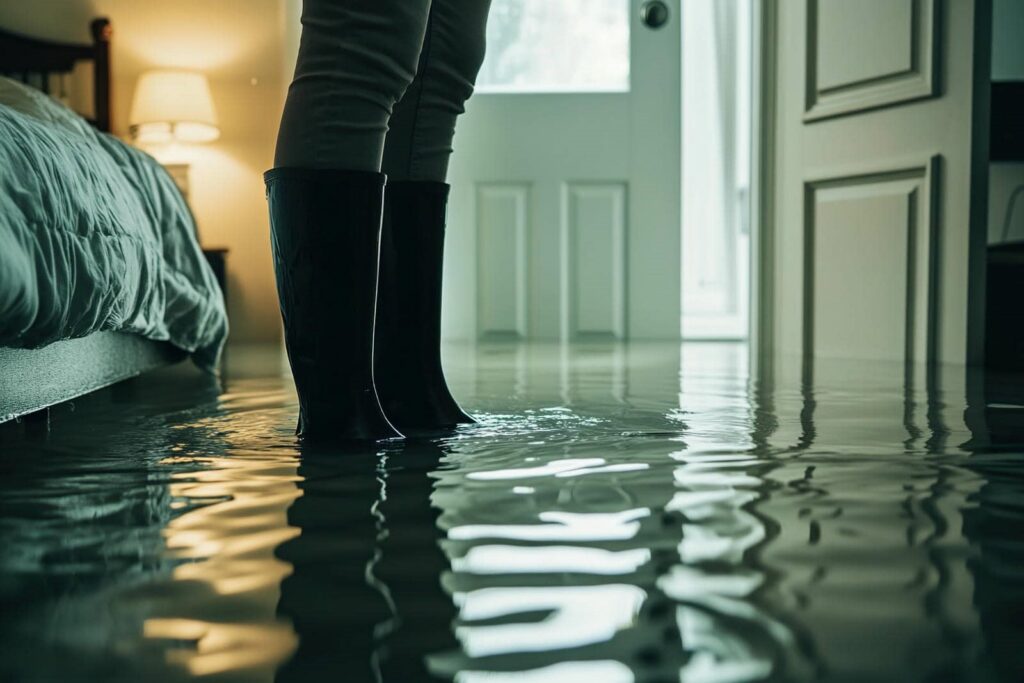
When water damage hits, your first moves can limit repairs, costs, and mold risk. You’ll need to stop the source, protect the electrical system, and document everything before you start cleanup. After that, the real work begins: removing standing water, drying materials fast, and deciding what you can save. The sequence matters more than most property owners expect, and one missed step can change the outcome.
Key Takeaways
- Shut off the water source and electricity in affected areas to prevent further damage and safety hazards.
- Document all damage with photos and notes for insurance before moving or discarding items.
- Remove standing water quickly using pumps, wet/dry vacuums, or towels, one room at a time.
- Dry and disinfect affected areas with fans, dehumidifiers, and approved cleaners to reduce mold growth.
- Call restoration professionals for large, contaminated, or electrical-related water damage, or if water keeps returning.
What to Do First After Water Damage
The first thing you should do after water damage is stop the source if you can, then cut power to the affected area if it’s safe to do so.
Next, document the damage with clear photos and short notes, so you’ve got a solid record for your insurer and repair team.
Move valuables, electronics, and soft items out of harm’s way, but only if you can reach them without risk.
Then contact a trusted restoration pro and your insurer right away.
These emergency water damage restoration steps help you protect your space, reduce hidden deterioration, and stay connected to the people who’ll guide you through the cleanup.
Keep the area ventilated if conditions allow, and avoid using wet materials until a professional checks them.
Stop the Water and Make It Safe
First, shut off the main water valve to stop the flow and limit further damage.
If water is near outlets, appliances, or the breaker panel, cut electrical power at the main switch if you can do so safely.
These two steps help you control the hazard and make the area safer for cleanup.
Shut Off Main Valve
Move quickly to shut off the main water valve if a burst pipe, leak, or flooding source is still active. You’ll usually find it where the line enters your home, near the meter, or in a utility closet.
Turn the handle clockwise until it stops; if it’s a lever, rotate it perpendicular to the pipe. If the valve feels stuck, don’t force it hard enough to break it. Use a wrench on the stem if needed, and call a plumber right away.
Once the flow stops, check that water isn’t still entering from another source. This simple step protects your home, limits structural damage, and helps your restoration team work faster.
You’ve got this, and quick action makes a real difference.
Cut Electrical Power
If water’s still spreading or you see standing water near outlets, appliances, or the electrical panel, cut power to the affected area right away.
Go to the main breaker only if you can reach it safely and your feet stay dry; otherwise, call an electrician or utility company.
Never touch switches, cords, or equipment with wet hands. Unplug electronics only after power is off and the area is safe.
If you smell burning, hear buzzing, or see sparks, back away and keep everyone clear. This step protects you, your home, and the people helping you.
Once the circuit is de-energized, you can document damage and begin cleanup with confidence, knowing you’ve reduced the risk of shock, fire, and wider system failure while waiting for restoration support.
Photograph the Damage for Insurance
Before you clean up or move damaged items, photograph every affected area so you’ve got clear evidence for your insurance claim. Use your phone or camera to capture wide shots first, then take close-ups of stains, warped materials, ceiling drips, and damaged contents.
Include timestamps if your device supports them, and keep each image sharp, well lit, and unedited. Move room by room so you don’t miss hidden loss, and photograph serial numbers, labels, and receipts when possible.
Make short video walkthroughs too; they help document the overall condition. Save copies to cloud storage and send them to your insurer promptly.
If you’re part of a community affected by the same event, this shared habit can help everyone protect their claims and move forward with confidence.
Remove Standing Water and Wet Materials
Start removing standing water as soon as it’s safe to do so, because every minute of delay can increase structural damage and mold growth.
Use a pump, wet/dry vacuum, mop, or towels to clear water from floors, basements, and low spots. Work from the outside in so you don’t spread contamination.
Then remove soaked items that can’t be salvaged, including carpet padding, cardboard, upholstery, and saturated drywall. Bag debris and keep intact materials separate for later review.
Wear gloves and boots, and shut off electricity in affected areas if you’re unsure about safety.
If your property has multiple rooms impacted, tackle one space at a time so your team can stay organized and effective. Acting quickly helps your home recover faster and keeps everyone on the same page.
Dry the Area Before Mold Starts
Start air circulation right away with fans and, if safe, a dehumidifier to lower surface moisture and slow mold growth.
Keep removing any remaining standing water so floors, baseboards, and carpets can dry faster.
Check behind furniture, under flooring edges, and inside wall cavities for hidden moisture, since trapped water can still trigger mold.
Start Air Circulation
Open windows and doors, and run fans to keep air moving through the wet area. You’ll speed evaporation and lower the chance of mold growth by pushing damp air out and drawing drier air in.
Place portable fans so they blow across surfaces, not just at one spot, and keep HVAC circulation on if it’s safe to do so. If you’ve got ceiling fans, use them on a low setting to help distribute airflow evenly.
Move furniture slightly apart so air can reach walls, baseboards, and flooring edges. Keep interior doors open to reduce stagnant pockets.
Check humidity if you can; drier conditions help materials recover faster. By improving circulation now, you’re taking a smart first step with the rest of your home community’s recovery.
Remove Standing Water
Remove standing water as soon as it’s safe, because the longer it sits, the faster it soaks into flooring, drywall, and hidden cavities where mold can begin to grow.
Use a wet/dry vacuum, mop, or pump to collect water from hard surfaces, working from the edges toward the center. Empty containers often so suction stays strong and cleanup stays efficient.
If you’re dealing with a larger area, move in sections so you can track what’s been cleared. Wear rubber boots and gloves to protect yourself from contaminants.
Keep doors open and fans running to support evaporation while you work. You’re not just cleaning up—you’re taking control fast, and that matters.
A steady, methodical approach helps your property recover sooner and keeps your team on track.
Dry Hidden Moisture
Push moisture out of hidden spaces before mold gets a foothold. After you remove standing water, open cabinet doors, pull away baseboards if you can, and lift wet rugs so air can reach the subfloor.
Use fans to create crossflow and a dehumidifier to pull water vapor from the room. If walls, insulation, or flooring feel cool or damp, keep drying them until readings drop to normal.
Check behind furniture, under sinks, inside closets, and around trim, because trapped moisture often hides there.
You can join a smart recovery routine by documenting wet spots and watching for swelling, odors, or discoloration.
If materials stay wet after 24 to 48 hours, call a restoration pro. Acting now helps you protect your space and keep your home safe.
Clean and Disinfect Flooded Surfaces
Once the standing water is gone, clean and disinfect all flooded surfaces to stop mold growth and reduce contamination.
Wear gloves, boots, and eye protection, then remove mud, silt, and debris with detergent and clean water. Scrub hard surfaces, baseboards, cabinets, and fixtures, rinsing as needed so no residue stays behind.
Mix a disinfectant labeled for flood cleanup according to directions, and apply it evenly to nonporous materials. Keep surfaces wet for the full contact time, then let them air-dry.
If you’re cleaning food-contact areas, use a sanitizer approved for that purpose after washing. Bag and discard porous items that can’t be fully cleaned.
When to Call Water Damage Restoration Pros
Call water damage restoration pros right away if the damage covers a large area, reaches walls, ceilings, or insulation, or involves sewage, contaminated floodwater, or electrical hazards.
You should also call when water keeps returning, materials stay damp after 24 to 48 hours, or you can’t safely remove flooring, drywall, or soaked contents yourself.
Pros use moisture meters, thermal imaging, extraction equipment, and drying systems to limit structural damage and mold growth.
If your home smells musty, swells, stains, or sags, don’t wait. Acting fast helps you protect your space and keep your household safe.
You’re not overreacting; you’re choosing the right support. The sooner your restoration team starts, the better your chances of recovery and peace of mind.
Frequently Asked Questions
How Do I Know if Water Has Damaged Electrical Wiring?
You’ll know if wiring’s damaged when breakers trip, outlets spark, lights flicker, or you smell burning plastic. Don’t touch wet outlets; shut power off, then call a licensed electrician to inspect everything safely.
What Items Should Never Be Saved After a Flood?
You should discard soaked drywall, insulation, carpet, upholstered furniture, mattresses, paper records, food, medications, and any contaminated items; they trap mold and bacteria. You’ll protect your home faster by removing them immediately.
Can I Stay in the Home During Water Damage Cleanup?
You can stay only if conditions are safe, dry, and well ventilated. You’ll need to leave for contaminated water, electrical hazards, or heavy equipment. Follow your restoration team’s guidance and monitor air quality closely.
How Long Does Insurance Usually Take to Approve Claims?
Usually, you’ll get claim approval in 1 to 14 days, but complex water losses can take longer. You should document damage, respond quickly, and stay in touch with your adjuster to speed things up.
What Hidden Areas Should Be Checked for Moisture Afterward?
You should check behind baseboards, under flooring, inside cabinets, wall cavities, insulation, and HVAC ducts—like a hidden tide beneath your home. Use a moisture meter, run fans, and inspect daily until everything’s dry.
Recap
When you face water damage, act fast: shut off the source, protect the area, document everything, and start drying right away. In most homes, mold can begin growing within 24 to 48 hours, so speed really matters. You can reduce losses by removing wet materials, disinfecting surfaces, and calling a pro when damage spreads or hidden moisture remains. If you move quickly and safely, you’ll improve your chances of a full recovery.