
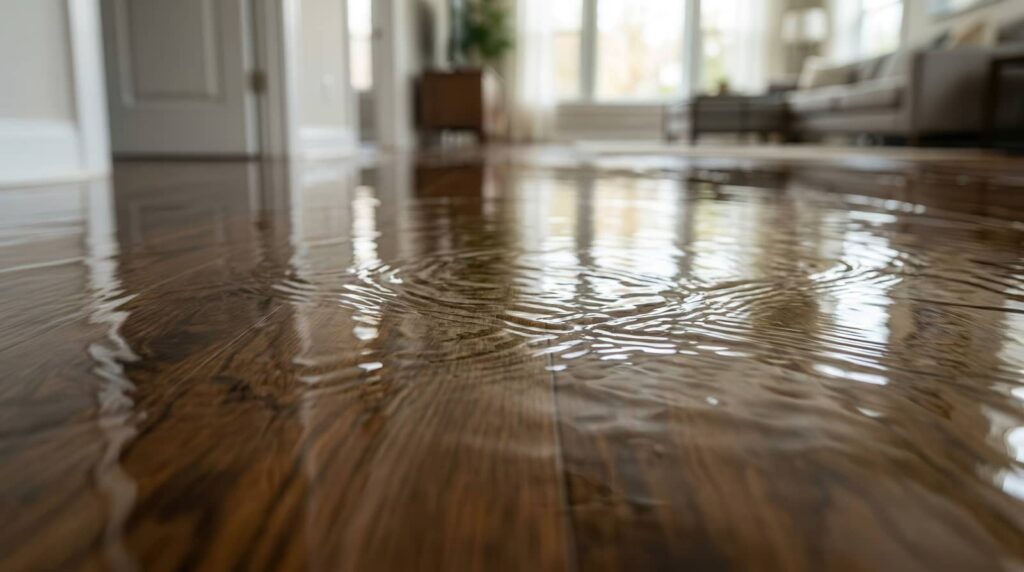
When your basement starts to smell like a storm drain after a heavy rain, you’ve already crossed into a problem that can escalate fast. when to call a sewage cleanup company becomes clear if you see sewer backups, toilet overflows, slow drains, gurgling fixtures, or rising wastewater. In these situations, you need emergency sewage cleanup right away. Contaminated water spreads pathogens and can damage surfaces within hours. The real question is how to tell a minor blockage from a hidden system failure.
Key Takeaways
- Call a sewage cleanup company immediately after any sewer backup, toilet overflow, or wastewater rise in tubs, showers, or floor drains.
- Seek emergency help if multiple drains clog at once, toilets gurgle, or you notice persistent sewage odors.
- Contaminated water requires professional cleanup because it can contain sewage, bacteria, viruses, and hazardous debris.
- Quick response limits damage to flooring, drywall, insulation, and other porous materials that absorb contamination.
- Trained crews use containment, extraction, disinfection, and drying to protect your health and fully restore the area.
When to Call a Sewage Cleanup Company
You should call a sewage cleanup company immediately when you have a sewer backup, toilet overflow, contaminated water, or persistent sewage odors. Knowing when to call sewage cleanup company professionals helps you protect your property, your health, and your household.
You shouldn’t wait for the problem to spread, because sewage contains pathogens and can damage flooring, drywall, and insulation fast. A trained crew uses containment, extraction, disinfection, and drying methods that reduce exposure and restore safe conditions.
If water touches porous materials or enters living spaces, you need licensed help right away. When you act quickly, you join other homeowners who treat sanitation issues as emergencies, not inconveniences.
Prompt response limits secondary damage and supports a thorough cleanup that meets industry standards.
Warning Signs of a Sewer Backup
A sewer backup often announces itself through slow drains, gurgling toilets, multiple fixtures clogging at once, or wastewater rising in tubs, showers, and floor drains.
You may also notice persistent sewage odor, unexplained wet patches near plumbing, or backflow after heavy water use. These symptoms point to a blocked main line or failing sewer connection, and they can escalate quickly.
If you see dark, foul water, treat it as contaminated and keep out of affected areas. Don’t keep flushing or running fixtures; that can force more wastewater into your home.
When these warning signs appear, your household deserves prompt, expert help. A sewage cleanup company can assess the line, contain the hazard, and protect your space from further damage and exposure.
What to Do After a Toilet Overflow
When a toilet overflows, stop the water at the shutoff valve immediately and avoid flushing again.
Next, keep everyone out of the area so you can control the scene without spreading residue.
Put on gloves, boots, and eye protection before you touch anything.
If water reached flooring, baseboards, or nearby belongings, remove dry items first and place them in a clean, separate space.
Open windows and run fans to improve air movement, but don’t use a central HVAC system if it may circulate moisture.
Photograph visible damage for your records, then wipe hard, washable surfaces with detergent and warm water.
If the overflow recurs, the toilet won’t drain, or you can’t confirm the source, call a sewage cleanup company right away for coordinated help and peace of mind.
Why Contaminated Water Needs Cleanup
Contaminated water needs professional cleanup because it can carry sewage, bacteria, viruses, and other hazardous debris that standard household cleaning can’t fully remove.
When it enters your home, it can soak into porous materials, spread microbes across surfaces, and compromise indoor air quality.
You need trained technicians because they follow controlled removal, disinfection, and drying procedures that reduce health risks and limit structural damage.
They also use protective equipment and containment methods that help keep your household safer during cleanup.
If you handle contaminated water yourself, you can miss hidden residue and leave behind unsafe conditions.
How Sewage Odors Signal Hidden Damage
If you notice a persistent sewage odor, it often means waste gas or contaminated moisture has entered hidden spaces such as wall cavities, subfloors, crawl spaces, or drains.
You can’t ignore that smell, because it often points to trapped wastewater, failed seals, or microbial growth behind finished surfaces.
When you detect it, inspect for damp baseboards, discolored drywall, loose flooring, or slow drains.
These signs show the system may still be leaking. Odor alone doesn’t confirm the full extent, but it tells you damage is active and spreading.
You’ll protect your home and your crew by calling sewage cleanup professionals fast.
They can locate hidden contamination, remove affected materials, and restore safe conditions before the problem deepens.
Frequently Asked Questions
How Quickly Can a Sewage Cleanup Company Respond in an Emergency?
You can usually expect a sewage cleanup company to respond within one to four hours in an emergency, and sometimes sooner. You’ll get faster help if you call immediately and describe the backup, overflow, or contamination clearly.
Does Homeowners Insurance Cover Sewage Backup Cleanup Costs?
Usually, yes—if your policy includes sewer backup coverage, you’re protected. You should check your declarations page, because standard homeowners insurance often excludes it. If sewage damages you, call your insurer and cleanup professionals immediately.
Can Sewage Damage Spread to HVAC Systems or Ductwork?
Yes, sewage damage can spread into your HVAC system or ductwork, and you can circulate contaminated air fast. You should shut the system down, isolate affected areas, and call professionals immediately for safe remediation.
How Long Does the Sewage Cleanup and Drying Process Take?
You’ll typically need 3–5 days for cleanup and drying, but severe contamination or hidden moisture can take longer. You should expect technicians to remove waste, disinfect surfaces, and monitor humidity until everything’s safe.
Is It Safe to Stay Home During Sewage Cleanup Work?
No, you shouldn’t stay home during sewage cleanup if contamination is active. You can expose yourself to bacteria, aerosols, and fumes. Leave the area, follow the crew’s instructions, and return only after they’ve cleared it.
Recap
When you notice sewer backups, toilet overflows, or persistent sewage odors, you need to act fast. You protect your home by shutting off water, you protect your family by avoiding contaminated areas, and you protect your property by calling a sewage cleanup company for emergency help. Slow drains, gurgling fixtures, and rising wastewater aren’t minor annoyances; they’re warning signs. Quick professional cleanup limits damage, reduces health risks, and restores your system safely and completely.