
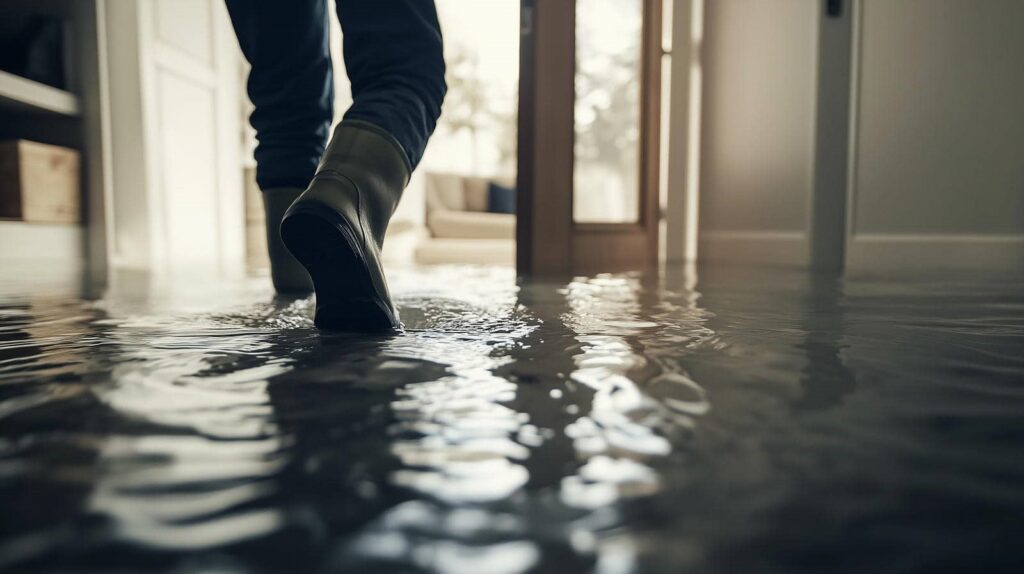
Hidden moisture can keep damaging your home long after the floor looks dry. You may not see it, but water can stay trapped in drywall, insulation, framing, or subfloors, where it weakens materials and supports mold growth. That hidden dampness can also create musty odors and reduce indoor air quality. Knowing where it hides and why surface drying isn’t enough can change how you handle the problem.
Key Takeaways
- Hidden moisture keeps damaging wood, drywall, and adhesives long after surfaces look dry.
- Trapped water creates mold and mildew, leading to musty odors and poor indoor air quality.
- Moisture can warp floors, swell trim, and weaken framing, subfloors, and sheathing over time.
- Water hidden behind walls, under flooring, or in insulation is hard to detect and dry completely.
- Professional drying is often needed because surface drying cannot remove moisture trapped in concealed materials.
Why Hidden Moisture Makes Damage Worse
When water gets trapped behind walls, under flooring, or inside insulation, it can keep damaging materials long after the surface looks dry.
Hidden moisture after water damage raises the risk of mold growth, warping, and weakened adhesives because damp materials stay unstable. You may think the area has recovered, but trapped water keeps feeding chemical breakdown in wood, drywall, and finishes.
That’s why you need thorough drying, not just surface cleanup. Air movement, dehumidification, and targeted heat help remove moisture from cavities and reduce the chance of lasting structural issues.
If you act quickly, you protect your space, your comfort, and the people who share it with you. Professional drying gives you a stronger path back to a safe, stable home.
Signs Hidden Moisture Is Still There
You can still spot hidden moisture through visible warning signs like warped surfaces, peeling finishes, or persistent odors.
You should also check for hidden damp spots in baseboards, wall cavities, and flooring, since moisture often remains where it isn’t obvious.
If you catch these signs early, you can reduce the risk of mold growth and structural damage and get proper drying started sooner.
Visible Warning Signs
How can you tell if moisture is still hiding after water damage? You can spot visible warning signs that show the drying process isn’t complete.
Watch for warped baseboards, peeling paint, bubbling drywall, and swollen trim. You may also notice discoloration, rust on fasteners, or a slight sheen where materials stay damp.
Floors can cup, crack, or feel uneven underfoot, and doors or windows might stick because framing has shifted.
These signs matter because trapped moisture can keep damaging materials and create conditions where mold grows. If you see them, stay alert and act quickly.
You’re not alone in this; careful inspection and prompt professional drying help protect your home, preserve its structure, and give you confidence that the space is truly safe again.
Hidden Damp Spots
Even after surfaces look dry, hidden damp spots can linger in wall cavities, under flooring, behind trim, and inside insulation.
You might notice a cool, soft, or slightly warped area that doesn’t match the rest of the room. Paint may bubble, baseboards may separate, and drywall can feel swollen.
You may also catch a musty odor that returns after cleaning, or see condensation on nearby windows and pipes. These signs tell you moisture’s still trapped.
Don’t ignore them; hidden water can support mold growth, weaken materials, and extend drying time.
If you belong to a group recovering from water damage, trust a professional assessment so you can protect your space, confirm dryness, and move forward with confidence.
How Water Gets Trapped After a Leak
After a leak, water often slips into places that look dry on the surface but stay wet inside walls, under flooring, behind cabinets, and in insulation. You can’t always see the path, because gravity, framing, and tight seams slow drainage and trap moisture.
Porous materials absorb water fast.
Gaps around pipes let runoff collect.
Vapor barriers can hold moisture in place.
Temperature changes create condensation cycles.
Small leaks can keep feeding damp layers.
When you understand this, you can act sooner and protect your space. Trapped moisture doesn’t need a big flood to become a problem; it only needs time.
Where Hidden Moisture Usually Hides
You’ll often find hidden moisture behind walls, under flooring, and inside insulation, where it can linger after visible surfaces seem dry.
These concealed areas trap water because airflow is limited and materials absorb moisture at different rates.
If you identify these zones early, you can dry them thoroughly and reduce the risk of mold, odors, and structural damage.
Behind Walls
Behind walls, hidden moisture often lingers long after surface water is gone, soaking insulation, framing, and drywall where it’s hard to see. You may notice a musty smell, paint bubbling, or slight wall discoloration before damage becomes obvious.
Moisture can travel along studs and electrical openings.
Trapped humidity supports mold growth in enclosed cavities.
Damp materials lose strength and can warp over time.
Thermal insulation works less effectively when wet.
Professional meters reveal hidden dampness fast.
When you act quickly, you protect your space and your people. A trained drying team can open access points, verify moisture levels, and restore safe conditions before problems spread.
This approach helps you feel confident, informed, and supported through the repair process.
Under Flooring
Moisture doesn’t stop at walls; it often moves under flooring, where it can soak padding, subflooring, and underlayment without obvious signs.
You may still see a dry surface while trapped water keeps feeding swelling, cupping, and adhesive failure below. If you act quickly, you reduce the chance of mold growth and lingering odors that can spread through your space.
A professional inspection uses moisture meters and thermal imaging to find wet pockets before they compromise structural layers.
You’re not alone in this process; experienced drying teams can lift materials, extract moisture, and restore stable conditions efficiently.
When you address hidden dampness under floors early, you protect your home’s integrity, keep repairs smaller, and get back to a clean, comfortable environment sooner.
Inside Insulation
Inside insulation, water can linger long after surfaces look dry, soaking fiberglass, cellulose, or spray foam and creating concealed pockets that slow evaporation.
You may not see the damage, but trapped moisture can drive mold growth, degrade R-value, and spread odors into the rooms you live in.
- Check wall cavities with moisture meters.
- Remove saturated sections before they compress.
- Use targeted air movement and dehumidification.
- Inspect vapor barriers and seams.
- Confirm dryness before closing walls.
When you act quickly, you protect your home’s structure and your household’s air quality.
A trained drying team can map moisture, isolate affected bays, and help you get back to normal with confidence.
Why Hidden Moisture Leads to Mold
When water seeps into wall cavities, flooring, or insulation, it can stay trapped long enough to create the damp, stagnant conditions mold needs to grow.
You may not see the moisture, but it can keep feeding spores on drywall, wood, and dust. Once humidity stays elevated, mold can colonize in as little as 24 to 48 hours. Its roots, called hyphae, spread into porous materials and weaken them over time.
You’re not alone in facing this risk; many homes need thorough drying after leaks or flooding.
Prompt extraction, targeted airflow, and dehumidification reduce the moisture mold depends on. When you address hidden water quickly, you lower the chance of contamination and protect your indoor environment with confidence.
How Wet Materials Start to Smell Musty
Even after the visible water dries, trapped dampness can leave carpets, drywall, wood, and insulation smelling musty as bacteria and mildew break down organic material and release odor-causing compounds.
You may notice the scent first in closed rooms, closets, or HVAC returns, where airflow is limited and moisture lingers. Warm temperatures and poor ventilation speed this process, so odors strengthen even when surfaces look dry.
- Damp fibers hold odor molecules
- Dust feeds microbial activity
- Porous materials absorb contaminants
- Stagnant air traps smells indoors
- Early drying helps control odor
You’re not imagining it; that stale scent signals lingering moisture.
When you act quickly with targeted drying, you can restore a cleaner indoor environment and help your space feel comfortable again for everyone in it.
Structural Damage Hidden Moisture Causes
That same hidden dampness that causes musty odors can also weaken building materials from the inside out. You may not see the damage at first, but moisture can soften drywall, swell wood, and reduce the strength of framing, subfloors, and sheathing.
Over time, fasteners loosen, joints open, and surfaces begin to shift or sag. If you live in the space, you want your home to stay solid and dependable, and hidden water makes that harder.
In some areas, repeated wetting can even promote rot, corrosion, and delamination. You’re not overreacting when you take this seriously; you’re protecting the structure that supports your family’s comfort and safety.
A prompt, thorough response helps limit further deterioration and keeps repairs more manageable.
Why Drying Surfaces Isn’t Enough for Hidden Moisture
Drying visible surfaces alone won’t stop hidden moisture from causing problems, because water often remains trapped inside wall cavities, under flooring, and in insulation long after the surface feels dry. You need more than touch-dry finishes to protect your space and everyone in it.
Moisture can linger where airflow barely reaches.
Wood, drywall, and padding absorb water differently.
Trapped dampness can support microbial growth.
Odors often start before you see visible staining.
Small wet zones can spread into larger damage.
You belong in a dry, stable home, and precise drying helps you keep it that way. By checking concealed materials, you reduce the chance of lingering dampness, uneven swelling, and future indoor air issues.
That careful approach gives you confidence, not guesswork, after water damage.
When to Call a Water Damage Pro
When hidden moisture lingers after water damage, calling a water damage pro can save you from bigger problems later.
You should reach out if walls, floors, or insulation still feel damp, if musty odors persist, or if you see swelling, staining, or peeling paint.
Pros use moisture meters, thermal imaging, and controlled drying to find water you can’t see and stop mold before it starts.
If the leak involved sewage, contaminated water, or a large area, don’t wait. You’ll get safer cleanup, faster drying, and a clearer path back to normal.
Working with a trained team also helps you feel supported while your home gets restored with care, precision, and the right equipment for the job.
Frequently Asked Questions
How Long Can Hidden Moisture Remain After Cleanup?
Hidden moisture can linger for days to weeks after cleanup, especially behind walls or under floors. You should test thoroughly, because trapped dampness keeps feeding mold, odors, and damage until you dry it professionally.
Can Hidden Moisture Return After Repairs Are Finished?
Yes—you can see moisture return, like a tide slipping back under a repaired pier. You’ll reduce that risk with thorough drying, sealing, and monitoring; otherwise, trapped dampness can resurface, causing odor or mold.
Does Hidden Moisture Affect Indoor Air Quality?
Yes—hidden moisture can worsen your indoor air quality by feeding mold, bacteria, and musty odors. You may breathe in more irritants, so you’ll want professional drying and verification to protect your home’s comfort and safety.
Is Hidden Moisture Dangerous Even Without Visible Stains?
Yes, hidden moisture can be dangerous even without visible stains. You can still get mold, odors, and structural damage, so you should inspect, dry, and monitor affected areas promptly to protect your home and health.
What Equipment Detects Moisture Behind Walls?
You can detect moisture behind walls with moisture meters, thermal imaging cameras, and infrared scanners. You’ll spot damp areas accurately, get reassurance quickly, and know whether hidden water needs professional drying before damage spreads.
Summary
You can’t assume a surface feels dry means the damage is gone. Hidden moisture can stay trapped like water in a sealed sponge, quietly feeding mold, odor, and structural decay. If you notice swelling, stains, or persistent mustiness, act fast. Use professional drying and moisture testing to verify every cavity is dry. That’s how you protect your home, reduce health risks, and stop a small leak from becoming a costly, ongoing problem.