
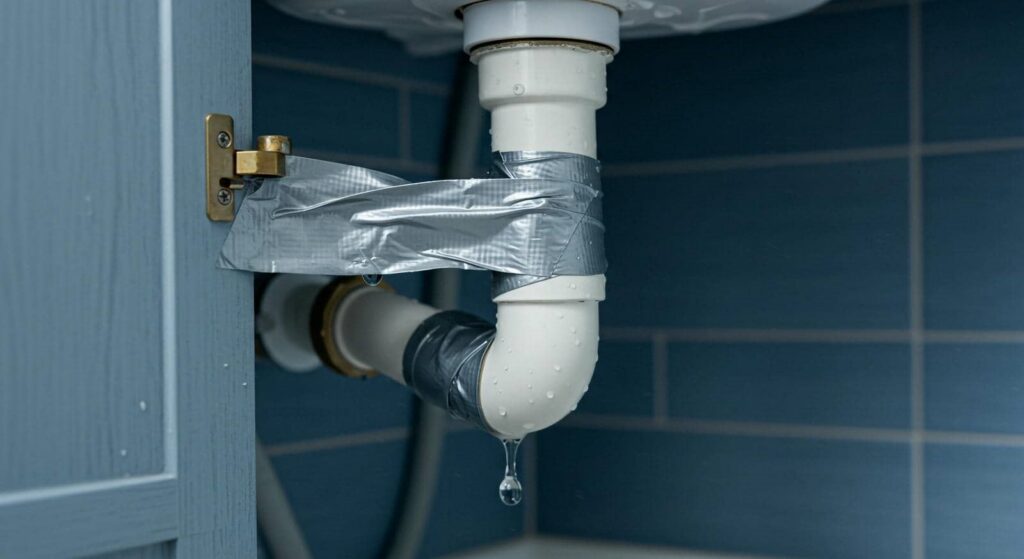
You may not realize how quickly water starts wicking into drywall, trim, and subfloors after a burst pipe. Water damage cleanup after a burst pipe begins with shutting off the main supply, cutting power to affected areas, and removing wet items before hidden moisture turns into mold or structural damage. The real challenge is finding what you can’t see, and that’s where the cleanup process starts to get more technical.
Key Takeaways
- Shut off the main water supply and cut power to affected areas if safe to stop further damage.
- Remove standing water quickly and use fans and dehumidifiers to dry surfaces and control humidity.
- Move wet belongings out, save dry items first, and document all damage with photos for insurance.
- Call professionals for multi-room, hidden, contaminated, or electrical water damage requiring specialized equipment.
- Prevent future burst pipes by insulating plumbing, maintaining pressure, and preparing for cold weather.
What to Do First After a Burst Pipe
If a pipe bursts, you need to act fast: shut off the main water supply, cut power to affected areas if it’s safe to do so, and move people and valuables away from the water.
Then you can assess the spread, note which rooms are wet, and open doors or windows to improve airflow.
You’ll help your crew by taking photos for insurance and by removing small, dry items from the floor.
Don’t lift soaked carpet or poke at damaged drywall; those materials can hide moisture and unstable debris.
For water damage cleanup after a burst pipe, your first job is control and documentation.
Stay calm, keep the area clear, and work with your household so everyone knows the plan.
Quick, organized action protects your home and helps recovery start smoothly.
Stop the Water and Cut the Power
First, shut off the main water supply to stop more water from entering the damaged line and limit further flooding. If you don’t know where the valve is, check the meter area, basement, or utility closet, and turn it clockwise until it stops.
Next, cut power to the affected area at the breaker panel, especially if water has reached outlets, appliances, or cords. Never touch electrical equipment with wet hands or while standing in water. If you can’t reach the panel safely, wait for a licensed professional.
You’re protecting your home and everyone in it by isolating these hazards early. Our team mindset starts here: control the source, remove electrical risk, and keep the space safer for cleanup. This step supports the rest of recovery and helps you work with confidence.
Why Fast Cleanup Prevents Bigger Damage
Fast cleanup stops water from spreading into adjacent rooms, wall cavities, and subfloors, which limits the total area affected.
When you extract moisture quickly and dry materials fast, you also reduce the conditions that mold needs to grow.
Acting right away helps you protect the structure and keeps repairs more contained.
Stops Water Spread
Stopping the spread of water right away can dramatically reduce the damage a burst pipe causes. You need to shut off the supply, isolate the affected area, and remove standing water before it migrates under baseboards, into subfloors, or through wall cavities.
Every minute counts because water follows gravity and capillary paths, so a small leak can quickly become a whole-room problem. Use towels, wet vacuums, and barriers to contain the flow, and lift nearby rugs or furniture to prevent wicking.
When you act fast, you protect structural materials and make cleanup more manageable for everyone involved. You’re not handling this alone; a coordinated response gives your home the best chance to stay stable, dry, and ready for the next step.
Reduces Mold Growth
Once you’ve stopped the water from spreading, the next priority is limiting the conditions that let mold take hold. You need to dry soaked materials within 24 to 48 hours, because lingering moisture gives spores the humidity and nutrients they need to grow.
Open windows if weather allows, run fans and dehumidifiers, and remove wet drywall, carpet padding, or insulation that can’t dry quickly. Check hidden spaces like wall cavities and under baseboards, where dampness often lingers.
If you act fast, you protect your home’s structure and your household’s air quality. You also help your cleanup team work efficiently, so everyone can restore the space with confidence.
Quick drying doesn’t just prevent stains; it helps your place stay safe, healthy, and welcoming for everyone.
Dry Out Floors, Walls, and Baseboards
Use high-powered fans, dehumidifiers, and careful ventilation to dry out floors, walls, and baseboards as quickly as possible after a burst pipe.
You should aim airflow across wet surfaces, not just into the room, so moisture leaves porous materials instead of lingering inside them. Lift baseboards slightly if needed, and check for trapped water behind them and under flooring edges.
Keep humidity low and monitor moisture readings daily with a meter so you can confirm progress instead of guessing.
If you’ve got drywall or wood trim, watch for swelling, soft spots, or discoloration, which can signal deeper saturation.
Acting fast helps your home dry evenly, reduces structural damage, and gives you confidence that the space is recovering the right way together.
Remove Wet Belongings Before Mold Starts
You’ll need to remove wet belongings immediately and separate them from dry items to limit moisture transfer and mold growth.
Salvage dry items first, then inspect damp materials so you can dry or discard them based on how much water they absorbed.
Salvage Dry Items Quickly
As soon as the water source is controlled, remove dry and lightly affected belongings from the area so they don’t absorb hidden moisture and fuel mold growth.
You’ll protect papers, textiles, electronics, and decor by moving them to a clean, ventilated space with stable temperature and low humidity.
Handle each item gently, and keep surfaces from touching damp floors, baseboards, or saturated furniture.
If an object feels cool, clammy, or warped, treat it as at risk and get it out fast.
Use gloves for safety, and don’t stack items tightly; airflow helps stop condensation inside containers and drawers.
When you act quickly, you give your home a better chance to recover and you’re part of the group that knows speed reduces long-term damage.
Separate Wet From Dry
Move wet items out of the affected area right away so moisture doesn’t spread and mold can take hold.
Sort belongings into wet, damp, and dry groups, then place each category on separate clean surfaces. You should bag saturated textiles and remove them from wood floors, drywall, and carpets to limit wicking.
Keep dry items elevated and spaced apart so air can circulate around them. Label salvageable pieces and photograph damage for insurance and restoration records.
If you’ve got family members helping, assign one person to move items, another to dry them, and a third to check hidden pockets of moisture. This simple separation gives your cleanup team a clearer path, protects your home’s materials, and helps everyone work together with confidence.
When Water Damage Cleanup Needs Pros
When a burst pipe soaks multiple rooms, reaches hidden cavities, or leaves standing water for more than a few hours, professional water damage cleanup is often the safest choice.
You’ll want trained crews when the water has spread under flooring, behind drywall, or into insulation, because fast extraction and controlled drying help limit structural damage and mold growth.
If the pipe burst involved contaminated water, electrical hazards, or warped materials, you shouldn’t rely on spot cleanup alone.
Pros bring commercial extractors, air movers, dehumidifiers, and moisture meters to stabilize the area efficiently. They also help you document losses for insurance, which can reduce stress.
You’re not overreacting by calling for help; you’re protecting your home, your time, and the people who live there.
How Pros Find Hidden Moisture
Once the standing water is removed, pros still check for moisture that’s trapped where you can’t see it. They use moisture meters to compare readings in drywall, baseboards, subfloors, and framing, then map wet areas so you know exactly what needs drying.
Infrared cameras help spot cooler zones that often signal hidden water behind walls or under flooring. In tight spaces, they may drill small inspection points to verify conditions without causing unnecessary damage.
You’ll usually hear equipment placed to move air across affected materials while dehumidifiers pull humidity from the room. This careful testing helps you avoid lingering dampness, which can lead to warped materials or musty odors.
When your cleanup team shares the readings, you stay informed and confident about the next steps.
Prevent Future Burst Pipe Water Damage
To reduce the chance of another burst pipe, you should keep plumbing, insulation, and water pressure in good condition year-round.
Inspect exposed pipes for corrosion, leaks, and loose joints, and insulate lines in attics, crawlspaces, and exterior walls before freezing weather hits.
Keep indoor temperatures steady, especially when you’re away, and let faucets drip during extreme cold so pressure won’t spike.
You should also test your pressure regulator; if readings stay above 80 psi, have a plumber adjust it.
Drain exterior hoses, shut off outdoor spigots, and seal drafts that let cold air reach pipes.
After any repair, schedule a professional inspection so your home stays protected and your household feels confident, prepared, and part of a safer routine.
Frequently Asked Questions
How Long Does Burst Pipe Water Damage Cleanup Usually Take?
Usually, you’ll need 1-5 days for cleanup, but drying and repairs can take longer. You should act fast, since you can limit damage, speed drying, and protect your floors, walls, and belongings.
Can Insurance Cover Burst Pipe Cleanup and Repairs?
Yes, you can often get coverage for burst pipe cleanup and repairs if your policy includes sudden water damage. You’ll need to document losses, act quickly, and coordinate with your insurer and restoration team.
What Signs Show Hidden Water Damage After Cleanup?
You’ll spot hidden water damage by warped floors, musty odors, peeling paint, and recurring stains. Like my neighbor’s ceiling, trapped moisture can linger; check with meters, because damp insulation and drywall often hide behind clean surfaces.
Should I Replace Drywall After a Burst Pipe Leak?
Yes, you should replace drywall if it’s soaked, swollen, crumbling, or moldy. You can dry minor exposure fast, but you’ll protect your home best by cutting out damaged sections and inspecting framing.
How Do I Know if My Flooring Can Be Saved?
You can tell by checking for warping, cupping, soft spots, staining, and mold; if you catch damage early, your floor may still sail through. A pro can test moisture and advise drying or replacement.
Wrap-Up
After a burst pipe, your quick response can make all the difference. By shutting off the water, cutting power, and starting cleanup right away, you help keep a bad situation from becoming a bigger setback. Drying surfaces, removing soaked items, and watching for hidden moisture can protect your home from further trouble. When the damage feels beyond reach, trusted professionals can step in and help you regain control with confidence.