
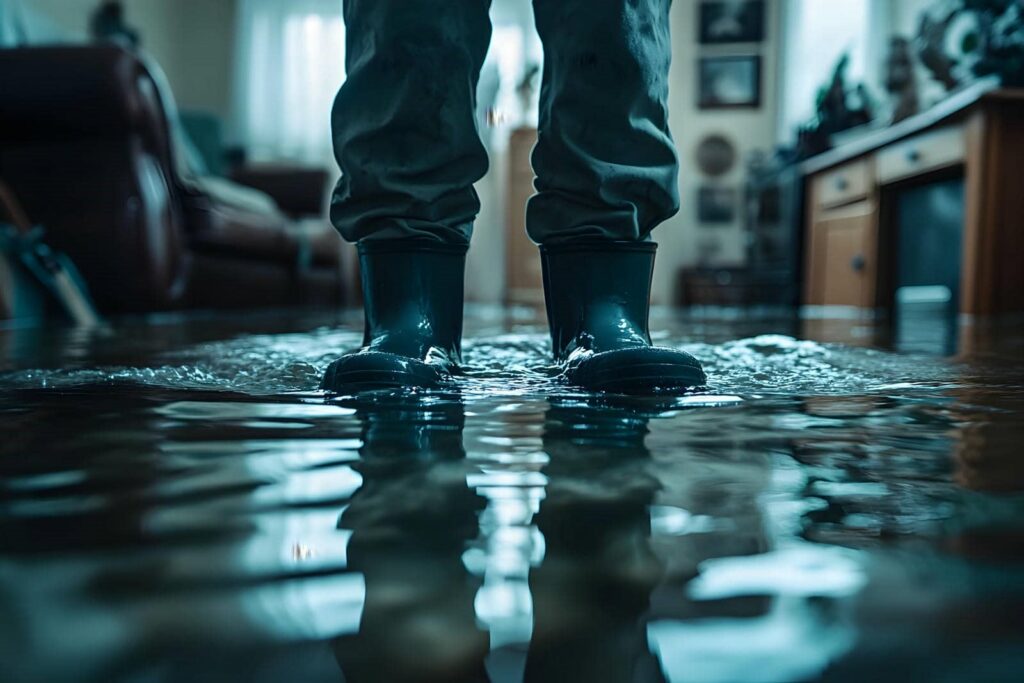
You probably don’t realize that water can keep damaging your property long after the visible puddles are gone. When you act fast, you limit structural decay, mold growth, and hidden moisture in walls, floors, and insulation. You’ll need to assess the source, stop the intrusion, and start drying within hours, not days. The process is more technical than it looks, and the hardest part often begins after the surface seems dry.
Key Takeaways
- Water damage restoration removes water, dries hidden moisture, cleans affected areas, and repairs damaged materials.
- In the first 24 hours, stop the source, shut off electricity if needed, remove standing water, and increase ventilation.
- Professionals inspect damage, extract water, use dehumidifiers and air movers, then sanitize and verify moisture levels.
- Hidden moisture, swelling materials, odors, and microbial growth can complicate restoration and require targeted drying.
- Prevent future damage with regular roof, gutter, plumbing, and sump pump maintenance, plus humidity control and quick response.
What Water Damage Restoration Is
Water damage restoration is the process of removing water, drying affected materials, cleaning and sanitizing the area, and repairing damage to return your property to a safe, usable condition.
When you understand water damage restoration, you can see it as a controlled sequence of assessment, extraction, moisture removal, decontamination, and reconstruction.
You’re not just fixing visible stains; you’re addressing hidden moisture in walls, floors, and structural components to limit further deterioration.
Technicians use meters, air movers, dehumidifiers, and disinfectants to stabilize your space and support a healthy indoor environment.
This process helps you protect your home, preserve materials, and regain confidence after a disruptive event.
You’re part of a community that values fast, precise recovery.
What to Do in the First 24 Hours
During the first 24 hours, you should act quickly to limit structural damage, mold growth, and secondary contamination. Start by stopping the water source if you can do it safely, then shut off electricity in affected areas. Move people and pets out of wet spaces, and protect documents, electronics, and valuables from further exposure.
-
Remove standing water with towels, mops, or a wet vacuum.
-
Open windows, run fans, and increase ventilation to reduce humidity.
-
Photograph damage and contact your insurer and a qualified restoration team.
Keep a close eye on hidden moisture behind baseboards, under flooring, and inside cabinets. You’re not handling this alone—quick, organized action helps your property recover faster and supports your next steps.
How Water Damage Restoration Works
Once you’ve stabilized the space and called for help, the restoration process follows a clear sequence designed to dry, clean, and rebuild your property safely.
First, your team inspects the damage, maps moisture, and identifies affected materials so they can plan the right response.
Next, they extract standing water with specialized pumps and vacuums, then set air movers and dehumidifiers to reduce hidden moisture in walls, floors, and framing.
They clean and sanitize surfaces to limit contamination and protect indoor air quality.
After drying, they verify moisture levels with meters, remove materials that can’t be restored, and repair structural or cosmetic damage.
Throughout the process, you stay informed, supported, and part of a team focused on returning your home to a healthy, livable condition.
Common Restoration Challenges
Even with a well-run restoration plan, you may still face challenges such as hidden moisture behind walls, warped flooring, contamination from contaminated water, and delays caused by damaged materials that need removal. You’re not alone; these issues are common, and trained crews handle them methodically.
-
Moisture mapping can miss pockets in insulation, subfloors, and framing.
-
Structural materials may swell, separate, or lose strength, slowing demolition and drying.
-
Odors and microbial growth can linger if affected areas aren’t isolated quickly.
You’ll get better results when technicians use meters, thermal imaging, containment, and targeted drying. They’ll document progress, verify moisture levels, and coordinate repairs so your space returns to safe, stable condition with less stress and fewer surprises.
How to Prevent Future Water Damage
To reduce the risk of future water damage, you should focus on routine maintenance and fast response to small issues before they turn into larger losses.
Inspect roofs, gutters, seals, and plumbing lines on a regular schedule, and replace worn caulk, cracked hoses, and corroded fittings promptly.
Test sump pumps, alarms, and shutoff valves so you know they’ll work when needed.
Keep indoor humidity controlled with proper ventilation and dehumidifiers, especially in basements and bathrooms.
Grade soil away from the foundation and clear drains to move water away from your property.
After storms or leaks, document moisture, dry affected areas quickly, and call a certified restoration team if damage spreads.
Staying proactive helps protect your home and gives you confidence.
Frequently Asked Questions
Does Homeowners Insurance Cover Water Damage Restoration Costs?
Usually, your homeowners insurance covers sudden, accidental water damage, but not gradual leaks or floods. You’ll need to review your policy, document losses, and call your insurer quickly to confirm coverage and next steps.
How Long Does Water Damage Restoration Usually Take?
It usually takes you 3-7 days for minor water damage, but severe cases can take weeks. You’ll dry materials, remove debris, and monitor moisture closely, so your team can restore your property safely and efficiently.
Can I Stay in My Home During the Restoration Process?
You can sometimes stay, but it depends on damage severity and safety. Professionals often isolate affected areas, dry structures, and remove contaminants. If mold, sewage, or electrical risks exist, you’ll need temporary relocation for protection.
What Types of Water Damage Require Mold Remediation?
You’ll need mold remediation after Category 2 or 3 water damage, sewage backups, floodwater, or any leak left wet over 24–48 hours. You should act fast, because spores spread quickly and threaten your home’s safety.
How Do Professionals Determine if Materials Need Replacement?
You’ll know materials need replacement when pros measure saturation, check structural integrity, test moisture, and inspect contamination. They’ll compare readings to drying goals; if damage persists, they’ll say, “A stitch in time saves nine.”
Conclusion
You can’t always prevent a water event, but you can keep its footprint small. If you act quickly, document the affected areas, and bring in qualified restoration help, you give your property the best chance to recover cleanly. Drying, monitoring hidden moisture, and addressing the source early all reduce the likelihood of lingering issues. With a careful plan and steady follow-through, you’ll restore your space, protect your investment, and move forward with confidence.