
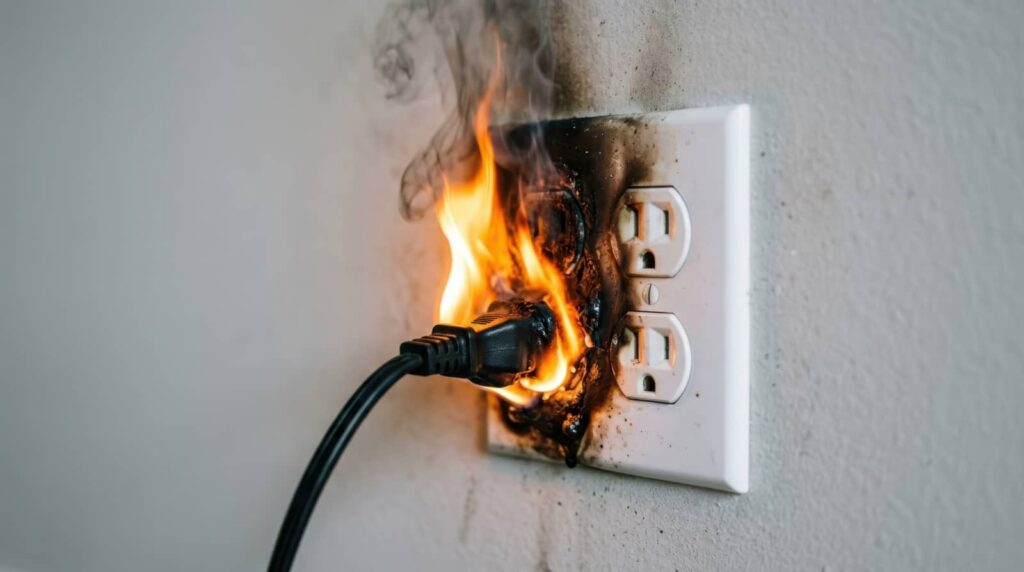
After a fire, you may think the danger ends when the flames do, but smoke damage can keep changing the air you breathe. Fine soot particles and volatile compounds can settle into walls, fabrics, and ductwork, then re-enter your indoor air for days or weeks. If you’ve noticed lingering odors, irritation, or poor ventilation, the real problem may be more persistent than it first appears.
Key Takeaways
- Smoke introduces fine soot, odor compounds, and combustion byproducts that irritate eyes, nose, throat, and lungs.
- Soot can stay airborne or settle into carpets, upholstery, and dust, then recirculate when disturbed.
- Smoke odors cling to porous materials and HVAC components, causing persistent indoor contamination.
- Running HVAC systems after a fire can spread soot and odors unless filters, ducts, and vents are cleaned.
- Use HEPA vacuuming, detergent wiping, and laundering; seek professionals if soot, odors, or breathing irritation persist.
How Smoke Damage Affects the Air You Breathe
Smoke damage can quickly change the air in your home by releasing fine soot particles, volatile odor compounds, and other combustion byproducts into the indoor environment.
You inhale these contaminants as they suspend in air and deposit on surfaces, creating smoke damage air quality concerns that affect comfort and health.
Particulate matter can irritate your eyes, nose, throat, and lungs, while odor compounds may trigger headaches or nausea.
If you share your space with children, older adults, or anyone with asthma, you may notice stronger reactions because their airways are more sensitive.
You can reduce exposure by improving ventilation, filtering airborne particles, and limiting time in affected rooms until measurements show cleaner indoor air.
Why Soot Keeps Recirculating Indoors
Even after visible smoke clears, soot can keep recirculating indoors because the smallest particles stay suspended in air, settle into porous materials, and get stirred up again by normal movement.
You may think surfaces look clean, yet microscopic carbon-rich fragments can remain in carpet, upholstery, drywall, and dust. Each step, door opening, or fan cycle can resuspend them into breathing zones.
Your HVAC system can also redistribute these particles if filters miss fine soot or ductwork still holds residue. Because soot often carries irregular shapes and sticky surfaces, it clings, then releases later under vibration or airflow.
You’re not dealing with a one-time event; you’re managing a dynamic indoor particle cycle. That’s why thorough removal, filtration, and source control matter for your shared indoor space.
How Smoke Odors Linger in Your Home
Although the visible damage may be gone, smoke odors can linger because odor-causing compounds from combustion seep into porous materials, dust, and HVAC components.
You may notice them in drywall, carpets, upholstery, and even paint films, where microscopic residues adsorb and slowly re-emit volatile organic compounds.
Heat can drive these molecules deeper into fibers, and humidity can reactivate them, making the smell stronger on damp days.
You’re not imagining it when a room seems clean yet still smells burned; the chemistry supports that experience.
To reduce the odor, you need thorough source removal, targeted cleaning, and time for off-gassing to decline.
When you address the residue, you help your home feel safer, fresher, and more like yours again, supporting recovery.
How HVAC Systems Spread Smoke Contamination
When you run your HVAC system after a smoke event, it can pull contaminated air into the ductwork and distribute soot and odor compounds throughout your home.
The system’s recirculation cycle can repeatedly move these particles through supply vents, increasing indoor exposure.
Unclean ducts and filters can prolong smoke contamination and make remediation more difficult.
Smoke Through Ductwork
Smoke can move through ductwork fast, and your HVAC system can spread contamination well beyond the original fire area.
When you run the system after a fire, air pressure differences can pull fine soot, ash, and odor compounds into supply and return pathways. Those particles then settle on metal surfaces, filters, and insulation, where they can keep releasing irritants into your indoor air.
You may notice persistent smells, gray dust, or throat and eye irritation even after visible damage is gone. That pattern matters because duct surfaces increase contact area, so residue can accumulate efficiently.
If you’re part of a household or team recovering together, you’ll want to treat the duct network as a shared contamination route, not just hidden infrastructure, and verify its condition before regular use resumes.
Recirculation of Contaminants
Once smoke enters the HVAC loop, your system can keep circulating contaminants long after the fire is out. You may still inhale fine soot, ultrafine particles, and volatile compounds each time the blower runs.
Because ducts, coils, and filters trap residues unevenly, the system can redistribute pollution into bedrooms, kitchens, and shared spaces, affecting everyone in your home.
Even when you can’t see haze, that particle rebound and off-gassing can persist for days or weeks.
To protect your household, you should shut down affected equipment, replace saturated filters, and inspect duct interiors for residue.
A qualified technician can measure airflow, surface contamination, and indoor particle levels, then guide remediation so your space returns to a cleaner, safer baseline for all of you.
Health Risks of Smoke-Contaminated Indoor Air
Even after visible flames are gone, smoke-contaminated indoor air can keep affecting your health through microscopic soot, volatile residues, and persistent odors that you can still inhale.
You may experience airway irritation, coughing, headaches, or worsened asthma because fine particles and combustion byproducts penetrate deep into your lungs. Researchers link repeated exposure to elevated inflammation and reduced respiratory comfort, especially in children, older adults, and people with heart or lung conditions.
If you live or work in the space, you’re part of a shared recovery effort, and your exposure matters. Limiting time indoors, improving filtration, and removing contaminated materials can lower risk.
Evidence shows that faster cleanup and ventilation reduce inhaled dose and support healthier reoccupation after fire events for everyone involved.
Signs Your Home Still Has Smoke Damage
You may still have smoke damage if persistent odors remain after cleaning, since volatile residues can continue to off-gas from porous materials and HVAC components.
Visible soot on walls, vents, or surfaces also indicates that particulate contamination hasn’t been fully removed.
These signs suggest that smoke residues may still affect indoor air quality and need further assessment.
Persistent Smoke Odors
Persistent smoke odors often signal that smoke damage still remains in your home, even after visible stains seem gone.
You may notice the smell returning after cleaning, which suggests smoke particles are still off-gassing from porous materials, fabrics, or hidden cavities.
Inhaling these compounds can irritate your eyes, throat, and lungs, especially if you’re already sensitive.
If you and your household keep smelling smoke in closed rooms, HVAC vents, closets, or soft furnishings, that points to contamination you can’t easily see.
Air fresheners only mask the issue, so trust the pattern, not the scent alone.
A thorough inspection, targeted cleaning, and professional odor removal can help restore healthier indoor air and give your home the fresh, safe environment you deserve.
Visible Soot Residue
Visible soot residue is one of the clearest signs that smoke damage is still present in your home, especially when the odor has faded but contamination remains on surfaces.
You may notice black or gray film on walls, ceilings, vents, and trim, and that film often contains fine carbon particles and toxic combustion byproducts.
If you wipe a surface and the cloth darkens, you’re seeing deposited soot, not just dust. This residue can settle in shared spaces, so your home may still feel unsafe even after cleaning.
Check hidden areas like behind furniture, inside cabinets, and around HVAC registers, where particles collect and recirculate.
If residue keeps returning, your space likely needs professional remediation, because normal cleaning can’t fully remove embedded contamination.
How to Clean Up Smoke Damage Indoors
Start cleanup quickly to limit smoke-related air quality risks indoors, because soot, odors, and fine residue can settle into surfaces and circulate through HVAC systems.
You’ll reduce exposure by opening windows, wearing gloves and an N95, and removing dry debris before it smears.
Vacuum carpets, upholstery, and hard surfaces with a HEPA-filter unit, which traps fine particles more effectively than standard filters.
Wipe walls, trim, and sealed surfaces with a mild detergent solution, changing cloths often so you don’t spread contaminants.
Launder fabrics separately in warm water, and discard heavily charred porous items that hold odor and residue.
Replace HVAC filters, then run the system only after ducts and vents are clean.
These steps help your home feel safer, cleaner, and shared again.
When to Call a Smoke Damage Restoration Pro
When should you bring in a smoke damage restoration pro? You should call one when soot coats surfaces beyond easy wiping, odors persist after ventilation, or HVAC systems may have spread fine particulates.
Evidence shows smoke residues can penetrate porous materials, making DIY cleaning incomplete and increasing recontamination risk. If you notice respiratory irritation, discoloration in vents, or sticky film on walls and electronics, expert assessment helps you act early and protect your household.
A qualified pro can measure contamination, identify hidden deposits, and use specialized filtration and cleaning methods to reduce airborne particles.
You’re not overreacting; you’re making a data-driven choice that helps your home recover and lets your family breathe with confidence again.
Frequently Asked Questions
How Long Does Smoke Residue Stay Airborne After a Fire?
Smoke residue can stay airborne for hours to days, depending on particle size, ventilation, and cleanup. You’ll reduce it faster with filtration, source removal, and thorough cleaning; otherwise, particles keep recirculating indoors.
Can Smoke Damage Affect Furniture and Fabrics Permanently?
Yes—smoke can permanently stain, weaken fibers, and embed odors in furniture and fabrics. You’ll often need deep cleaning or replacement because soot acids and residues keep reacting, even after visible damage seems gone.
Are Air Purifiers Enough to Remove Smoke Particles Indoors?
No, you can’t rely on air purifiers alone. They’ll capture some fine particles, but you’ll still need source removal, ventilation, and HVAC cleaning. Otherwise, you’re just politely recirculating the evidence indoors.
Does Smoke Contamination Spread to Rooms Without Visible Soot?
Yes, you can find smoke contamination in rooms without visible soot, because fine particles and gases travel through air currents, HVAC systems, and porous materials. You’ll still detect odors, residues, and elevated contamination there.
Can Pets Be Affected by Lingering Smoke in the Home?
Yes, your pets can suffer from lingering smoke. Sensitive lungs and skin absorb soot, odors, and residues, causing irritation, coughing, and stress. Prolonged exposure worsens symptoms, so you should ventilate, clean, and monitor them.
Recap
Smoke damage can turn your indoor air into a lingering threat, not a temporary nuisance. You may clear visible soot, yet fine particles and volatile compounds can keep circulating through porous surfaces and HVAC systems like an unseen tide. If you notice persistent odors, residue, or respiratory symptoms, you should act quickly with thorough cleaning, ventilation, and professional remediation. Protect your home’s air quality now, because after a fire, what you can’t see can still affect your health.