
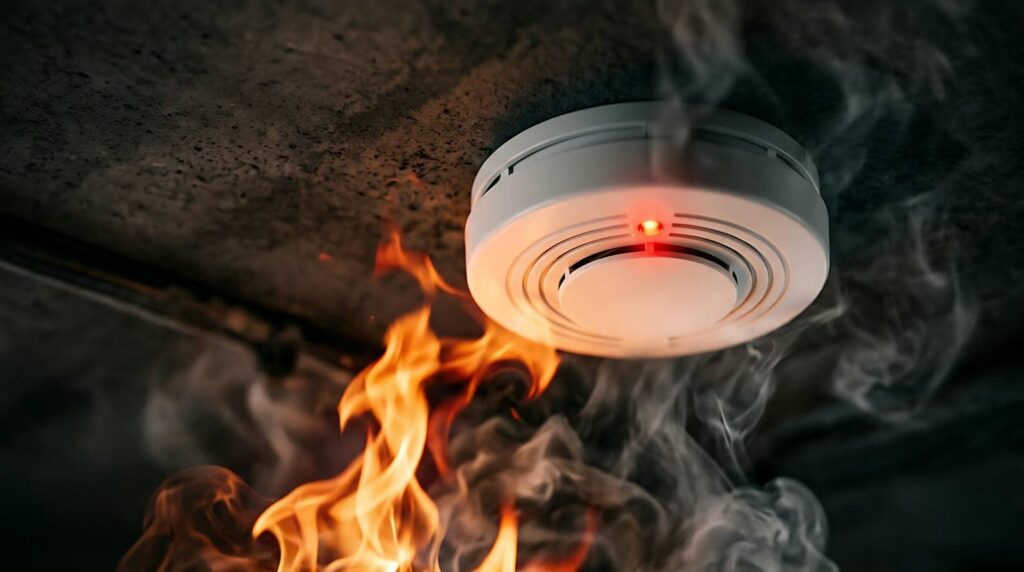
After a kitchen fire, you may clean every visible surface and still notice smoke odor months later because soot particles bind to drywall, subfloors, insulation, and HVAC ducts. You need more than surface washing to stop the odor cycle. The key is finding where contamination settled, how it migrated, and which materials can be treated versus sealed or replaced. The answer isn’t obvious, and the difference matters.
Key Takeaways
- Smoke odor lingers because soot penetrates porous materials like drywall, carpet, insulation, and wood.
- HVAC systems can spread smoke particles and reintroduce odors through ducts, vents, and filters.
- Effective removal starts with cleaning and removing contaminated materials, not just masking the smell.
- Professional treatment may include HEPA cleaning, thermal fogging, hydroxyl or ozone methods, and duct cleaning.
- Prevent odor return by sealing hidden residues, replacing filters, controlling humidity, and verifying clean airflow.
Why Smoke Odor Lingers After Fire Damage?
Smoke odor lingers after fire damage because soot and smoke particles penetrate porous materials and settle deep into walls, flooring, furnishings, and other contents, where normal cleaning can’t fully reach them.
You’re dealing with microscopic residues that bond to surfaces and keep releasing odor molecules long after flames are out.
Heat can also drive contaminants into cracks and voids, making the smell feel embedded in your space.
That’s why smoke odor removal after fire damage requires more than surface wiping; you need targeted cleaning, deodorization, and source control.
When you address contamination at its origin, you reclaim a healthier indoor environment and help your home feel like yours again.
Without proper treatment, the odor can persist, spread, and undermine your comfort and confidence.
Where Smoke Odor Hides in Walls and Floors
Odor doesn’t stay on the surface after fire damage; it works its way into the structure of your home. You’ll find smoke residue in drywall pores, paint layers, trim joints, and baseboards where heat drives particles deep.
In walls, insulation, studs, and framing cavities trap acidic soot that keeps releasing smell when humidity rises. Floors also absorb odor through carpet pad, subfloor seams, hardwood grain, and laminate underlayment.
If water was used during suppression, moisture can push contaminants farther into these materials. You need to inspect hidden gaps, expansion joints, and connecting strips because they concentrate residue.
Effective removal targets each layer, not just visible staining, so your home can feel clean, stable, and truly livable again.
How Smoke Odor Spreads Through HVAC Systems
When your HVAC system runs after a fire, it can pull smoke particles and odor compounds into ductwork, registers, returns, blower compartments, evaporator coils, and the air handler itself.
As air circulates, it distributes volatile residue through every connected room, so the smell can return each time the system starts. Heat, moisture, and airflow help these compounds cling to metal, insulation, and filters, making the odor harder to remove.
You’ll often notice stronger odor near supply vents and return grilles because they move contaminated air repeatedly. Even if surfaces look clean, hidden buildup inside the system can keep recontaminating your indoor air.
That’s why you need a thorough inspection, targeted cleaning, and deodorization strategy that addresses the full HVAC pathway.
How Smoke Odor Gets Into Contents and Furniture
Porous materials act like sponges after a fire, drawing smoke particles and odor compounds into upholstered furniture, mattresses, curtains, clothing, books, and other contents.
You’ll notice that heat opens fibers and surface pores, letting soot, tar, and volatile residues migrate deep inside. Fabrics trap odor in yarn spaces, while foam and batting hold it in countless air pockets.
Wood absorbs smoke through grain, finish cracks, and joints, especially when temperatures drop and condensation forms. Even hard goods can retain film on seams, drawer interiors, and hidden cavities.
As a result, the smell lingers long after visible soot is gone. If you’re part of a restoration effort, you need to inspect every item individually, because contamination level, material type, and exposure time all shape how strongly odor binds.
What Works Best for Smoke Odor Removal?
You’ll get the best smoke odor removal results when you first eliminate the source, including charred materials, soot residues, and contaminated porous items that keep off-gassing.
After that, you need deep odor neutralization to treat walls, flooring, contents, and HVAC components where smoke compounds have penetrated.
When both steps are done correctly, you reduce lingering odor at the material level instead of just masking it in the air.
Source Removal
Source removal is the most effective first step in smoke odor removal because it targets the actual materials holding odor-causing residues.
You need to identify and remove damaged porous items that trap soot, tar, and ash, including insulation, carpet, pad, drywall, and upholstered contents. If you leave these materials in place, they keep releasing odor into your space and undermine every other treatment.
You should also dismantle contaminated cavities, vacuum loose debris with HEPA equipment, and clean all recoverable nonporous surfaces before reassembly.
This approach restores a healthier indoor environment and helps your home feel like yours again. By eliminating the contamination source, you reduce persistent odor at its root and create a solid foundation for the rest of the restoration process.
Deep Odor Neutralization
After source removal, deep odor neutralization becomes the next critical layer of smoke odor removal because residual odor molecules still cling to framing, masonry, contents, and HVAC components.
You’ll get the best results when you combine thermal fogging, hydroxyl or ozone treatment, HEPA filtration, and targeted sealants. These methods penetrate porous materials, break down volatile compounds, and suppress re-emission from hidden cavities.
You should also clean ductwork, replace saturated filters, and treat insulation or drywall that can’t be fully decontaminated.
For a space that feels truly restored, verify moisture levels and airflow before treatment so odors don’t get trapped again.
When you use the right sequence, you’re not just masking smoke—you’re helping your home or building feel safe, clean, and ready for everyone again.
How Professionals Remove Smoke Odor From a Home
Professionals remove smoke odor from a home by treating every contaminated material and air pathway, not just masking the smell. You get a systematic process that starts with source control: technicians inspect soot deposits, residue on porous surfaces, and airflow routes.
They clean hard surfaces with alkaline detergents, vacuum fine particles with HEPA filtration, and detail contents that hold odor. You’ll often see thermal fogging or hydroxyl treatment used to reach hidden cavities and fibers.
Crews also clean supply ducts, returns, and HVAC components so recirculated air doesn’t reintroduce odor. Then they run targeted air scrubbing and verify progress with repeat testing.
This approach helps your home feel genuinely restored, so you and your household can breathe easier and settle back in with confidence together.
When Odor Sealing or Replacement Is Needed
When lingering smoke has penetrated deep enough that cleaning can’t fully release it, sealing or replacement becomes the practical fix. You’ll need this when porous materials keep reemitting odor after standard restoration, especially in your shared living spaces where comfort matters.
Professionals isolate contaminated areas, then lock in residue with specialized coatings or remove components that can’t be trusted to hold clean air.
- Seal drywall, framing, or subfloors with odor-blocking primers
- Replace carpet, padding, insulation, or damaged drywall
- Remove HVAC materials that trap smoke compounds
- Rebuild contents when porous items still off-gas
You’re protecting the home’s air path, not just its appearance. This approach supports a safer reset for everyone who needs to feel at home again.
How to Tell When Smoke Odor Is Gone
You can tell smoke odor is gone when the affected areas no longer release a detectable smell under normal conditions and after air circulation resumes.
Check walls, ceilings, textiles, and contents after windows are closed, then reopened, because trapped residues often show up when airflow changes. You should also compare rooms: if one space smells neutral and another still carries a faint burnt or stale note, the job isn’t complete.
Professionals often use moisture meters, thermal inspection, and visual residue checks to confirm that soot-contaminated materials aren’t still off-gassing. Your nose matters, but it works best with fresh air and a clean baseline.
When occupants in the space notice no lingering odor after several hours, you’ve likely reached a stable, smoke-free condition throughout the property.
How to Prevent Smoke Odor From Returning
To keep smoke odor from returning, you need to seal any hidden reservoirs in walls, flooring, and contents so trapped particulates can’t off-gas back into the space.
You should also maintain clean airflow by replacing filters, cleaning HVAC components, and keeping ducts free of residue.
When you control both concealed sources and air movement, you reduce the conditions that let odor redevelop.
Seal Hidden Odor Sources
Sealing hidden odor sources stops smoke smells from creeping back after cleanup, especially when residue has soaked into wall cavities, subfloors, trim gaps, and ductwork.
You’ll need to locate every pathway where soot can off-gas, then isolate it with the right sealant or enclosure. That means you’re not just masking odor; you’re blocking release points so your space feels safe again.
- Caulk cracks along baseboards and casing
- Seal porous framing with odor-blocking primer
- Replace or encapsulate contaminated insulation
- Close gaps around plumbing, wiring, and penetrations
Inspect corners, closets, and utility chases closely, because lingering contamination often hides there.
When you seal these spots correctly, you protect the work you’ve already done and help your home stay fresh for everyone inside.
Maintain Clean Airflow
Clean airflow is essential after fire damage because smoke odor can recirculate through supply and return vents, settle in ductwork, and reintroduce contamination into freshly cleaned rooms.
You should replace HVAC filters, inspect coils, and have the system professionally cleaned before regular use.
Keep registers unobstructed so conditioned air moves evenly and doesn’t trap odor pockets in corners or closets.
Run exhaust fans in kitchens and bathrooms to pull stale air out, and open windows when outdoor conditions allow to refresh indoor air.
If you belong to a restored space that feels truly safe, you’ll protect that progress by maintaining balanced ventilation.
Monitor humidity too, because excess moisture can reactivate residues and make smells return.
Consistent airflow management helps you preserve a cleaner, healthier home.
Frequently Asked Questions
How Long Does Smoke Odor Removal Usually Take?
It usually takes you a few hours to several days, depending on contamination depth, materials, and HVAC exposure. You’ll need thorough cleaning, sealing, and deodorization, and severe damage can require weeks of treatment.
Is Smoke Odor Removal Covered by Insurance?
Usually, you’ll find it’s covered if your policy includes fire damage; insurance loves paperwork almost as much as smoke loves drywall. You’ll need documentation, adjuster approval, and maybe patience, because reality doesn’t negotiate.
Can Smoke Odor Damage Affect Indoor Air Quality?
Yes, smoke odor damage can reduce your indoor air quality by releasing fine particles and volatile compounds into air, walls, and HVAC. You’ll need prompt source removal and filtration to restore healthier breathing conditions.
Are Pets Sensitive to Lingering Smoke Odor?
Yes—pets can be highly sensitive to lingering smoke odor. You’ll notice irritation, stress, or appetite changes. Smoke particles can overwhelm their noses like a thousand alarms, so you should remove residues quickly and thoroughly.
Do Air Purifiers Help After Fire Smoke Damage?
Yes, you’ll get some relief: air purifiers with HEPA and activated carbon can capture particulates and reduce odors, but they won’t fix embedded smoke in walls, flooring, HVAC, or contents.
Wrap-Up
In the end, smoke odor after fire damage can cling like a shadow, hiding in walls, ducts, and contents long after visible cleanup is done. You need a methodical approach: deep cleaning, HVAC treatment, odor neutralization, and, when necessary, sealing or replacement. If you tackle every contaminated surface, you’ll stop odor from resurfacing and restore a healthy indoor environment. Trust the process, verify the results, and don’t let lingering smoke win.