
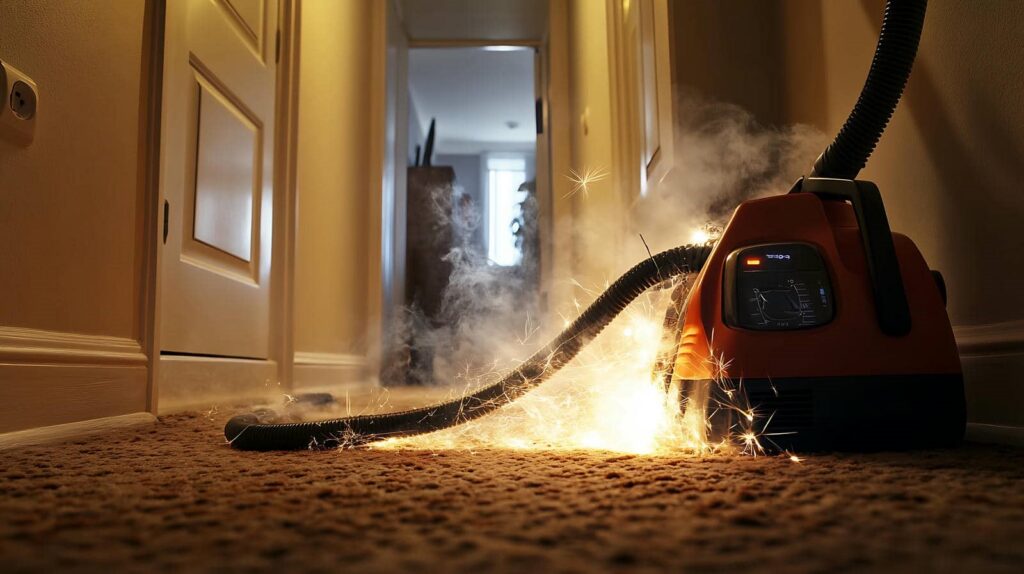
You might think smoke damage cleanup is just wiping surfaces, but fire residue can keep causing damage long after the flames are out. You need to start with safety checks, then address soot, odors, and hidden contamination in walls, fabrics, and HVAC ducts. The details matter because the wrong method can spread residue instead of removing it, and the next step changes depending on what burned.
Key Takeaways
- Smoke damage cleanup includes safety checks, utility shutoff, and documenting visible fire and soot damage before entry.
- It involves removing soot from surfaces, contents, HVAC parts, and porous materials using HEPA vacuums and specialized cleaning methods.
- Cleanup also addresses smoke odors with ventilation, deodorizing, sealing, and air treatment like HEPA filtration or fogging.
- HVAC systems should be inspected, filters replaced, and contaminated ducts or components cleaned to prevent recirculating soot.
- Call professionals when soot is widespread, odors persist, or structural, electrical, or insulation damage is suspected.
Start Smoke Damage Cleanup Safely
Before you begin smoke damage cleanup, make sure the area is safe to enter and work in. You should verify structural stability, shut off damaged utilities, and wear respiratory protection, gloves, and eye protection before you start.
If you notice sagging ceilings, exposed wiring, or lingering heat, stop and call qualified help. Open windows only when outside air is clean enough to improve ventilation. Document visible damage with photos so you can track progress and support claims.
During smoke damage cleanup after fire, you’ll work more effectively when you control access, limit contamination, and keep children and pets away. Take a measured approach, stay alert to airborne particles, and follow the guidance of your restoration team so you can move forward safely together.
What Smoke Damage Cleanup Includes
Smoke damage cleanup includes removing soot from affected surfaces, treating odors at their source, and restoring indoor air quality.
You’ll need to clean structural materials, contents, and HVAC pathways with methods matched to the type and extent of contamination.
Each step matters because residual soot and smoke compounds can continue to corrode materials and affect air safety.
Soot Removal
Soot removal is a critical part of smoke damage cleanup because soot particles cling to walls, ceilings, floors, furniture, and HVAC components. They can stain surfaces and continue to affect indoor air quality if not properly addressed.
You’ll need to assess the type of soot first, since dry, wet, and protein residues respond to different cleaning methods. Technicians use HEPA vacuums, chemical sponges, and controlled wet-cleaning techniques to lift particles without grinding them into porous materials.
You should protect unaffected areas, isolate contaminated rooms, and clean from top to bottom to avoid cross-contamination. Proper soot removal helps restore safe surfaces, supports cleaner breathing conditions, and lets you move forward with confidence in a space that feels cared for and truly yours.
Odor Treatment
Odor treatment targets the smoke particles and residues that leave persistent smells embedded in porous materials, HVAC systems, fabrics, and hidden cavities.
You’ll typically see technicians identify odor sources, isolate affected zones, and apply targeted deodorizers that neutralize smoke compounds instead of masking them.
They may use thermal fogging, hydroxyl treatment, or ozone only when conditions allow, because each method must match the material, damage level, and occupancy status.
You also need sealants on surfaces that have absorbed odor, so the smell doesn’t keep releasing over time.
This step works best after soot cleanup and surface washing, when residues are reduced.
Done correctly, odor treatment helps your space feel familiar again, supporting a clean, safe environment you can confidently return to with your household or team.
Air Quality Cleaning
Once odors are addressed, the focus shifts to air quality cleaning, which removes lingering smoke particles from the indoor environment and helps restore safe breathing conditions.
You’ll want technicians to evaluate particulate load, airflow patterns, and hidden contamination in HVAC systems, ducts, and insulation. They use HEPA filtration, negative-air machines, and targeted vacuuming to reduce fine soot that can recirculate through your space.
This process supports your household or team by improving comfort and reducing exposure risks.
- Inspect airborne residue.
- Filter and capture particulates.
- Clean ventilation pathways.
- Verify improved indoor conditions.
With precise cleanup, you can reenter a healthier environment and feel confident your space is working for you again.
How Smoke and Soot Spread Through the Home
When a fire burns, smoke travels quickly through open pathways in the home, including hallways, vents, gaps around doors, and HVAC returns, carrying fine soot particles with it.
You may see the heaviest deposition near the source, but smoke can migrate into rooms you thought stayed untouched. Warm air rises and pulls contaminants upward, while pressure changes push them into concealed cavities, attics, and ductwork.
As soot cools, it settles on surfaces and inside fibers, creating uneven contamination patterns. You also face odor transfer because volatile compounds bond to porous materials and linger in stagnant air pockets.
Understanding these paths helps you and your restoration team map damage accurately, protect unaffected zones, and choose the right containment measures before cleanup begins.
Remove Soot From Walls and Fabrics
You should remove soot from walls with a dry-cleaning sponge or a manufacturer-approved cleaner, working from the top down to prevent streaking.
For fabrics, you need to vacuum loose residue first, then launder or professionally clean items based on the care label and smoke exposure.
If soot has embedded deeply or odors persist, you’ll need specialized restoration methods to avoid permanent staining and contamination.
Wall Soot Removal
Start wall soot removal as soon as the structure is safe, because soot can quickly embed into paint, drywall, and fabric fibers. You should work methodically so you don’t smear residue deeper into the surface and spread contamination. Use dry-cleaning methods first, then washable detergents if the wall finish allows it.
- Ventilate the room to reduce airborne particles.
- HEPA-vacuum loose soot from trim, corners, and textured walls.
- Wipe with a chemical sponge or approved cleaner, changing tools often.
- Inspect for staining, etching, or odor that needs professional treatment.
When you stay organized, you protect the structure and support a cleaner, safer recovery.
If damage is extensive, call a certified restoration team that understands your goals and works with your space respectfully.
Fabric Soot Cleaning
Fabric surfaces need the same careful approach as walls, but soot can penetrate deeper into upholstery, curtains, clothing, and other porous materials.
You should first vacuum dry residue with a HEPA attachment to avoid embedding particles. Then test a discreet area before applying a fabric-safe soot cleaner or dry-cleaning solvent.
Blot, don’t rub, so you don’t spread stain or damage fibers. For washable items, launder them separately using the hottest safe water and an odor-neutralizing detergent.
For delicate textiles, use professional restoration. You’ll also need to control humidity and ventilate the room to limit lingering smoke odor.
If you handle each piece systematically, you can protect both appearance and indoor air quality while helping your space feel clean, safe, and restored.
Treat Smoke Odors in Your Home
Smoke odors can linger long after flames are gone, because soot particles and residue embed in fabrics, insulation, drywall, and HVAC systems.
You’ll need a targeted odor treatment plan that neutralizes contamination instead of masking it. To restore a healthy, familiar home, you can:
- Remove damaged porous items that hold odor.
- Clean hard surfaces with approved degreasers and soot removers.
- Use thermal fogging or hydroxyl treatment to reach hidden residues.
- Seal cleaned, nonporous surfaces when odor persists.
You may also need repeated treatments after moisture or heat reactivates residues.
Work methodically, document progress, and test each room for remaining odor.
When you address smoke odors this way, you protect indoor comfort and help your space feel like yours again.
Check Your Air and HVAC System
Once odor sources in the home are addressed, you’ll want to check the air itself and inspect the HVAC system for hidden smoke contamination.
Start by replacing the HVAC filter, then examine return vents, supply registers, and accessible duct openings for soot film or ash.
Run your hand across nearby surfaces; if you feel residue, the air path likely needs more attention.
You should also open windows when weather allows to improve ventilation and reduce trapped particles.
If your system uses washable components, clean them according to the manufacturer’s instructions.
Keep the blower off until visible contamination is removed, because circulation can redistribute smoke throughout the home.
When to Call a Fire Restoration Pro
If the soot is widespread, the odor won’t fade after basic cleaning, or you find discoloration inside walls, ducts, or insulation, it’s time to call a fire restoration pro.
You’ll protect your home and reduce hidden damage by acting fast. A qualified team uses negative-air containment, HEPA filtration, and specialized detergents to remove acidic residue without spreading contamination.
You’re not alone in this process; a restoration crew can help you make informed, confident decisions.
- Soot covers multiple rooms or porous materials.
- Smoke odor returns after cleaning and ventilation.
- HVAC components show residue or airflow issues.
- Structural, electrical, or insulation damage needs inspection.
Frequently Asked Questions
How Long Does Smoke Damage Cleanup Usually Take?
You’ll usually need a few days to several weeks, depending on soot severity, odor penetration, affected materials, and air-quality issues. Minor cleanup can finish faster; extensive damage may require staged remediation and repeated inspections.
Can Smoke Damage Affect Electronics Permanently?
Yes—smoke damage can permanently harm your electronics. Like invisible ash in a clockwork city, soot, moisture, and corrosive residues invade circuits, so you should power them off, document damage, and get professional evaluation quickly.
Does Insurance Cover Smoke Cleanup Costs?
Insurance often covers smoke cleanup costs if your policy includes fire damage, but you’ll need to review limits, deductibles, and exclusions. You should document losses promptly and work with your adjuster to confirm coverage.
How Soon Should Cleanup Start After a Fire?
Start cleanup immediately, ideally within 24 to 48 hours, because smoke residues keep etching surfaces and odors deepen. You’ll protect materials, reduce health risks, and stay ahead of permanent damage with rapid, professional restoration.
Can Food Be Saved After Smoke Exposure?
Sometimes you can save unopened, nonporous foods if smoke exposure was brief, but you shouldn’t keep anything with soot, odor, or damaged packaging. You’ll need to discard perishables, porous items, and exposed produce to stay safe.
Wrap-Up
Smoke damage cleanup after a fire is not just cosmetic it protects your health and prevents long-term contamination. In fact, the EPA notes that indoor air can be 2 to 5 times more polluted than outdoor air, making proper soot removal and HVAC cleaning critical. You should start safely, treat odors thoroughly, and inspect hidden spread in fabrics and ductwork. When the damage is extensive, you’ll get the best results by calling a qualified fire restoration professional.