
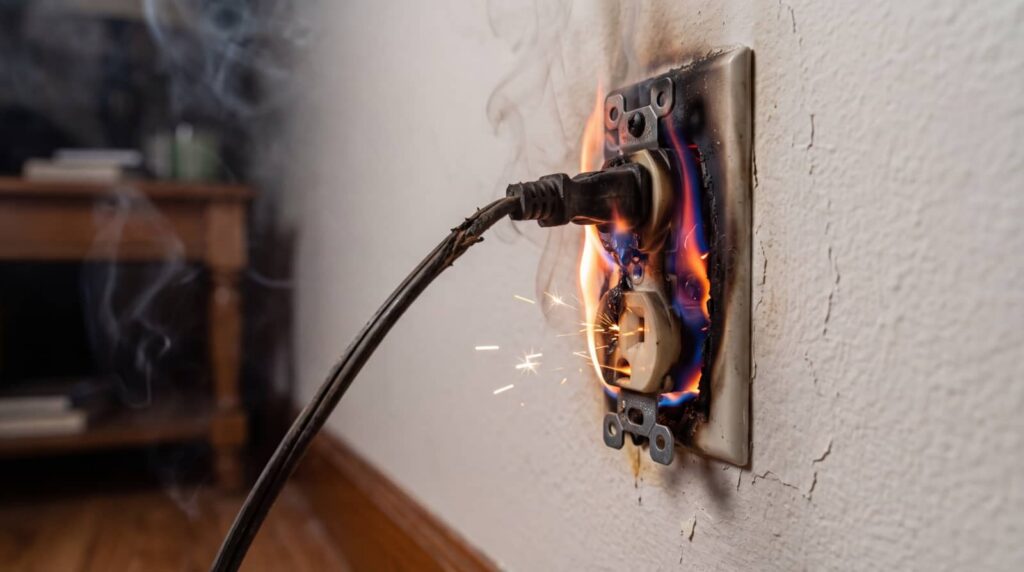
After a fire, you need to assess smoke damage before you start cleaning, because soot, odor, and residue can spread fast and some materials may be unsafe to touch. You’ll want the right supplies, solid ventilation, and proper protective gear before you handle any surface. The method changes depending on what was damaged, and some items need professional treatment to avoid permanent staining or hidden contamination.
Key Takeaways
- Assess smoke damage first, noting soot, odors, discoloration, warped materials, and areas needing professional help.
- Wear nitrile gloves, goggles, a respirator, long sleeves, and closed-toe shoes before cleaning.
- Improve ventilation by opening windows and using fans to move contaminated air outside.
- Clean surfaces gently with HEPA vacuuming, mild detergent, and fabric-safe methods, testing hidden spots first.
- Call professionals for porous materials, HVAC systems, severe residue, or persistent odors after DIY cleaning.
Assess Smoke Damage Before Cleaning
Before you start cleaning, assess the smoke damage carefully so you don’t spread residue or make the problem worse. You can identify where soot settled, how deeply smoke penetrated, and which surfaces stayed intact.
Focus on ceilings, walls, fabrics, electronics, and painted finishes, because porous materials often absorb odor and stain more quickly. If you see oily residue, warped materials, or widespread discoloration, pause and evaluate whether the area needs specialist attention.
This first check helps you understand how to clean smoke damage safely without adding abrasion, moisture, or contamination. You’re not handling this alone; a methodical inspection gives you control and keeps your cleanup plan grounded in real conditions.
Document damaged areas so you can track progress and protect your space.
Gather Smoke Cleanup Supplies
Before you start, gather protective cleaning gear like gloves, goggles, and a respirator so you can work safely around soot and residue.
Next, assemble essential cleaning tools such as microfiber cloths, HEPA vacuums, sponges, buckets, and nonabrasive cleaners suited for smoke damage.
Keep odor removal supplies on hand, including baking soda, activated charcoal, or a deodorizer, so you can address lingering smoke smells as you clean.
Protective Cleaning Gear
Smoke cleanup starts with the right protective gear, because soot and residue can irritate your skin, eyes, and lungs. You should wear nitrile gloves to reduce skin contact, safety glasses with side shields to block particles, and a well-fitted respirator rated for fine particulates, such as an N95 or better.
Long sleeves, long pants, and closed-toe shoes help keep contamination off your skin and out of your home. If clothing becomes heavily soiled, change it before moving into clean areas. Keep a disposable bag nearby for used gear and wash exposed skin thoroughly after each session.
You’re not dealing with this alone; steady protection helps you work safely and confidently while you restore your space together.
Essential Cleaning Tools
Gathering the right tools makes smoke cleanup safer and more effective. You’ll need heavy-duty trash bags, labeled bins, microfiber cloths, sponges, a soft-bristle brush, a bucket, and a spray bottle for controlled application.
Choose a vacuum with a HEPA filter so you can lift fine soot without recirculating it. Keep a dry cleaning sponge on hand for fragile surfaces, and use nonabrasive scrub pads for durable areas. A stable step stool helps you reach high trim safely.
Organize supplies before you start, so you can work methodically and stay part of a well-prepared cleanup routine. Separate tools for dirty and cleaned zones to avoid spreading residue.
With the right kit, you’ll move through each room with confidence and restore order faster.
Odor Removal Supplies
To remove lingering smoke odor, you’ll need supplies that neutralize odor at the source rather than just masking it. Gather activated charcoal, baking soda, odor-absorbing gels, and enzymatic or hydroxyl-based cleaners for porous materials.
You should also keep microfiber cloths, spray bottles, gloves, and sealed trash bags ready so you can work methodically and protect your space. If you’re treating HVAC returns or soft furnishings, use a HEPA vacuum and replacement filters to trap fine residue.
Avoid perfume-heavy sprays; they can mix with soot and make the smell persist. When you choose the right tools, you’re not just cleaning—you’re restoring a safer, more comfortable home for everyone who belongs there.
Protect Yourself Before Cleaning Smoke Damage
Before you clean smoke damage, wear protective gear such as gloves, a respirator, and eye protection to limit exposure to soot and residue.
You should ventilate the area by opening windows and using fans to reduce airborne contaminants and improve air exchange.
Test the air quality first, and if conditions remain unsafe, stop and call a professional cleanup service.
Wear Protective Gear
Smoke residue can irritate your skin, eyes, and lungs, so you should protect yourself with the right gear before you start cleaning.
Wear nitrile gloves to shield your hands from soot, acids, and sharp debris. Use safety goggles that seal well to keep particles out of your eyes. Choose an N95 respirator or better if you’re dealing with fine ash or lingering odor, and make sure it fits snugly.
Long sleeves, long pants, and closed-toe shoes add a reliable barrier and help you feel prepared. If fabric becomes heavily contaminated, replace it instead of reusing it.
Keep your gear on until the surface cleanup is complete, then wash exposed skin thoroughly. With the right protection, you can clean methodically, stay safer, and work with confidence.
Ventilate The Area
Open windows and doors as soon as it’s safe, and use fans to move contaminated air out of the space rather than circulating it inside.
Create a clear flow path from one opening to another so smoke residue, soot, and lingering odors leave the room efficiently.
Place box fans facing outward in windows; don’t aim them at walls or furnishings, because that can spread particles back onto surfaces you’ll clean later.
If you’re working with others, coordinate the airflow so everyone follows the same plan and stays out of the strongest draft.
Keep interior doors open when possible to reduce trapped fumes.
Ventilation won’t remove all contamination, but it lowers exposure and makes the cleanup feel more manageable.
You’re not doing this alone; each step helps your space recover.
Test Air Quality
Is the air safe enough to clean? Use a portable smoke or VOC meter to check before you enter for long periods.
If you don’t have one, call your local fire department, restoration team, or HVAC technician for a reading. Compare results against the device’s guidance and stay alert for visible haze, sharp odors, coughing, eye irritation, or headaches.
You should also test carbon monoxide if any fuel burned indoors. Wear a properly fitted respirator, gloves, and eye protection while you assess the space.
If measurements stay elevated, wait, ventilate longer, or bring in professionals. You’re not overreacting; you’re protecting your household and making sure your cleanup team can work safely together.
Clear air helps you focus, breathe easier, and begin restoration with confidence and care.
Clean Smoke Damage From Walls and Ceilings
A soot stain can linger on walls and ceilings long after the flames are out, but you can often reduce damage with careful cleaning.
Start by opening windows and wearing gloves, eye protection, and a fitted mask. Vacuum loose soot with a soft brush attachment, moving from top to bottom so you don’t spread residue.
Mix warm water with a mild detergent or trisodium phosphate substitute, then test a small hidden area first. Wipe gently with a sponge, rinsing often and changing solution when it darkens.
Work in small sections and dry each area with a clean cloth. If paint softens, staining remains, or drywall feels brittle, stop and call a restoration professional.
You’re not doing this alone; careful steps protect your space and help it feel like home again.
Remove Soot From Fabrics, Furniture, and Floors
Once you’ve handled walls and ceilings, move to fabrics, furniture, and floors before soot has time to settle deeper.
Vacuum dry soot first with a HEPA filter and a soft brush attachment; don’t scrub, because that can grind particles into fibers.
For washable textiles, shake them outside, then launder in the warmest water the care label allows with a mild detergent.
On upholstered furniture, blot lightly with a dry microfiber cloth, then use a fabric-safe foam cleaner in small sections.
For hard floors, sweep gently, vacuum edges, then mop with a pH-neutral cleaner and clean water.
Rinse your cloths often, dry each surface fully, and keep airflow moving.
If you work methodically, you’ll protect your space and help your home feel normal again.
What Materials Need Professional Smoke Cleanup?
Some materials are too porous, delicate, or extensively affected for safe DIY cleanup, so you should call a professional when smoke has penetrated insulation, drywall, untreated wood, HVAC systems, or hidden cavities.
You can wipe hard, nonporous surfaces, but these substrates absorb odor, acidic residue, and moisture deep inside their structure. Professionals use HEPA filtration, controlled agitation, and deodorization methods that you can’t match with household tools.
If you leave contaminated insulation, ductwork, or wall assemblies in place, smoke particles can recirculate and linger in shared rooms. You’re not alone in this process; many homes need targeted remediation to restore safe indoor air.
Focus your efforts on accessible surfaces, and let specialists handle materials that require disassembly, containment, and deep cleaning to protect your home.
When to Call a Smoke Damage Professional
Call a smoke damage professional when the damage goes beyond light surface residue or when you can’t confirm the extent of contamination, because hidden smoke and soot can keep spreading long after the fire is out.
You should also call one if odors persist after cleaning, if soot has reached HVAC ducts, insulation, or porous materials, or if water from firefighting has created hidden moisture.
Professionals use thermal fogging, hydroxyl treatment, HEPA filtration, and controlled decontamination to remove residues safely.
If you notice corrosion, staining, or respiratory irritation, stop DIY work and get help.
A qualified team can verify air quality, protect salvageable items, and restore your home with less risk.
You’re not overreacting; you’re choosing a safer, cleaner recovery for everyone living there.
Frequently Asked Questions
Can Smoke Odor Remain After Visible Soot Is Removed?
Yes, smoke odor can linger after you remove visible soot because particles penetrate porous materials and HVAC systems. You’ll need deep cleaning, ventilation, and sometimes professional deodorization to fully eliminate it safely.
How Long Does Smoke Residue Continue Damaging Surfaces?
Smoke residue keeps damaging surfaces until you remove it, and acidic compounds can etch metal, discolor paint, and stain plastics within hours to days. If you act quickly, you’ll greatly reduce permanent damage and restore safety.
Is It Safe to Use a Regular Vacuum on Soot?
No—most soot particles are tiny enough for a regular vacuum to exhaust back into your air. You’ll spread contamination and clog the filter. Use a HEPA vacuum or call a pro.
Can HVAC Systems Spread Smoke Contamination Throughout the Home?
Yes, your HVAC can spread smoke contamination throughout the home if you run it after a fire. You should shut it off, replace filters, and have ducts inspected before you clean or reoccupy rooms.
What Should I Do With Food Exposed to Smoke?
You should discard any unsealed food exposed to smoke; porous packaging absorbs contaminants. Keep sealed cans and jars only if undamaged, then wash them thoroughly before opening. When in doubt, toss it.
Final Thoughts
By evaluating the damage first, gathering the right supplies, and protecting yourself, you can clean many smoke-affected surfaces safely and efficiently. Remember, soot particles can spread fast; in a fire, smoke can travel through a home in minutes, reaching rooms far from the flames. If odors linger or materials are deeply damaged, don’t push forward alone. Call a smoke damage professional to restore safe air quality and make sure your home’s cleanup is complete.