
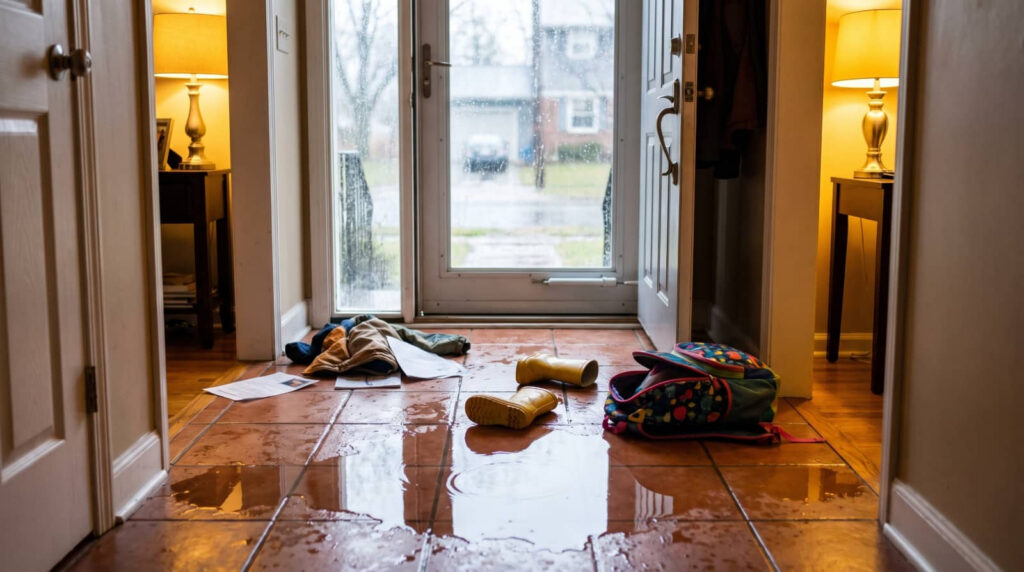
After water damage, the biggest threat isn’t always the visible water. It’s the moisture trapped inside walls, flooring, and insulation. Water damage cleanup needs to start quickly, but the right sequence matters: shut off the source, protect the area, remove standing water, and dry hidden pockets before mold has a chance to spread. What you do in the first few hours can determine how much of your property you can save, making the next step critical.
Key Takeaways
- Turn off electricity if safe, stop the water source, and document damage before moving anything.
- Remove standing water quickly with pumps or wet vacuums, then extract soaked materials.
- Dry the area thoroughly with air movers, dehumidifiers, and moisture checks in hidden spaces.
- Clean and disinfect contaminated surfaces, especially after floodwater, to prevent mold and bacteria growth.
- Contact professional restoration services for hidden damage, advanced drying, repairs, and insurance documentation.
What to Do First After Water Damage?
Start by stopping the water source if you can and turning off electricity to affected areas when it’s safe to do so.
Then take a quick assessment of what’s wet, what’s soaked, and what looks unstable. You don’t need to fix everything now; you just need to make the area safer for water damage cleanup.
Move lightweight valuables, papers, and fabrics to a dry space, and keep clear of sagging ceilings, swollen flooring, or contaminated water.
Open interior doors for airflow if conditions allow, and take photos before you move items so you can document the loss.
If you’re unsure, call a qualified restoration team right away. Acting fast helps limit structural damage, supports drying, and gives you a better path back to normal.
Stop the Water and Protect the Area
Shut off the water source right away to stop additional flow and limit further saturation.
Then protect surrounding areas by moving valuables, placing barriers, and containing runoff so moisture doesn’t spread.
These quick actions help stabilize the scene and make cleanup more effective.
Shut Off Water Source
The first priority in water damage cleanup is to stop the source fast and protect the area from further harm. You should locate the main shutoff valve, then close it clockwise until the flow stops.
If the leak comes from a fixture, turn off the nearby supply valve too. For a water heater, appliance, or outdoor line, use the dedicated isolation valve when you can reach it safely.
If you can’t find the right valve, shut off the home’s main supply and call a plumber. Once the water stops, check that pressure has dropped and the leak isn’t feeding more damage.
Acting quickly keeps you in control, reduces cleanup time, and helps your team move forward together with confidence.
Protect Surrounding Areas
Next, protect the surrounding area so the damage doesn’t spread while you work. Move furniture, rugs, electronics, and valuables out of the wet zone, or place them on blocks if you can’t relocate them.
Lay plastic sheeting or tarps over clean floors and nearby belongings to keep drips and debris contained. Use towels, foam boards, or absorbent barriers at doorways to catch runoff.
If water is still active, set buckets or pans under leaks and monitor them closely. Turn off power to affected circuits only if it’s safe, and keep cords and appliances away from standing water.
Create a clear work path so you can move safely and quickly. These steps help you protect the space, reduce secondary damage, and stay organized while you restore your home.
Remove Standing Water and Wet Contents
Next, you’ll extract standing water with pumps, wet vacuums, or other appropriate equipment to slow further damage and reduce moisture load.
Then you’ll remove soaked contents, including carpets, padding, and furniture, so you can assess what can be dried and what needs disposal.
You’ll also protect salvageable items by moving them to a dry area and separating them for targeted cleaning and drying.
Extract Standing Water
Standing water needs to come out quickly to reduce further damage and slow mold growth. You should start by shutting off the source, if it’s still active, then use a wet vac, pump, or submersible extractor to pull water from floors, carpets, and low spots.
Work from the edges toward the center so you don’t spread moisture into clean areas. Check hidden pockets under baseboards, in closets, and around cabinets, because water often settles there.
Keep your footing safe and use grounded equipment in damp areas. As you remove water, monitor surfaces for remaining saturation so you can shift to drying right away.
When you act fast and methodically, you protect your space, support your recovery, and stay in control together.
Remove Wet Contents
Remove wet contents quickly so you can stop moisture from spreading and limit secondary damage.
You should clear out soaked rugs, cushions, boxes, and loose furnishings as soon as it’s safe to enter. Move items to a dry, ventilated area and place them on clean plastic sheeting or blocks to keep them off damp floors.
Wear gloves and boots, and separate saturated materials from damp ones so you can work in an organized way. Bag small debris and remove it from the space to reduce odors and contamination.
As you work, keep pathways open for drying equipment and inspections. When you act fast and stay methodical, you give your home the best chance to dry evenly and help your cleanup team restore your space with confidence.
Protect Salvageable Items
Once the loose, soaked items are out of the way, focus on protecting anything you can still save by getting standing water off the floor and reducing further moisture exposure.
Use pumps, wet vacuums, mops, and towels to clear water fast, then elevate salvageable furniture, boxes, and electronics away from damp flooring.
Move fabrics, paper goods, and small contents to a dry, ventilated area where your team can sort, clean, and dry them.
Open windows only if outdoor humidity is low, and run fans and dehumidifiers to slow absorption and limit mold growth.
Keep like materials together so you can track what’s drying, what needs cleaning, and what can’t be restored.
Acting quickly helps your property recover and keeps your space safer for everyone involved.
Dry Walls, Floors, and Hidden Moisture
After the bulk water is removed, you need to dry walls, floors, and hidden moisture quickly to limit swelling, staining, and mold growth.
Set up air movers to push dry air across baseboards, carpet edges, and wall cavities, and run dehumidifiers to pull vapor from the room.
You should open access points, like removed trim or inspection holes, so trapped moisture can escape.
Check subfloors, insulation, and behind cabinets with a moisture meter, not just by touch.
Keep the equipment running until readings return to normal for the material.
In a loss, you’re not alone; steady drying and careful monitoring help you protect your space and move toward recovery with confidence.
Clean Up and Prevent Mold
Now that the area is dry, you can clean contaminated surfaces and help prevent mold from taking hold. Use PPE, ventilate the room, and scrub hard surfaces with detergent and water. Then disinfect areas exposed to dirty floodwater, following the product label exactly.
- Remove damp debris and bag it promptly.
- Wipe down nonporous surfaces with a clean cloth.
- Dry everything again with fans or dehumidifiers.
- Watch for musty odors or new spotting over the next few days.
If you belong to a community that’s been through water loss, you know speed matters. Stay alert, keep humidity low, and document any changes.
When you act quickly and methodically, you give mold far less chance to spread and protect your space with confidence.
Restore Damaged Materials and Property
With the area clean and dry, you can start restoring materials and property based on what can safely be saved. Sort items into salvageable, repairable, and discardable groups.
Clean hard surfaces with a disinfectant, then inspect for swelling, warping, rust, or hidden decay. Drywall, insulation, carpet padding, and particleboard often need replacement if they stayed saturated too long.
For wood, use controlled drying and verify moisture levels before refinishing. Test appliances, outlets, and HVAC components only after a qualified technician checks them.
Document losses with photos and receipts for insurance. Replace materials methodically so your space feels whole again and your household can move forward together.
If you’re unsure, lean on a trusted restoration team that knows how to bring homes back safely.
Frequently Asked Questions
How Long Does Water Damage Cleanup Usually Take?
Usually, you’ll see cleanup take 1–5 days for minor damage, while major losses can stretch to weeks. You’ll dry, remove, and restore faster when you act quickly, because wet walls dry while mold waits.
Will My Insurance Cover Water Damage Restoration Costs?
Yes, your insurance may cover water damage restoration costs, depending on your policy and cause of loss. You should document damage, contact your insurer quickly, and use a trusted restoration team to protect your home and claim.
Can I Stay in My Home During the Cleanup Process?
You can sometimes stay home, but you shouldn’t if crews are drying, removing damaged materials, or using antimicrobials. You’ll need safe, separate spaces, good ventilation, and clear access so restoration moves quickly and mold doesn’t spread.
What Equipment Is Used to Detect Hidden Moisture?
You’d use moisture meters, thermal cameras, hygrometers, and inspection probes to find hidden dampness behind walls and under floors. They map cold, wet pockets, helping you protect your home and feel confident during cleanup.
How Do Professionals Determine if Materials Can Be Saved?
You’ll see pros test moisture, structural integrity, contamination, and drying potential. They inspect each material, compare readings to salvage thresholds, and recommend repair when you can safely dry, clean, and restore it.
Conclusion
After water damage, you need to act fast, stay methodical, and protect what you can. Shut off the source, remove standing water, and dry every surface, including hidden cavities, before mold takes hold. Clean, disinfect, and sort salvageable items with care. If the damage is extensive, call pros to handle what you can’t see. As the saying goes, “A stitch in time saves nine,” and quick cleanup now can spare you costly repairs later.