
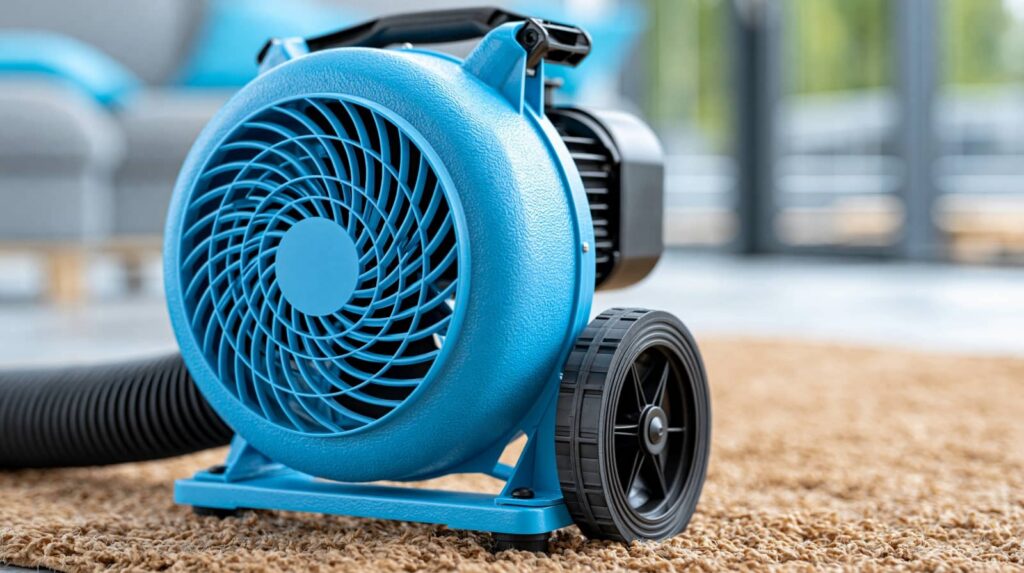
Mold Prevention starts immediately after water enters your home. Act quickly by stopping the water source if possible, removing standing water, and taking out wet materials that cannot be dried promptly. Then dry the affected area within 24 to 48 hours using fans, dehumidifiers, and increased ventilation when conditions allow. Once the space is dry, clean and disinfect affected surfaces, paying close attention to hidden areas where moisture can remain. Taking these steps for mold prevention can significantly reduce the risk of mold growth after flooding.
Key Takeaways
- Ensure the area is safe, stop the water source, and shut off electricity only if you can do so without standing in water.
- Remove standing water quickly, then discard soaked carpets, drywall, insulation, cardboard, and other porous materials.
- Dry the home immediately with fans, open windows, dehumidifiers, and lifted furnishings to expose hidden moisture.
- Disinfect hard, nonporous surfaces with approved cleaners, changing solution often and keeping children and pets away until dry.
- Inspect regularly for mold, musty odors, or staining, and call a certified professional if growth exceeds 10 square feet.
Stay Safe and Stop Floodwater Fast
Before you enter a flooded area, make sure the space is safe and stop the water source as quickly as possible.
Shut off electricity at the main breaker if you can reach it without standing in water. Avoid gas leaks, unstable surfaces, and contaminated water. Wear boots, gloves, and eye protection so you can work with less risk.
If the flooding comes from a burst pipe, close the nearest valve or the main supply line. Document visible damage with photos once it’s safe. Quick action supports flood damage mold prevention because it limits moisture spread and slows microbial growth.
Stay calm and coordinate with your household so everyone knows the plan. Acting fast helps your team protect the home, reduce hazards, and keep recovery on track.
Remove Standing Water and Damaged Materials
Once the area is safe, get rid of standing water as quickly as you can with pumps, wet vacuums, buckets, or mops. You’ll limit mold growth, corrosion, and odor when you remove water fast.
Pull up soaked carpet, rugs, pads, cardboard, and paper goods that can’t be salvaged. Remove warped drywall, insulation, ceiling tiles, and other porous materials that stayed wet.
Bag debris in heavy-duty sacks and seal them before disposal to keep contamination from spreading. If you can’t clean a material thoroughly, treat it as damaged and discard it.
Wear gloves, boots, and eye protection while you work, and sort salvageable items from trash so your cleanup team stays organized and safe together.
Dry Your Home Within 24 to 48 Hours
Start drying the structure as soon as the standing water is gone, because mold can begin growing within 24 to 48 hours.
Open windows if outdoor air is dry, and run fans to move air across wet floors, walls, and framing. Use dehumidifiers to pull moisture from enclosed rooms, and empty the reservoirs often.
If you have HVAC access, circulate conditioned air only after you confirm the system isn’t wet. Lift wet rugs, bedding, and furnishings so air reaches hidden surfaces.
Check attics, closets, and crawl spaces, since trapped humidity can slow recovery. Measure moisture with a meter, not guesswork, and keep drying until materials read near normal.
You’re protecting your home and helping everyone in it return to a safer, healthier space.
Disinfect Surfaces to Prevent Mold Growth
After floodwater recedes, disinfect every hard, nonporous surface to reduce mold growth and contamination. Use a cleaner that’s approved for flood cleanup, and follow the label exactly for dilution, contact time, and ventilation.
Scrub walls, floors, counters, tile, metal, plastic, and sealed wood with clean cloths or disposable wipes. Change the solution when it gets dirty so you’re not spreading residue.
Wear gloves, boots, eye protection, and an N95 if the area still smells musty. Rinse food-contact surfaces with clean water after disinfecting, then let them air-dry fully.
Keep kids and pets out until surfaces are dry and the space feels safe again. When your cleanup crew stays consistent, you lower risk and protect the home you share.
Spot Mold Early and Call a Pro
Even after disinfection, keep checking for new mold so you can catch it before it spreads.
Inspect walls, baseboards, insulation, carpets, and hidden cavities for musty odor, staining, peeling paint, or fuzzy growth. Use a flashlight and note any damp spots after rain or cleaning.
If you see mold larger than about 10 square feet, if it keeps returning, or if it’s inside HVAC ducts, call a certified mold professional right away. You’ll get safer containment, moisture testing, and removal that protects your home and your household.
Don’t try to scrub deep contamination yourself; you can spread spores and miss the source.
Stay connected with your cleanup team, document findings, and act fast. Early detection helps your home recover cleanly.
Frequently Asked Questions
Should I Turn off Electricity Before Entering Flood-Damaged Rooms?
Yes—if it’s safe, you should turn off electricity at the main breaker before entering. You’ll reduce shock and fire risk. Don’t step into standing water near outlets, appliances, or visible damage; call a licensed electrician first.
Can Floodwater-Contaminated Food Still Be Safely Eaten?
No, you shouldn’t eat food touched by floodwater. You’ll protect yourself by discarding cans with damaged seals and all porous, refrigerated, or frozen foods. When in doubt, throw it out to avoid contamination.
How Do I Document Damage for Insurance Claims?
You’ll document damage by photographing every affected area, item, and serial number; saving receipts; noting dates, times, and water sources; and listing repairs. Then you’ll store copies securely and share them promptly with your insurer.
What Items Can Be Saved Without Professional Cleaning?
You can usually save hard, nonporous items like metal, glass, and sealed plastic if you clean and dry them quickly. Toss soaked drywall, insulation, upholstery, mattresses, and food; they trap contamination and moisture.
When Should I Replace HVAC Filters After Flooding?
Replace your HVAC filters right after flooding and again after cleanup. Waterlogged filters turn into mold magnets. If your system ran during the flood, don’t wait—inspect ductwork and change filters before you breathe easier.
Review
When water enters your home, you need to act fast, because mold doesn’t wait. Stop the flooding, remove standing water, and throw out damaged materials right away. Then dry everything within 24 to 48 hours, using fans and dehumidifiers to push moisture out. Clean nonporous surfaces to cut mold growth, and keep checking hidden spaces. If you spot more than 10 square feet of mold, call a certified pro before the problem spreads.