
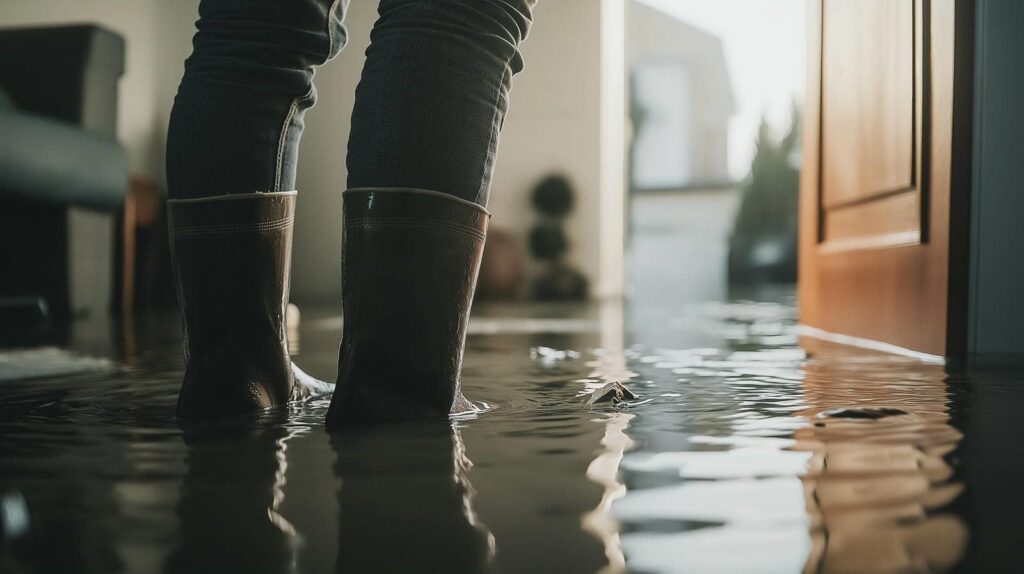
Water damage emergencies can happen without warning, and acting quickly can help minimize the damage to your home and belongings. After you stop the leak, pros inspect for hidden moisture, extract standing water, dry structural materials, and remove anything unsalvageable. But the real challenge often shows up after the visible water is gone, when trapped moisture can keep spreading damage unless you know what to check next.
Key Takeaways
- Restoration starts with inspection, moisture mapping, and classifying damage to target the right equipment and repairs.
- Safe response includes stopping the leak, shutting off power, and keeping people and pets away from hazards.
- Technicians extract standing water, then use air movers and dehumidifiers to dry hidden and visible moisture.
- Affected surfaces are cleaned and sanitized, contaminated materials are removed, and odors are treated with filtration or deodorizing methods.
- Final repairs replace damaged drywall, insulation, and trim after drying confirms the area is stable and safe.
What Water Damage Restoration Includes
Water damage restoration includes a careful sequence of inspection, water removal, drying, and cleanup after leaks, floods, or burst pipes.
You’ll see how water damage restoration works through moisture mapping, material assessment, and targeted equipment placement. Technicians measure affected areas, document conditions, and classify the damage so you know what needs attention.
They extract standing water, then use air movers and dehumidifiers to lower humidity and stabilize building materials. You’ll also get contaminated debris removed and surfaces cleaned to reduce odors and residue.
This process helps you feel informed and supported while your home returns to a safe, usable state. Careful monitoring confirms that hidden moisture is dropping and that the structure’s drying goals are being met.
Stop the Leak and Make the Area Safe
Before drying begins, you need to stop the source of the leak and make the area safe for entry. Shut off the water supply if you can do it safely, then cut power to affected circuits when water has reached outlets, fixtures, or appliances.
Remove standing water only after you confirm there’s no electrical hazard. Wear boots, gloves, and, if needed, eye protection to reduce exposure to contaminated surfaces and sharp debris.
Mark slippery floors, unstable ceilings, or sagging drywall so no one enters by mistake. Open doors and windows if it won’t spread damage or create a safety risk. Keep children, pets, and other occupants out until the area’s secure.
When you control the source and eliminate immediate hazards, you protect your home and help your restoration team work efficiently as a coordinated unit.
How Pros Find Hidden Moisture
Pros use moisture meters, thermal imaging, and visual inspection to locate water that’s trapped behind drywall, under flooring, and inside cavities where it isn’t obvious.
You’ll see them compare readings across affected and unaffected areas to map the spread of moisture with precision. They check baseboards, corners, ceiling lines, and junction points where leaks often travel.
Thermal cameras help reveal cooler zones that can indicate evaporation or hidden saturation, while pin and pinless meters confirm exact material moisture content.
This process lets your restoration team identify what’s wet, what’s only damp, and what’s still dry. You get a targeted plan because hidden water can persist after surface areas look normal.
When pros document these findings, they build a shared understanding of the damage and the next steps.
Remove Standing Water and Damaged Materials
Next, the crew removes any standing water and tears out materials that can’t be saved. You’ll see pumps, extractors, and wet vacs clear water from floors, cavities, and low spots.
Technicians then cut out saturated drywall, insulation, carpet pad, and other porous items that hold moisture and may harbor contaminants. They isolate the work area, bag debris, and protect clean surfaces so damage doesn’t spread.
Salvageable materials stay in place, but anything swollen, delaminated, or heavily contaminated gets removed for safety and efficiency. This step reduces structural load, limits odor, and prepares your home for the next phase.
When the wettest material is gone, your restoration team can assess what remains and move forward with a cleaner, more controlled workspace.
Dry Walls, Floors, and Framing Fast
You need to start rapid structural drying as soon as standing water is removed so moisture doesn’t keep wicking into walls, floors, and framing.
Use targeted floor moisture removal to lower surface and subfloor saturation, then monitor hidden dampness with meters to verify drying progress.
Keep airflow, dehumidification, and heat focused on the framing dry-out process until materials reach safe moisture levels.
Rapid Structural Drying
Rapid structural drying targets the building materials that trap moisture after a leak, flood, or burst pipe, including drywall, subfloors, flooring assemblies, and framing.
You’ll often see technicians place air movers to increase evaporation while dehumidifiers pull that vapor from the room. They monitor temperature, humidity, and moisture readings so drying stays controlled and consistent.
This process helps you protect structural integrity, reduce swelling, and limit microbial growth before it spreads. You don’t just want surfaces to feel dry; you want the concealed materials to return to safe moisture levels.
When you work with a restoration team that measures progress, you stay informed and included in each step, and your home gets back to normal with less disruption and better long-term performance.
Floor Moisture Removal
After standing water is removed, floor moisture removal focuses on pulling trapped water out of wall cavities, subfloors, floor coverings, and framing before it causes swelling, delamination, or mold growth.
You’ll usually see technicians place low-profile air movers along baseboards and under toe-kicks, then use dehumidifiers to lower vapor pressure and speed evaporation.
If carpet, pad, or vinyl traps moisture, they may lift edges or remove small sections to let airflow reach hidden areas.
They also check with moisture meters so you know drying is on target, not guesswork.
This step protects structural materials and helps your home return to normal faster.
When you’re dealing with a leak, precise floor drying gives your space the best chance to recover cleanly and confidently, with less risk of lingering dampness.
Framing Dry-Out Process
Framing dry-out targets the structural materials that hold the building together, including wall studs, joists, subfloors, and sheathing, so hidden moisture doesn’t linger and weaken the assembly.
You’ll want technicians to open trapped cavities, position air movers, and set dehumidifiers to pull vapor from dense lumber. They’ll measure moisture content at multiple points to confirm the framing is drying evenly and safely.
- Exposed studs with directed airflow
- Lifted flooring edges for cavity drying
- Moisture meters checking progress
When you act quickly, you reduce swelling, fastener corrosion, and microbial growth.
You also protect the home’s structural integrity, so your space can return to normal with confidence and less disruption.
Clean, Sanitize, and Deodorize the Space
You should clean all affected surfaces with appropriate detergents, then sanitize them with a disinfectant approved for the material and contamination level.
After that, you’ll need to remove residual odors by using targeted methods such as HEPA filtration, ventilation, or antimicrobial deodorizing agents.
This step helps reduce microbial risk and restores the space to a safe, usable condition.
Surface Sanitization Steps
Once standing water is removed and affected materials start drying, crews clean salvageable surfaces to remove dirt, residues, and contaminants left by the leak or flood. You’ll see technicians wipe hard surfaces with the right detergent, then apply an EPA-registered sanitizer to reduce microbial load. They focus on countertops, baseboards, cabinets, and framing that can safely remain in place.
- Wiping seams, corners, and trim where moisture lingers
- Treating nonporous areas with measured contact time
- Cleaning tools between rooms to prevent cross-contamination
After sanitation, they inspect for remaining soil or spotting and repeat treatment where needed. This step helps you keep the space stable, limits secondary contamination, and prepares the area for final drying and repair so your home feels controlled again.
Odor Removal Methods
Odor control usually starts with a three-part approach: clean the source, sanitize the affected surfaces, and deodorize the space so smells don’t linger after drying.
You remove wet drywall, insulation, and carpet pad that trapped organic residue, then wash hard surfaces with an appropriate detergent.
Next, you sanitize areas exposed to dirty water with an EPA-registered product matched to the material.
After that, you target airborne and absorbed odors with HEPA filtration, activated charcoal, or hydroxyl treatment, depending on the contamination level.
You’ll also need to dry hidden cavities, because moisture feeds odor-causing growth.
If a smell returns, you inspect for missed debris or damp pockets.
When you follow each step carefully, you help your home feel clean, safe, and truly restored.
What Gets Repaired or Replaced After Drying
After drying finishes, restoration crews assess which materials can stay and which ones need removal because moisture may have weakened them. You’ll often keep solid framing, but you may replace swollen drywall, warped baseboards, and delaminated flooring.
Technicians inspect insulation for saturation, since wet insulation traps moisture and can’t reliably perform. They also test subfloors, trim, and cabinet panels for soft spots, staining, or hidden mold growth.
If wiring, outlets, or fixtures got wet, a licensed electrician should verify they’re safe before reuse. You’re not just fixing damage; you’re restoring a healthy space where your household can feel secure again.
- Cut-out drywall sections
- Replace soaked insulation batts
- Refit damaged trim boards
How Long Water Damage Restoration Takes
How long your water damage restoration takes depends on drying time factors such as material type, humidity, airflow, and the extent of saturation.
If the damage is minor, you may see drying and cleanup finish in a few days, while severe flooding or structural damage can extend the timeline to weeks.
Each restoration stage—extraction, drying, repairs, and final verification—adds its own duration, so the full process varies by site conditions.
Drying Time Factors
Drying time after water damage depends on several variables, including the amount of water involved, the type of materials affected, airflow, humidity, temperature, and how quickly restoration starts.
You’ll usually see faster results when you remove standing water, open up air paths, and keep indoor conditions stable. Porous materials like carpet pad and drywall dry differently than tile or sealed wood, so your technician will adjust equipment to match each surface.
- Strong fans move moisture off wet surfaces
- Dehumidifiers pull water vapor from the air
- Warm, steady conditions support efficient evaporation
When you stay involved and communicate with your restoration team, you get clearer updates and a smoother process.
Monitoring tools help confirm when your space has reached acceptable dryness.
Damage Severity Timeline
Water damage restoration timelines vary with the severity of the loss, because a small clean-water leak may take only a few days, while widespread flooding or contaminated water can require a week or more of mitigation, drying, cleaning, and repairs.
You can usually expect minor damage in one to three days if moisture stays limited to a small area. Moderate damage often takes several days longer, since water can move into wall cavities, trim, and subflooring.
Severe loss may stretch beyond a week when structural materials, insulation, and contents need deeper attention. Your timeline depends on how fast you call for help, how much material got wet, and whether the water carried contaminants.
Acting quickly helps your home get back to safe, stable condition sooner.
Restoration Stage Duration
The restoration stage usually lasts from a few days to more than a week, depending on how far moisture has spread and how much material crews must remove or dry.
You’ll usually move through extraction, demolition, drying, cleaning, and verification in that order. If you act fast, your team can shorten the timeline and limit hidden damage. If framing, insulation, or subflooring stays wet, expect extra days for controlled drying and repeated moisture checks.
- Saturated carpet padding often comes out first.
- Wall cavities need dehumidifiers and air movers.
- Moisture meters confirm when materials reach safe levels.
You’ll know the process is close to complete when surfaces feel dry, readings stabilize, and your property’s air no longer carries that damp, musty signal.
Signs of Water Damage You Shouldn’t Ignore
Even small leaks can signal bigger trouble, so you shouldn’t ignore discoloration on ceilings or walls, peeling paint, warped flooring, musty odors, or unexplained damp spots.
You may also notice bubbling drywall, soft baseboards, or visible mold growth near trim, vents, or window frames. If your floors feel uneven, your carpet stays cool and damp, or your home’s humidity rises without explanation, moisture may be trapped inside materials.
Check for rust on fasteners, stains around plumbing penetrations, and swelling at cabinet edges. These signs often mean water has entered hidden cavities and may be affecting insulation, framing, or subflooring.
When you spot them early, you can respond faster and stay in control with the rest of your homecare team.
How to Prevent More Damage After a Leak
Once you spot a leak, shut off the affected water source right away and remove nearby items so moisture can’t spread into floors, walls, or furnishings.
Next, cut power to wet areas if it’s safe, then document the damage with photos for your restoration team.
Open windows, run fans, and dehumidifiers to lower humidity, but don’t use central HVAC if it may circulate damp air.
Pull up rugs, lift cushions, and separate soaked materials so they dry faster.
If you’re part of a household or community crew, assign tasks quickly and keep pathways clear.
- Water pooled under a sink
- Wet drywall near a baseboard
- A fan aimed at damp carpet
These steps limit secondary damage and help your space recover faster.
Frequently Asked Questions
Does Homeowner’s Insurance Cover Water Damage Restoration?
Yes, your homeowner’s insurance may cover water damage restoration if a sudden, accidental leak caused it. You’ll usually need prompt reporting, documented damage, and policy review, since gradual leaks, floods, and neglect often aren’t covered.
Can I Stay in My Home During the Drying Process?
Yes, you can stay if the damage is contained, drying equipment is safe, and utilities remain stable. You’ll need good airflow, limited access, and monitoring for moisture, mold, or electrical hazards during drying.
How Much Does Professional Water Damage Restoration Cost?
Professional water damage restoration usually costs $1,000 to $5,000, but hidden damage can push it higher. You’ll know more after inspection, moisture mapping, extraction, drying, and repairs reveal the true scope.
Will My Belongings Need to Be Thrown Away?
Not always; you’ll often save belongings if you act fast. You can dry, clean, and disinfect many items, but porous materials, contaminated contents, and mold-damaged pieces may need disposal for safety.
Is Mold Always a Problem After a Home Leak?
No, mold isn’t always a problem after a home leak, but you’ve got to act fast. If you dry materials within 24–48 hours, you greatly reduce growth, hidden moisture, and costly structural damage.
Review
If you’ve had a leak, don’t wait even a minute—water can keep wrecking your home at an almost unbelievable speed. You should stop the source, remove standing water, dry materials fast, and inspect for hidden moisture before damage spreads like wildfire. The sooner you act, the more you can save and the less you’ll need to repair or replace. Fast, thorough restoration isn’t optional; it’s your best defense against major loss.