
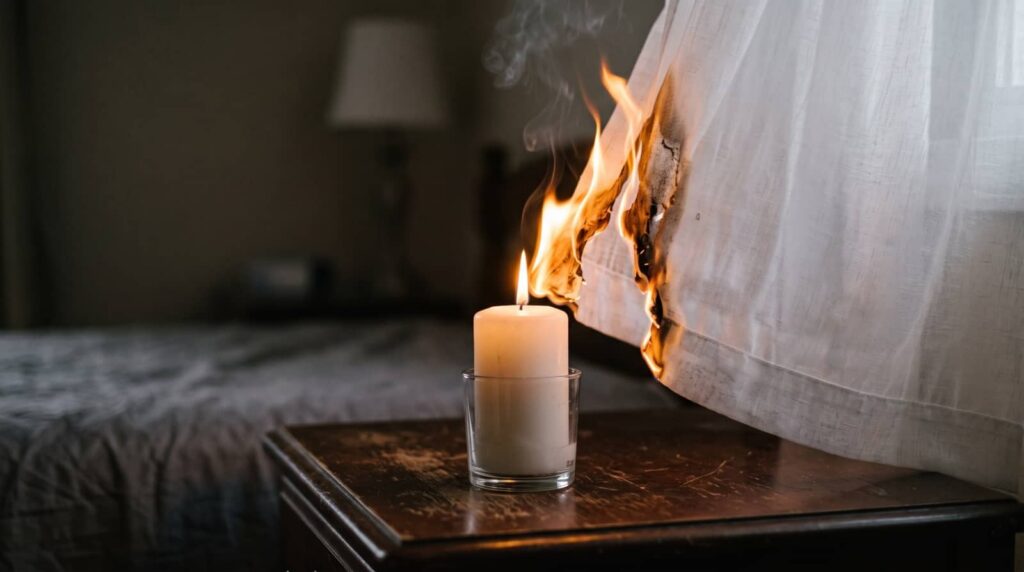
You may think smoke damage is only a surface problem, yet soot can keep spreading long after the fire is out. If you notice lingering odors, staining, or fine residue on walls, fabrics, or vents, you should know when to call a smoke damage restoration company and seek professional help right away. Early assessment helps limit hidden contamination, protect indoor air quality, and guide what can be cleaned versus replaced. What professionals find next often changes the scope completely.
Key Takeaways
- Call immediately when you see soot, smoke staining, or persistent odors after a fire.
- Contact professionals if smoke residue returns after cleaning or smears on surfaces.
- Seek help when odors, discoloration, or hidden contamination affect walls, vents, or contents.
- Call a restoration company right away to limit corrosion, odor absorption, and secondary damage.
- Choose trained experts if you need fast inspection, air filtration, and salvage of smoke-damaged items.
When to Call a Smoke Damage Restoration Company
If smoke has left soot, persistent odors, staining, damaged contents, or poor indoor air quality, you should call a smoke damage restoration company right away. You don’t need to wait for the problem to spread.
When to call smoke damage restoration company services becomes clear when residue settles on surfaces, odors linger after ventilation, or your belongings still smell after cleaning. A trained team can inspect affected areas, identify hidden contamination, and begin targeted remediation with the right equipment.
You’ll get a structured plan, clear communication, and support that helps you feel confident again. Acting early protects your space, reduces secondary damage, and gets you back into a cleaner, healthier environment with people who know exactly how to help.
What Smoke Damage Can Do to Your Home
Smoke damage can affect far more than what you see on the surface, because soot and acidic residues can settle into walls, ceilings, insulation, HVAC components, furniture, and fabrics.
You’re not facing a simple cleanup; you’re protecting your home’s structure and indoor environment. Smoke can weaken finishes, corrode metals, and compromise porous materials, so prompt restoration matters.
When you act quickly, you help your home recover with less disruption and more confidence.
- It can penetrate hidden cavities.
- It can degrade building materials.
- It can spread through ductwork.
- It can affect stored belongings.
You don’t have to manage that alone. A skilled restoration team can assess the damage, stabilize affected areas, and guide you toward a safer, cleaner home.
Signs of Soot, Odors, and Staining
Soot, lingering odors, and visible staining are some of the clearest signs that smoke damage has moved beyond the surface and into your home’s materials.
You may notice dark residue on walls, ceilings, vents, or trim, especially near airflow paths. A sharp, acrid smell that returns after cleaning usually means smoke particles remain embedded in porous surfaces.
Yellow, brown, or gray discoloration can also signal deeper contamination. If you wipe a surface and the residue smears or keeps reappearing, the problem likely needs professional treatment.
These signs tell you your home isn’t fully clean yet, and you’re not alone in facing that. A smoke damage restoration company can assess the extent, identify hidden affected areas, and restore a safer, fresher environment.
When to Clean Smoke-Damaged Contents
You should clean smoke-damaged contents as soon as you can identify what’s salvageable, since porous items and delicate materials can absorb soot and odors quickly.
A smoke damage restoration company can assess which contents can be recovered and when professional cleaning will prevent permanent staining, corrosion, or odor retention.
If you’re unsure, have the items evaluated before you attempt cleanup, because the right timing can make the difference between restoration and loss.
Salvageable Contents
When contents take on smoke, soot, or odor, a restoration company can determine which items are salvageable and what needs specialized cleaning. You’ll get a clear, item-by-item assessment that protects your belongings and your home environment.
Technicians consider material type, smoke exposure, finish condition, and absorbency before recommending action.
- Hard surfaces: metal, glass, and sealed wood often respond well.
- Fabrics: upholstery, drapes, and clothing may need odor removal.
- Electronics: components require careful inspection for residue.
- Sentimental items: photos, documents, and keepsakes may need specialized methods.
You don’t have to sort this out alone. With the right process, you can keep what still serves you, reduce contamination, and restore a sense of normalcy for your household.
Professional Cleaning Timing
Once you know which belongings can be saved, timing becomes the next priority because smoke residue keeps working on surfaces long after the fire is out.
You should arrange professional cleaning as soon as the area is safe, because soot is acidic and odors set deeper with every hour. The faster you act, the better your chances of protecting fabrics, electronics, documents, and finishes.
A smoke damage restoration company can triage contents, isolate fragile items, and choose the right method for each material.
Don’t wait for visible staining to spread or HVAC circulation to push particles farther. If you’re part of a home or business recovery team, prompt service helps everyone move forward together with fewer losses, less contamination, and a clearer path back to normal.
How Smoke Damage Affects Indoor Air
Smoke damage can quickly compromise indoor air by releasing fine soot particles, volatile compounds, and lingering odors that spread through HVAC systems and porous materials.
You may notice irritation, headaches, or a stale smell when you breathe. These contaminants don’t just sit on surfaces; they circulate and settle where your family lives, works, and gathers.
- Soot can stay airborne and irritate lungs.
- Odors signal trapped gases and residue.
- HVAC blowers can redistribute contamination.
- Hidden materials can off-gas long after flames are out.
When you address smoke damage early, you protect comfort and restore healthier air for everyone in your home.
You’re not overreacting—you’re taking the right step to help your household feel safe, supported, and at ease again.
How to Choose the Right Restoration Company
Choose a restoration company that holds recognized industry certifications, because they show the team follows tested smoke damage protocols.
You should also verify that the company has specific smoke remediation experience, since soot, odors, staining, and air quality issues require specialized methods.
Confirm their response time up front so you can get prompt mitigation before damage spreads further.
Assess Industry Certifications
Certifications act as a practical signal that a restoration company follows recognized standards for soot cleanup, odor removal, stain treatment, contents recovery, and indoor air concerns.
You can use them to narrow your options fast and feel confident you’re choosing a capable team. Look for current credentials from respected industry organizations and confirm they align with smoke damage work.
- Check whether the company lists active certifications.
- Verify the certifying body is nationally recognized.
- Ask if staff renews training on a set schedule.
- Compare certifications with the services you need.
When you see solid credentials, you’re joining a more reliable path to recovery.
That matters when you want your space restored with care, precision, and professional accountability.
Verify Smoke Expertise
Because smoke damage affects far more than visible soot, you should verify that the restoration company has direct experience handling odor control, residue removal, staining, contents cleaning, and indoor air quality concerns.
Ask how they identify protein, wet, or dry smoke and match each surface to the right cleaning method. You want technicians who use HEPA filtration, hydroxyl or ozone treatments when appropriate, and pH-tested detergents that won’t set stains.
They should explain how they protect textiles, electronics, HVAC systems, and porous materials. A seasoned team will document losses, isolate unaffected items, and communicate clearly so you feel informed, respected, and supported.
When you work with specialists who truly know smoke behavior, you’re not just hiring cleanup help—you’re joining a team that can restore your space with confidence.
Confirm Response Time
How fast can a restoration team get to you when smoke is still spreading through your home? You need a company that answers with a clear dispatch window, not vague promises.
Rapid arrival limits soot migration, odor absorption, and corrosion, and it helps you feel supported when things are chaotic. Ask for these specifics:
- Average emergency response time
- 24/7 availability and after-hours crews
- Geographic coverage in your neighborhood
- On-site ETA updates by phone or text
A reliable team will explain how quickly they can inspect, stabilize, and start air filtration.
When you confirm response time, you choose a partner who protects your home and welcomes you into a crew that moves fast, communicates plainly, and treats your loss with care.
Frequently Asked Questions
How Quickly Should Smoke Damage Be Addressed After a Fire?
You should address smoke damage immediately, ideally within hours. You can prevent soot from etching surfaces, odors from setting, and air quality from worsening. Quick action helps protect your home, belongings, and health.
Can Smoke Damage Spread to Rooms Untouched by Flames?
Yes—smoke can seep into untouched rooms, like ink wicking through paper. You’ll often find soot, odors, and air contamination there, so you should assess hidden damage quickly and restore the whole space.
Will Insurance Cover Professional Smoke Damage Restoration Services?
Usually, you’ll get coverage if your policy includes smoke damage and the loss was sudden and accidental. You should file promptly, document everything, and let a professional help you navigate adjusters, scope, and cleanup.
How Long Does Smoke Odor Removal Usually Take?
Smoke odor removal can feel endless, but you’ll usually need a few hours to several days. You’ll see faster results with light odor, while deep soot, porous materials, and HVAC contamination can stretch treatment longer.
Can I Stay in My Home During Smoke Restoration?
You can sometimes stay, but you shouldn’t if soot, odors, or air quality issues remain. You’ll need temporary relocation when crews remove contamination, clean contents, or use strong equipment that makes areas unsafe or uncomfortable.
Summary
When you spot soot, smell stubborn smoke, or see staining, call a smoke damage restoration company without delay. You protect your home, preserve your contents, and prevent particles from spreading through your air and surfaces. Skilled specialists use precise inspections and professional equipment to target hidden damage fast. Act now, and you’ll reduce risk, restore indoor air quality, and regain control. Quick, qualified care brings calm, clears contamination, and curbs costly complications.