
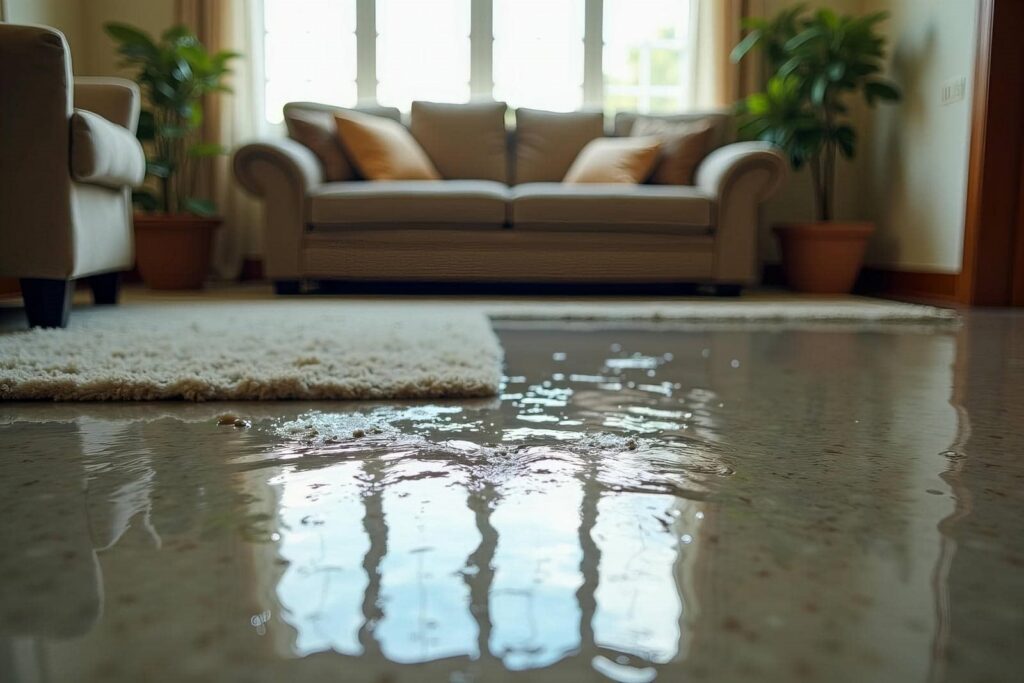
When your carpet is soaked, you need to act fast because every hour increases the risk of padding failure, odor, and mold. You can often save the carpet if you extract the water quickly, move air across the surface, and lower humidity. But if the carpet feels spongy, stays wet, or the padding is saturated, the decision shifts. What you can’t ignore next is how long the water has been sitting.
Key Takeaways
- Identify the water source and contamination level before deciding on emergency water removal.
- Extract water quickly if the carpet is wet for hours, covering a large area, or feels spongy.
- Lift carpet edges to check padding and subfloor, since saturated padding often needs removal.
- Use extraction, air movement, and dehumidification together to limit wicking, odors, and mold risk.
- Call for professional help when moisture spreads, odors persist, or the carpet keeps rewetting.
How to Triage Carpet After Water Damage
After water soaks a carpet, you need to triage it quickly to decide whether drying, extraction, or replacement is the right next step.
First, identify the water source and how long the carpet stayed wet. Clean supply water may allow emergency water removal for soaked carpet and fast drying.
If the water is dark, contaminated, or has soaked through subflooring, you’ll need a stricter response. Check for buckling, delamination, and heavy saturation at the backing.
Feel the padding; if it’s crushed or waterlogged, you may need removal. Measure moisture in the carpet and nearby baseboards so you can compare affected zones.
Act fast, document conditions, and coordinate with your restoration team so you can protect the space and keep the process manageable.
What Emergency Water Removal Can Save
Emergency water removal can save the carpet itself, the backing, and, in some cases, the padding if you extract water quickly enough.
You also protect the adhesive layer and reduce fiber distortion, so your carpet keeps its structure and fit.
When you remove standing water fast, you limit wicking into the subfloor and cut the chance of lingering odors that make a room feel off.
Quick extraction also lowers mold risk by shrinking the wet time that microbes need to spread.
If you act early, you’re helping your home stay livable, and you’re protecting the shared spaces you care about.
That matters because a dry, stable carpet supports comfort, cleanliness, and confidence after a leak or overflow.
When to Call for Emergency Water Removal
You should call for emergency water removal as soon as the carpet stays wet beyond a few hours, the water covers a large area, or you can’t fully extract it with standard equipment. Acting fast keeps you in control and helps your team restore the space before conditions worsen.
Call right away when:
- water keeps returning after vacuuming
- you smell a musty odor
- the source is unknown or still active
- the carpet feels saturated underfoot
- moisture spreads into adjacent rooms
You don’t need to guess when the situation crosses the line. If drying tools aren’t lowering moisture quickly, bring in pros with extraction and monitoring gear.
That decision protects your home, reduces disruption, and gets everyone back to normal sooner.
How Padding Damage Changes the Plan
Once padding gets soaked, the drying plan changes because carpet fibers may dry faster than the underlayment beneath them.
You can’t treat the surface as the whole problem; moisture often stays trapped below, where airflow and evaporation work slowly.
You should lift a corner, inspect the pad, and test the subfloor before deciding on simple drying or full removal.
If the pad feels saturated or compressed, you’ll usually need to remove it so you can dry the carpet and structure separately.
That step helps you avoid hidden damp zones and gives your team a cleaner path to recovery.
Use extraction, air movement, and dehumidification together, and track moisture readings until materials return to safe levels.
Why Wet Carpet Starts Smelling
When carpet stays wet, trapped moisture feeds bacteria, mildew, and other odor-causing growth, especially in the backing and padding where airflow is limited. You’ll notice the smell build as warm rooms, dirt, and organic residue give microbes a steady food source.
Water wicks through fibers, so the top may feel dry while deeper layers still hold moisture. That’s why the odor can seem sudden, then linger.
- Damp fibers trap dissolved soil and spills.
- Padding holds moisture longer than face yarns.
- Stagnant air slows evaporation.
- Warmth speeds microbial activity.
- Rewetting can intensify the smell.
You’re not dealing with a cleaning issue alone; you’re dealing with moisture control. Fast extraction, strong drying, and good airflow help you stay ahead of the odor and keep your space comfortable.
When Mold Risk Means Replacement
If soaked carpet stays wet long enough for mold to colonize the backing or padding, replacement is often the safest call.
You can’t reliably clean hidden growth once it reaches porous materials, and drying alone won’t reset that risk. If you notice persistent musty odor, visible staining, delamination, or soft, spongy padding, treat the carpet as compromised.
Water extraction helps early, but after 24 to 48 hours, mold can spread fast in warm, closed rooms. You protect your home better by removing contaminated carpet, pad, and sometimes tack strips, then cleaning the subfloor.
That choice also helps your crew avoid repeat callbacks and protects everyone sharing the space. When you act decisively, you restore a healthier room faster and with fewer surprises.
Frequently Asked Questions
How Quickly Should Soaked Carpet Be Assessed After Flooding?
You should assess soaked carpet immediately, ideally within 24 hours, because you’ll limit padding damage, odors, and mold growth. Act fast, document moisture levels, and start extraction so you can protect your space and belongings.
Can Emergency Water Removal Protect Subflooring From Damage?
Yes—emergency water removal can shield your subflooring from swelling, seepage, and structural stress. You’ll stop saturation quickly, reduce mold risk, and protect the surface beneath your carpet before costly damage spreads.
Does Carpet Material Affect Recovery After Water Exposure?
Yes—your carpet’s material greatly affects recovery after water exposure. You’ll usually salvage synthetic fibers faster than natural ones, while padding, backing, and dye stability also change drying time, odor risk, and mold potential.
Are Area Rugs Treated Differently Than Wall-To-Wall Carpet?
Yes, you’ll usually treat area rugs differently. You can lift, clean, and dry them separately, while wall-to-wall carpet needs in-place extraction, padding checks, and structural drying to reduce odors and mold risk.
What Equipment Is Used During Emergency Carpet Drying?
You’d use water extractors, air movers, dehumidifiers, and moisture meters. Technicians also may deploy carpet wands, weighted extraction tools, and antimicrobial sprayers, helping you dry faster, limit padding damage, and reduce odor or mold risk.
Recap
If your carpet is soaked, act fast: extract water, circulate air, and dehumidify right away. You can often save the carpet if it has been wet only a few hours and the padding is still intact. If it feels spongy, smells bad, or shows mold risk, call for emergency water removal or replace it. Time is money, and every hour counts when water damage threatens your flooring.