
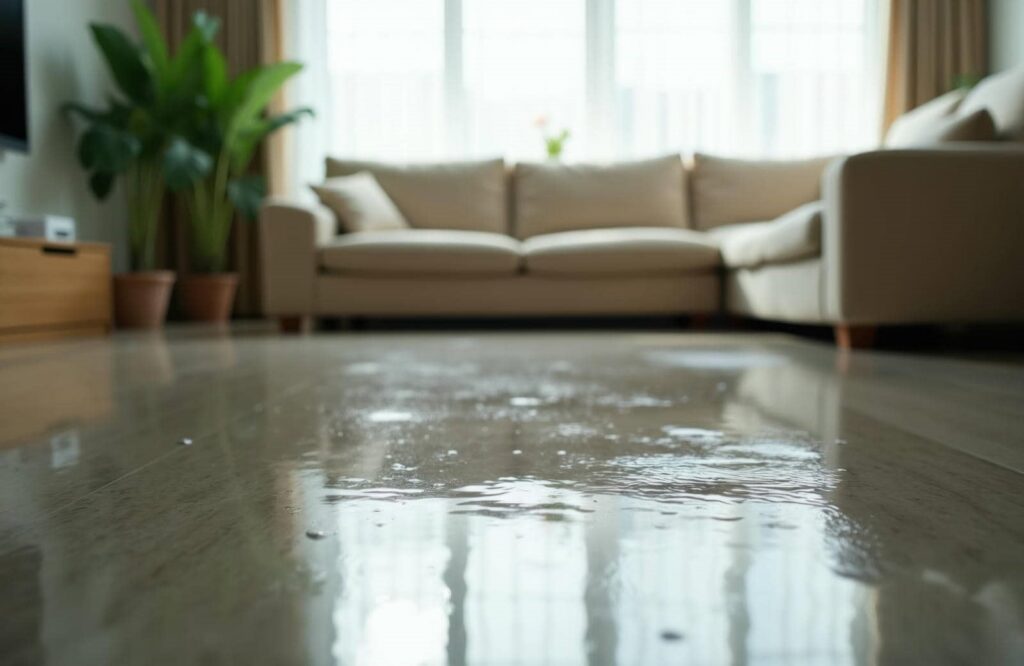
Mold can begin growing within 24 to 48 hours after water exposure, so every hour you wait increases the risk. When you remove standing water fast, you limit how far moisture spreads into drywall, insulation, and subfloors. That cuts off the damp conditions mold needs to take hold, but the biggest difference often comes from what you dry first and how soon you start.
Key Takeaways
- Fast water removal lowers moisture levels before mold can colonize, which can begin within 24 to 48 hours.
- Removing standing water quickly prevents it from spreading into drywall, insulation, carpet padding, and subfloors.
- Early drying reduces hidden damp zones caused by capillary action, gravity, and airflow.
- Fans, dehumidifiers, and ventilation speed evaporation and help stop mold-friendly humidity from lingering.
- Rapid cleanup limits musty odors, staining, and other early signs of mold growth, reducing damage and cleanup costs.
Why Fast Water Removal Stops Mold
When water sits after a flood, leak, or burst pipe, mold can start growing within 24 to 48 hours, so fast removal is critical. You protect your property by acting immediately with fast water removal to prevent mold.
Remove standing water, extract soaked materials, and dry affected surfaces with fans and dehumidifiers. You’ll lower the moisture level mold needs to colonize and spread. Quick response also helps you keep shared spaces healthier for everyone in your home or building.
Check carpets, baseboards, drywall, and hidden cavities for trapped dampness, since mold often starts where you can’t see it. If you move fast, you reduce cleanup costs, limit damage, and give your space a better chance to recover without lingering odors or contamination.
How Moisture Spreads After Water Damage
Water doesn’t stay put after damage; it spreads through porous materials, along seams, and into hidden spaces through capillary action, gravity, and airflow.
You’ll often see surface water only where the incident started, but moisture can wick into drywall, insulation, subfloors, and framing within minutes.
Air movement can carry humidity into adjacent rooms, while gravity pulls water downward into cavities and lower levels.
Even small leaks can travel behind baseboards and under flooring, creating damp zones you can’t see.
You need to think like a team protecting the whole structure: measure beyond the obvious wet area, track moisture paths, and act fast.
The sooner you interrupt spread, the less time mold has to settle in and claim hidden materials.
What to Dry First After Flooding
Start by drying the materials that trap moisture and support mold growth fastest: wet drywall, insulation, carpet padding, baseboards, and subflooring.
You should remove standing water first, then open up these materials so air can reach hidden layers. Pull up soaked carpet and padding, and cut out damaged drywall at least 12 inches above the water line if needed.
Use fans, dehumidifiers, and ventilation together to move damp air out of the space.
Dry wood framing, cabinets, and furniture after the high-risk materials. Work room by room so your team can stay organized and keep control of humidity.
If you keep moisture from lingering in porous materials, you lower the chance that everyone in the home will deal with avoidable cleanup later.
Signs Mold Is Starting to Grow
Early mold can show up as a musty odor, dark speckling on wet surfaces, or a slimy film on drywall, wood, and insulation. You should watch for these early cues after water exposure, because mold can start in 24 to 48 hours.
Check areas with trapped moisture, like corners, behind baseboards, under flooring, and inside closets. If you notice staining that spreads, soft material, or peeling paint, treat it as a warning sign. Acting quickly helps you stay ahead of the problem and protect your space.
- A damp basement with a sour smell
- Black dots on a white ceiling
- Fuzzy patches on cardboard boxes
- Warped trim with a sticky sheen
When you spot these changes, you’re not overreacting—you’re protecting your home and your people.
How Pros Stop Mold After Water Damage
When mold risk is high after water damage, pros move fast to remove moisture, dry materials, and stop spores from spreading.
You’ll see them extract standing water, then place air movers and dehumidifiers to pull hidden dampness from walls, floors, and framing. They check humidity, temperature, and moisture levels with meters, so they can verify drying instead of guessing.
If porous materials stay soaked, they’ll remove them before mold roots in. They also isolate affected areas with containment and use HEPA filtration to capture airborne spores.
After drying, they clean and disinfect surfaces, then inspect for any remaining growth.
You get a safer, cleaner space because they act quickly, work methodically, and keep your home’s moisture under control.
Frequently Asked Questions
How Soon Should I Call for Water Removal After Flooding?
Call within hours ideally immediately. You’ll reduce structural damage, limit contamination, and help your space dry before problems spread. If water sits overnight, you’re already increasing cleanup costs and health risks fast.
Can Hidden Moisture Cause Mold in Walls and Ceilings?
Yes, hidden moisture can cause mold in walls and ceilings. You’ll trap dampness inside materials, and mold can grow quickly. Inspect cavities, dry them fast, and call a professional if stains, odors, or softness appear.
Do Dehumidifiers Help Prevent Mold After Water Damage?
Yes, dehumidifiers help prevent mold after water damage by lowering humidity and speeding drying. You’ll reduce moisture in materials, limit fungal growth, and support restoration efforts, but you still need prompt water extraction and ventilation.
Is It Safe to Stay Home During Water Cleanup?
Usually, no you shouldn’t stay home during water cleanup. You’ll face slip hazards, electrical risks, and contaminated air. Leave if sewage, structural damage, or mold’s suspected; return only when professionals confirm it’s safe.
How Long Does It Take for Mold to Appear After Water Exposure?
Mold can appear within 24 to 48 hours after water exposure. You should dry materials fast, remove standing water, and improve airflow so you can protect your space, belongings, and everyone’s health.
Review
Fast water removal keeps mold from getting a foothold. If you act within the first 24 to 48 hours, you cut off the moisture mold needs to colonize. I once saw a soaked basement dried the same day, and it stayed clean; a neighboring one waited two days and needed full remediation. Think of water like a lit fuse: the faster you snuff it out, the less damage it can ignite.