
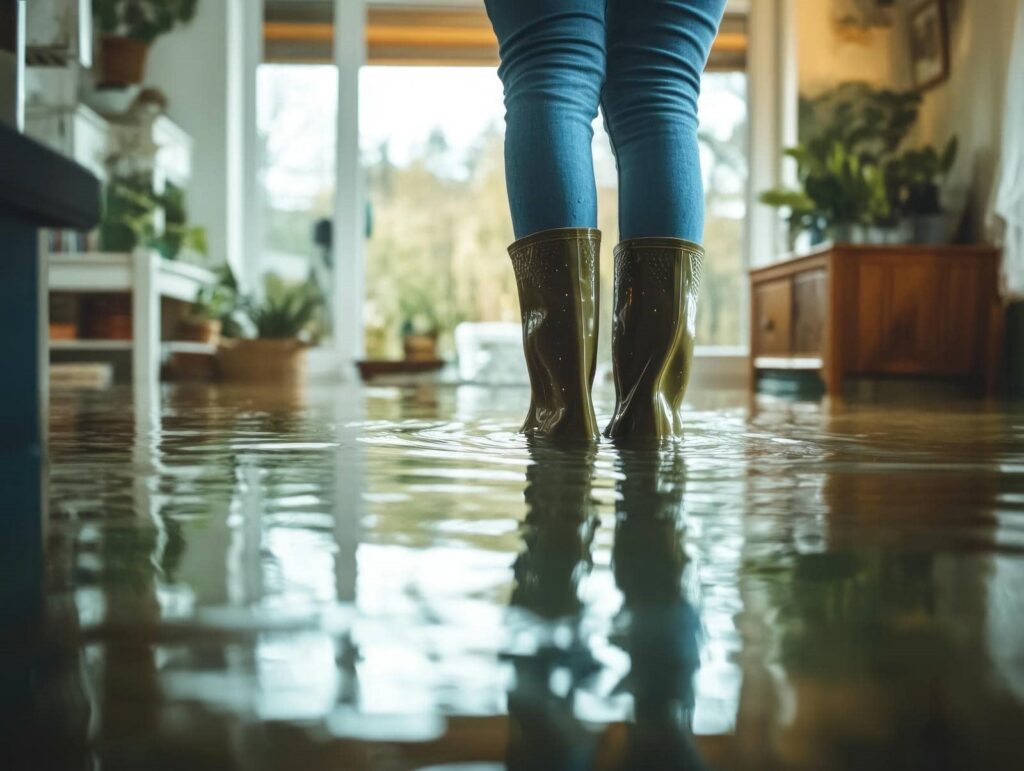
When you face water damage, you need a clear process that starts with finding the source and evaluating the affected areas. You then stop the water, protect the property, extract standing water, and begin drying immediately. From there, you clean contaminated materials, repair structural damage, and monitor moisture to reduce mold risk. The final steps can determine whether the restoration holds up over time.
Key Takeaways
- Inspect the damage, identify the water source, and document moisture levels with photos and notes.
- Stop the water source and protect valuables, electronics, and unaffected areas from further damage.
- Extract standing water quickly, then dry affected materials using airflow, dehumidifiers, and antimicrobial cleaning.
- Repair structural damage after full drying, replacing compromised drywall, insulation, flooring, and framing as needed.
- Finish with a final inspection to confirm dryness, sanitation, and successful restoration before handoff.
Inspect the Damage and Find the Source
Before restoration can begin, you need to inspect the damage and identify the water source. You’ll document affected rooms, materials, and moisture levels so your water damage restoration process starts with accurate data.
Check walls, floors, ceilings, insulation, and hidden cavities for staining, swelling, warping, or microbial growth. Use a moisture meter and thermal imaging to map spread without opening unnecessary areas.
Trace the source to a supply line, roof leak, appliance failure, or intrusion point. Verify whether the water is clean, gray, or contaminated, because that changes the response.
Record photos, notes, and readings to guide the team’s plan. When you assess carefully, you help protect your property and stay connected to a clear, professional recovery path.
Stop the Water and Protect the Property
You should shut off the water source immediately to stop active intrusion and limit spread.
Move valuables, electronics, and documents to a dry area as fast as you can.
Then use temporary barriers or coverings to protect surfaces and reduce further damage until restoration begins.
Shut Off Water Source
Immediately stop the water at its source to limit further damage and make the area safer. You should locate the main shutoff valve and turn it clockwise until it stops.
If a fixture leaks, close the supply valve near that sink, toilet, or appliance. When you can’t identify the source, shut off the main line at the meter or entry point.
If you suspect a hot-water issue, switch off the water heater to reduce pressure and prevent overheating. Avoid forcing corroded valves; use steady pressure instead.
After the flow stops, check connected rooms for active seepage, then keep people away from wet electrical areas. Acting quickly helps your restoration team work from a controlled, stable environment and keeps your property’s damage from spreading further.
Secure Valuables Fast
With the water shut off, move quickly to protect valuables and limit secondary losses. Start by collecting essential documents, electronics, medications, jewelry, and family keepsakes. Place them in dry, elevated areas, or carry them to a safe room.
If items are already damp, handle them with clean gloves and separate them to reduce contamination. Take quick photos of affected belongings before you relocate them, so you’ve got a clear record for your claim and your team.
Remove lightweight rugs, pillows, and loose textiles if you can do it safely. Close drawers and cabinets to shield contents from moisture and debris.
Work methodically, move with purpose, and keep pathways clear. By acting fast, you protect what matters and support a smoother restoration for everyone involved.
Prevent Further Damage
Once the valuables are secure, shut off the main water supply and disconnect power to affected areas if it’s safe to do so.
Then, stop the source of intrusion, such as a burst line or overflow, to limit spread. Move lightweight furniture, rugs, and electronics to dry space, and lift items onto blocks or foil if you can’t relocate them.
Use towels, mops, or a wet vacuum to remove standing water from floors and baseboards. Open windows and interior doors to improve airflow, but keep exterior openings closed if humidity is high.
Place aluminum foil or plastic between wet materials and wooden furniture legs. Document the damage with photos for your claim.
Acting quickly helps your crew protect your home, reduce losses, and restore your space with less disruption.
Extract Standing Water
Standing water must be removed as quickly as possible to limit further damage and reduce the risk of mold growth. You’ll usually start with pumps, wet vacuums, and extraction tools sized to your affected area.
Technicians check the water source, then remove water from floors, carpets, subfloors, and low spots in a controlled sequence. This helps you protect materials that can still be saved and keeps contamination from spreading.
You’ll also see crews move carefully around outlets, baseboards, and hidden pockets where water collects. Fast extraction improves access for the rest of the restoration team and keeps your property on track.
When you act quickly, you’re not just reducing loss—you’re joining a process built to restore your space efficiently and safely.
Dry the Space and Remove Moisture
After extraction, you need to dry the structure and remove hidden moisture to stop ongoing damage.
You’ll use air movers, dehumidifiers, and controlled ventilation to pull moisture from walls, floors, and framing. Aim airflow at damp surfaces so evaporation speeds up, then let the dehumidifier capture that vapor before it settles again.
Check baseboards, cavities, and subfloors with a moisture meter to confirm readings are dropping. Keep indoor humidity low and maintain steady temperature for efficient drying.
You should document progress at each visit and adjust equipment placement when conditions change. If you act quickly and stay systematic, you protect structural materials, reduce the chance of secondary damage, and keep your home on track for a safe, complete restoration.
Remove Debris and Clean Contaminated Areas
Clear out damaged materials and clean contaminated surfaces before repairs begin. You should remove wet drywall, soaked insulation, warped trim, and loose debris so hidden contamination can’t spread. Bag and dispose of waste according to local rules, and keep pathways clear for safe access.
Next, clean hard surfaces with approved detergents to lift dirt, residue, and biofilm. Then apply an EPA-registered disinfectant to affected areas, following label dwell times so it works correctly. Scrub corners, seams, and low points where contaminants collect. Use fresh cloths and clean tools to avoid cross-contamination.
If you’re part of a restoration team, consistent cleanup helps everyone work efficiently and safely. Finish by inspecting the area for remaining stains, odors, or residue before moving to repairs.
Salvage Contents and Personal Belongings
You should assess each item for water exposure, contamination, and material sensitivity to determine whether it can be saved.
Prioritize contents restoration by separating salvageable belongings from unsalvageable ones and documenting their condition.
Then clean, disinfect, and dry approved items using methods matched to the material type and damage level.
Item Assessment
A rapid item assessment helps identify which contents and personal belongings can be salvaged, cleaned, or must be discarded. You’ll want to document each item’s condition, material, and contamination level before moving anything. This step helps you protect what matters and keep your space organized during recovery.
Check structural integrity and visible staining
Separate dry items from wet items
Record high-value or sentimental belongings
You should tag items that need immediate attention and note any sharp odors, mold growth, or warping. Use gloves and caution when handling fragile pieces, especially when moisture has spread through packaging or upholstery.
Clear labeling and inventory tracking reduce loss and help you feel more in control. With a fast, methodical review, you can make confident decisions and preserve the belongings that still belong in your life.
Contents Restoration
Once items have been assessed, contents restoration begins with stabilizing salvageable belongings so moisture, contamination, and corrosion don’t cause further loss.
You’ll see technicians separate items by material, value, and contamination level, then move them to a clean staging area.
They’ll dry fabrics, paper, and porous goods with controlled airflow and desiccants, while cleaning hard surfaces with approved antimicrobial solutions.
Electronics, documents, and heirlooms may need specialized drying, freeze-drying, or odor removal.
You should expect detailed inventory tracking so nothing’s misplaced during handling.
When the process is done well, your possessions aren’t just cleaned; they’re returned to a safe, familiar condition that helps restore normal life.
This careful work protects what matters most and supports your recovery.
Repair Structural Water Damage
Structural water damage repair begins after the affected area is fully dried and inspected, so technicians can identify compromised framing, drywall, subflooring, insulation, and other building materials.
You’ll remove damaged sections, then replace them with code-compliant materials that match the original assembly. Your crew may sister joists, reinforce studs, patch sheathing, or install new drywall to restore load paths and finish surfaces.
- Replace warped framing members
- Install new subfloor or underlayment
- Rebuild walls, ceilings, and trim
You’ll also verify that fasteners, joints, and supports are secure before closing the structure.
Clear communication helps you stay confident throughout the rebuild, and it keeps everyone aligned on scope, timing, and quality.
Monitor Moisture and Prevent Mold
You should check moisture levels in walls, floors, and framing with a meter until readings return to normal.
You should control indoor humidity with dehumidifiers and ventilation to keep damp conditions from lingering.
You should also watch for early mold growth and address any visible or hidden colonies immediately.
Moisture Level Checks
Moisture checks should continue throughout the restoration process to confirm materials are drying at the right rate and to reduce the risk of mold growth. You’ll use moisture meters to compare affected areas against dry standards and track progress daily. This helps you verify that drywall, framing, and subfloors are responding as expected.
When readings stay elevated, you can adjust your drying plan before hidden damage spreads.
- Check multiple points in each room.
- Record readings on every visit.
- Compare surface and deep material moisture.
These measurements give you a clear baseline and keep your team aligned on what’s drying and what isn’t. By staying consistent, you’ll protect the structure, support faster recovery, and feel confident that your property’s restoration is moving in the right direction.
Humidity Control Measures
As drying equipment runs, keep indoor humidity in the target range so materials can release moisture without creating conditions that support mold.
You should place a hygrometer in the affected zone and check readings several times a day. Aim for stable conditions, because swings can slow drying and leave hidden dampness in framing, subfloors, and wall cavities.
If humidity climbs, increase ventilation, adjust dehumidifier settings, or reposition air movers to improve air exchange. Keep doors and windows managed as the drying plan requires, since outside air can raise moisture levels.
Track each reading with the corresponding temperature and equipment status so you can spot patterns fast. When levels stay controlled, your restoration team can move with confidence through the next phase, and your space stays on a cleaner, safer path.
Mold Growth Prevention
With moisture under control, the next priority is preventing mold before it starts. You need to keep indoor surfaces dry, because mold can begin within 24 to 48 hours after water exposure.
Inspect hidden spaces, including wall cavities, baseboards, and under flooring, where dampness lingers. Use meters to verify that materials return to normal moisture levels before you close them up. If you spot any musty odor, discoloration, or soft drywall, act fast and remove affected material.
- Run dehumidifiers until humidity stays below 60%.
- Improve airflow with fans and open pathways.
- Seal repaired areas only after testing confirms dryness.
When you monitor moisture closely, you protect your space, reduce risk, and stay with a team that gets restoration done right.
Restore Damaged Materials and Finishes
Once the structure is dry and clean, you can begin restoring damaged materials and finishes by evaluating what can be repaired, refinished, or replaced. You’ll inspect drywall, insulation, trim, flooring, cabinets, and paint for swelling, delamination, staining, or structural weakness.
Salvageable surfaces can be sanded, patched, sealed, and repainted to match the surrounding area. If flooring has cupped, warped, or separated, you may need to reset boards or install new sections.
Replace porous materials that stayed saturated too long, since they can trap contaminants and lose integrity. Use compatible primers, sealants, and finishes to support adhesion and durability.
Work methodically so each repair blends cleanly with the rest of your space, helping your property feel whole again and ready for everyday use.
Complete the Final Inspection
Before you close out the job, complete a final inspection to confirm the property is fully dry, clean, and safe.
You verify moisture readings in affected materials, check airflow paths, and confirm dehumidifiers have reached target levels.
Then you inspect walls, floors, trim, and hidden cavities for any lingering dampness, staining, or odor.
You also review repairs and sanitation so the space feels reliable again for everyone who returns.
- Compare readings to baseline documentation
- Test outlets, fixtures, and appliances as needed
- Walk the site with the owner and explain findings
If you spot any issue, you address it before handoff.
This final pass helps you protect the property, support the team, and give the homeowner confidence that the restoration is complete.
Frequently Asked Questions
How Much Does Water Damage Restoration Usually Cost?
You’ll usually pay $1,200 to $5,000, though minor drying may cost less and major structural repairs more. Your final bill depends on damage extent, water type, affected materials, and how quickly you act.
Does Insurance Cover All Types of Water Damage?
No—your insurer’s crystal ball isn’t magic; you’ll usually get sudden, accidental leaks, not floods or neglect. You’ll need your policy reviewed, because exclusions, deductibles, and endorsements decide what you’re actually covered for.
How Long Does the Restoration Process Typically Take?
Typically, you’ll need 3-7 days for drying and initial restoration, but full repairs can take 1-3 weeks or longer depending on damage, materials, and how quickly you start mitigation and cleanup.
Can I Stay in My Home During Restoration?
Yes, you can stay if damage is limited and the area’s safe, but you’ll need to avoid work zones. You may need temporary relocation during demolition, drying, or contamination cleanup.
What Should I Do Immediately After Discovering Water Damage?
Like a fire alarm in your walls, you should shut off water, stop electricity if safe, document damage, and call a restoration pro right away. Move valuables, ventilate, and start drying to protect your home and peace.
Summary
By following this process, you can restore water-damaged property with precision and speed. You inspect the source, stop the leak, extract standing water, and dry every affected surface. Then you clean contamination, repair structural damage, and monitor moisture to prevent mold. Finally, you restore finishes and complete a final inspection. When you stay methodical, you don’t just fix damage—you prevent a small disaster from becoming a monstrous, costly loss.