
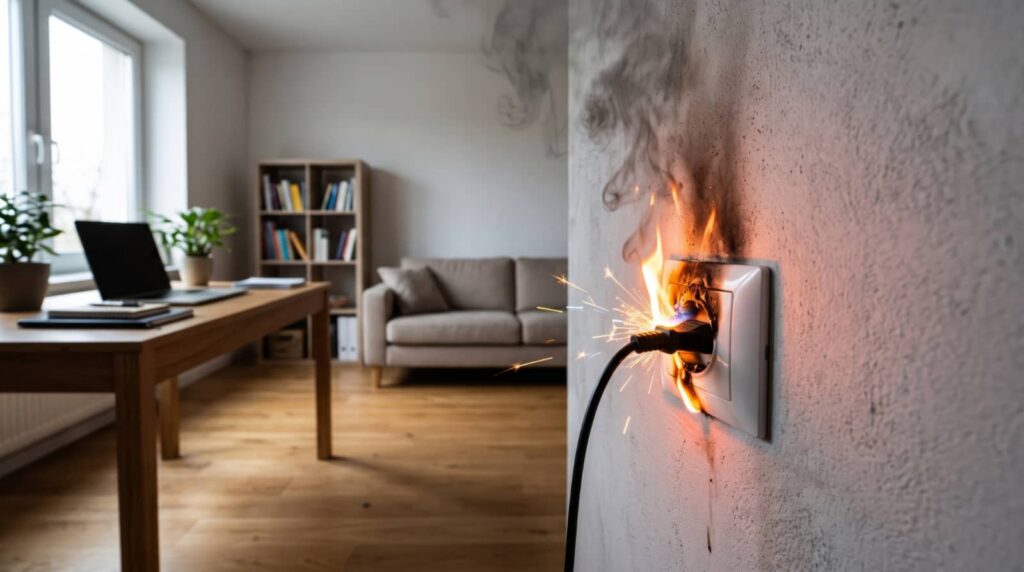
After fire damage, you may find that smoke odor stays long after the visible cleanup is done. That’s because soot and odor molecules can settle into walls, flooring, ducts, and contents, making simple ventilation ineffective. A proper removal plan targets every contaminated surface and the air system itself, using specialized methods to neutralize residue and restore indoor air quality. The key is knowing which materials can be saved—and which ones can’t.
Key Takeaways
- Smoke odor lingers because particles penetrate drywall, insulation, fabric, wood, and HVAC pathways.
- Professional assessment maps hidden contamination and identifies all odor sources before treatment begins.
- Walls, floors, and other porous surfaces need thorough cleaning, deodorizing, and sometimes sealing.
- HVAC vents, ducts, and contents must be cleaned to prevent smoke particles from recirculating indoors.
- Persistent odors may require advanced treatments like thermal fogging, hydroxyl, ozone, or encapsulant coatings.
Why Smoke Odor Lingers After a Fire?
Smoke odor lingers after a fire because smoke particles penetrate porous materials and settle deep into surfaces, ducts, and contents.
You may notice the smell in drywall, insulation, fabric, wood, and HVAC pathways long after visible damage seems gone.
Heat can also create acidic residues that bond to finishes and keep releasing odor compounds as temperatures and humidity change.
That’s why smoke odor removal after fire often requires more than airing out a space.
You’re not dealing with a simple smell; you’re dealing with contamination that spreads through hidden cavities and shared air routes.
When you understand this, you can make informed decisions and feel confident that your property’s recovery is moving in the right direction with your community’s support.
How Professional Smoke Odor Removal Works
Professionals start by identifying the full extent of smoke contamination, because effective odor removal depends on more than surface cleaning. You’ll get a tailored plan that targets odor-causing particles trapped in contents, HVAC pathways, and hidden cavities.
Technicians then use specialized methods to neutralize residues and restore indoor air quality, so your space feels safe again and you can settle back in with confidence.
- A technician mapping contamination with inspection lights and moisture meters
- Air scrubbers pulling smoky haze through HEPA filtration
- Thermal fogging reaching tight spaces with odor-neutralizing vapor
Throughout the process, you’ll stay informed, and the crew will adjust treatment as conditions change. That means you’re not guessing; you’re part of a clear, organized recovery effort designed to bring your property back to a clean, livable condition.
Smoke Odor Removal for Walls and Floors
Once the overall odor source is mapped, technicians focus on the surfaces that hold smoke the longest: walls and floors.
You’ll see them test finishes, then clean each material with the right detergent, dry sponge, or low-moisture method. They remove soot before it bonds deeper, because porous drywall, trim, tile grout, and subflooring can trap odor in tiny pores.
If needed, they apply sealers or encapsulants to lock in residues and create a stable surface for later repairs. This process protects your property and helps your space feel normal again.
You’re not dealing with this alone; a skilled team works systematically so every room gets the same careful attention, and your home can move toward a cleaner, fresher recovery.
How to Clean Contents, Ducts, and Indoor Air
After the walls and floors are addressed, technicians turn to the items and systems that keep odor circulating: contents, ductwork, and indoor air.
You’ll see each salvageable item cleaned, wiped, or deodorized with methods matched to its material, so residue doesn’t reattach. Vents, returns, and registers get vacuumed and wiped, then the HVAC path is serviced to reduce trapped soot.
Air scrubbers and filtration help pull lingering particles from shared rooms, giving you a cleaner baseline.
- Soft furnishings wrapped for controlled cleaning
- Supply vents restored to a dust-free finish
- Filtered air moving through occupied spaces
This process helps your space feel like yours again, with a fresher scent and safer airflow.
When Smoke Odor Needs Special Treatment
When smoke has penetrated porous materials, hidden cavities, or HVAC components, standard cleaning may not be enough.
You may need advanced treatment when odors persist after surface washing, when soot has bonded to drywall, insulation, or framing, or when smoke traveled through ducts and returns rooms.
In these cases, you and your restoration team can use targeted methods such as hydroxyl, ozone, thermal fogging, or sealing coatings, depending on the material and contamination level.
You’ll also benefit from careful source tracing, because odor often hides where airflow slowed or moisture collected.
With the right plan, you’re not alone in this process; your space can feel normal again.
Specialized treatment protects indoor air quality, supports full recovery, and helps your property truly feel like home again.
Frequently Asked Questions
How Long Does Smoke Odor Removal Usually Take?
You’ll usually need a few hours to several days, depending on damage severity, materials affected, and ventilation. You can expect professionals to inspect, clean, treat surfaces, and retest until odors fade and your space feels normal.
Is Smoke Odor Removal Covered by Insurance?
Yes—often, if your policy covers fire damage, smoke odor removal may be included. You’ll need to review your limits, deductible, and exclusions, then document damage quickly; your insurer can guide approved restoration steps.
Can I Stay in My Property During Treatment?
You can sometimes stay, but you’ll usually need to leave during odor treatment because crews may use sealants, fogging, or ozone. Your technician’ll confirm safety, timing, and any room restrictions before work starts.
When Can Belongings Be Safely Returned After Cleaning?
Once the haze clears, you can return belongings after they’re fully cleaned, deodorized, and verified dry, usually after final inspection. You’ll get clearance only when contamination’s gone—no need to wait like a medieval knight.
How Much Does Professional Smoke Odor Removal Cost?
You’ll usually pay $200 to $1,500, depending on damage size, materials, and treatment methods. You can expect higher costs for duct cleaning, ozone, and contents restoration, but professionals will assess your needs and guide you.
Conclusion
Smoke odor doesn’t just fade on its own; it can cling to your property like an unwelcome shadow. By addressing porous materials, HVAC pathways, and contaminated contents, you give your space the thorough treatment it needs. Professional methods such as thermal fogging and air scrubbing help neutralize stubborn residues and restore cleaner indoor air. If the damage is extensive, you’ll need specialized care to fully eliminate hidden odors and protect your property’s comfort.