
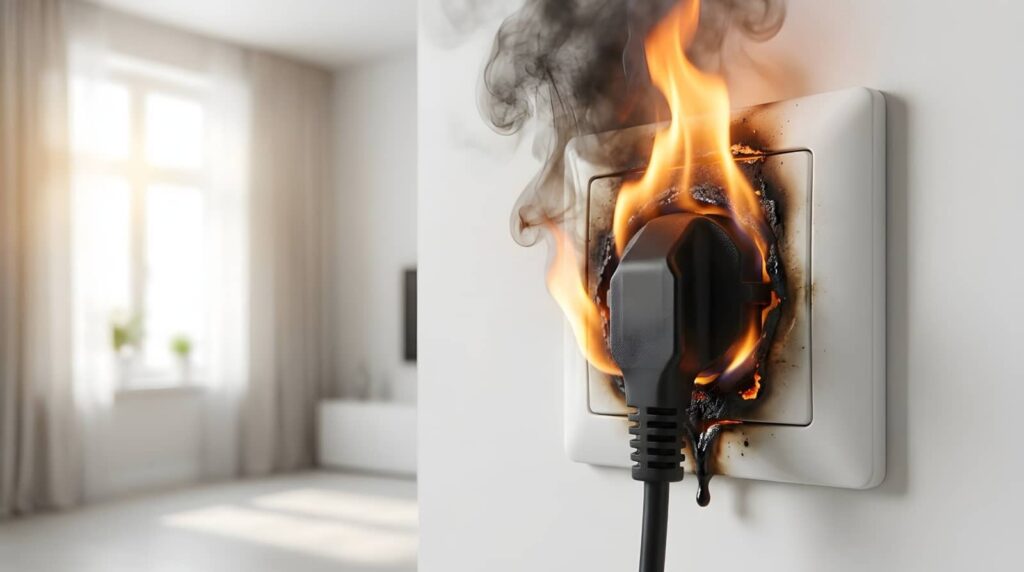
When smoke damage affects your belongings and furniture, you need a methodical plan to stop soot, odor, and residue from setting in deeper. Smoke damage contents cleaning involves sorting items by salvageability, cleaning each material with the right process, and protecting sensitive pieces like fabrics, documents, and electronics. The first steps matter most, because the wrong move can turn a recoverable item into a loss, and the safest approach isn’t always the most obvious one.
Key Takeaways
- Sort belongings into restorable, professional-evaluation, and unsalvageable groups before cleaning.
- Remove loose soot first with HEPA vacuuming to prevent spreading smoke residue.
- Clean nonporous items with pH-neutral wiping and porous items with appropriate deodorizing treatments.
- Handle furniture, clothing, documents, and electronics with material-specific methods to avoid further damage.
- Neutralize odors at the source using ventilation, filtration, and repeated targeted cleaning as needed.
How Smoke Damage Affects Belongings
Smoke damage can affect your belongings in several ways, and the impact often goes beyond what you can see at first glance.
You may notice soot films, odor absorption, and surface discoloration on furniture, clothing, documents, electronics, and other items. Fine smoke particles can settle into seams, vents, and fibers, where they continue to cause corrosion, staining, and lingering smells.
Heat and moisture from the fire can also warp materials, weaken adhesives, and make paper brittle.
With smoke damage contents cleaning, you address these contaminants methodically, using the right techniques for each material.
You’re not dealing with damage alone; you’re restoring the comfort and familiarity your belongings bring to your space.
Sort Items by Salvageability
Before you clean anything, sort each item by salvageability so you can focus your time and resources where they’ll do the most good.
Create three groups: items you can likely restore, items that need professional evaluation, and items that are too damaged to keep. You’ll want to compare the smoke residue, heat exposure, moisture, structural condition, and sentimental value of each piece.
Label boxes clearly and keep related belongings together so you don’t lose track of family keepsakes or important records. Handle fragile items gently, and don’t mix clean pieces with contaminated ones.
This method helps you work efficiently, reduce further damage, and protect what matters most. By making calm, informed choices now, you give your belongings the best chance to belong in your home again.
How Smoke Damage Contents Cleaning Works
Once you’ve sorted what can be saved, smoke damage contents cleaning follows a careful sequence: technicians inspect each item, note the type of soot or residue present, and choose the right cleaning method for the material.
You’ll usually see dry soot removed first with HEPA vacuuming, then controlled wet cleaning, solvent wiping, or immersion when appropriate.
Porous items may need odor treatment, while nonporous belongings get detailed surface cleaning and sanitizing.
Delicate papers, clothing, and electronics receive separate handling to prevent extra damage.
Throughout the process, your items stay labeled and tracked, so nothing gets misplaced.
This methodical approach helps you feel confident that each belonging is treated with care, and it supports a smoother return to a clean, familiar space.
Restore Smoke-Damaged Furniture
You’ll first assess each piece for surface soot, heat warping, and hidden damage so you can choose the right restoration method.
Next, you’ll clean smoke residue with appropriate dry or wet techniques to avoid spreading contamination or harming finishes.
Then you’ll deodorize upholstery and wood with controlled treatments that neutralize odor without saturating the material.
Assess Furniture Smoke Damage
Smoke can leave furniture looking intact while hiding deeper damage, so a careful assessment helps you decide what can be restored and what needs specialized cleaning.
Start by checking frames, joints, cushions, and undersides for soot staining, heat warping, or odor retention. You’ll want to note whether wood has cracked, upholstery has discolored, or finishes have dulled.
Press gently on padding to test resilience and look for moisture from firefighting efforts, which can cause swelling or mildew.
Photograph each piece and label items by room so you can track treatment priorities.
If damage stays on the surface, restoration may be possible; if smoke has penetrated deep materials, a more advanced process is usually needed.
You’re not handling this alone—clear assessment guides your next step with confidence.
Clean Smoke Residue Safely
Before you touch the furniture, remove loose soot with a soft vacuum brush and a dry chemical sponge so you don’t grind residue deeper into the material.
Then test a mild, pH-balanced cleaner on a hidden spot to verify it won’t lift dye, dull finish, or swell fibers.
Wipe the surface with a lightly dampened microfiber cloth, working in small sections and turning the cloth often so you keep contaminants off the piece.
For wood, follow the grain and dry each area immediately.
For fabric, blot rather than scrub, and use minimal moisture to protect padding.
Wear gloves and a mask to shield your skin and lungs.
If you stay systematic, you can clean safely and help your belongings feel like they still belong in your home.
Deodorize Upholstery And Wood
Once the visible residue is gone, tackle the smell trapped in furniture by treating upholstery and wood separately.
For upholstery, vacuum slowly with a HEPA tool, then mist a fabric-safe odor neutralizer lightly. Let it dwell, then extract or blot; don’t saturate cushions. If the cover allows, wash removable textiles per the label and air-dry fully.
For wood, wipe with a barely damp microfiber cloth and a neutral cleaner, then dry at once. Next, apply a wood-safe deodorizer or activated charcoal nearby to draw out lingering smoke compounds.
Keep pieces in moving air and low humidity for several days. If odor stays embedded, repeat the process rather than masking it. You can bring comfort back to your space, one careful step at a time.
Clean Clothing and Fabrics After Smoke Damage
Clothing and fabrics often absorb smoke odor and soot quickly, so you should sort each item by material and contamination level before cleaning. You’ll protect fibers and keep your load manageable when you work methodically.
- Shake items outdoors to release loose soot.
- Pre-treat stained areas with a gentle detergent.
- Wash washable fabrics in the warmest safe water.
- Air-dry and inspect before repeating if needed.
Use extra rinse cycles to lift residue, and avoid high heat until odor is gone. Delicate blends may need handwashing or professional care.
If you keep each piece grouped, you’ll reduce cross-contamination and make the process easier for everyone in your home. With steady steps, you can restore garments, towels, and linens and feel confident your belongings belong in your space again.
Save Documents, Photos, and Books After Smoke Damage
Because paper items can hold smoke odor and soot in their fibers, you should handle documents, photos, and books as soon as they’re safe to access.
Wear clean gloves, lift each item gently, and separate damp pages so they don’t stick together. Air-dry materials flat in a clean, low-humidity room, using unprinted paper between stacks to absorb moisture.
Don’t wipe glossy photos or coated pages; blot only loose soot with a soft, dry sponge. For bound books, stand them upright with pages fanned slightly to improve airflow.
If pages warp or smell persists, seal items in breathable containers until a conservator can help.
Label what you’ve saved, keep related items together, and move methodically so your records and keepsakes stay organized and recoverable.
Recover Electronics After Smoke Exposure
After you’ve set aside documents and other keepsakes, turn to electronics that may have picked up smoke residue or moisture. You can protect them with a calm, methodical process:
- Unplug each device and remove batteries or power cells.
- Photograph damage and label cords, accessories, and parts.
- Wipe exterior surfaces with a dry microfiber cloth, avoiding vents and ports.
- Place items in a clean, dry area and let a qualified technician assess circuit boards, displays, and data storage.
If a device powered on during the event, don’t test it again. You’re not alone in this step; careful handling helps preserve valued tools and shared memories.
Keep components organized so you can reunite them later with confidence.
Prevent Lingering Smoke Odors and Residue
You’ll need to neutralize smoke odors at the source with targeted treatments such as ventilation, filtration, and appropriate deodorizing agents.
Next, remove soot and residue from affected surfaces using methods matched to each material, since deposits can continue to off-gas and spread contamination.
When you address both odor and residue systematically, you reduce the risk of persistent smells and secondary damage.
Odor Neutralization Methods
Odor control starts with removing the particles that hold smoke scent in furniture, clothing, documents, electronics, and other contents.
You can then neutralize remaining odor with targeted methods that fit each item’s material and sensitivity. Follow a measured process so you keep your belongings safe and your space feeling like home again.
- Use HEPA filtration to capture airborne odor carriers.
- Apply activated charcoal or zeolite near sealed items.
- Use hydroxyl or ozone treatment only in controlled, vacant spaces.
- Air out contents with balanced ventilation and humidity control.
You’ll often get the best results when you combine methods instead of relying on one product.
Test small areas first, monitor scent changes, and repeat only as needed. That careful approach helps your items feel clean, familiar, and ready to return to your life.
Residue Removal Techniques
Residual smoke cleanup starts with removing the sticky film and fine soot that keep odors returning on furniture, clothing, documents, electronics, and other contents.
You should begin by HEPA-vacuuming loose particles, then wipe hard surfaces with a pH-neutral cleaner matched to the material.
For textiles, you’ll pretest, then launder or dry-clean to lift embedded residue.
On delicate papers, use soft brushes and dry sponges so you don’t smear soot.
Electronics need dry dusting, compressed air, and careful inspection before power-up.
After each step, change cloths and filters to avoid cross-contamination.
This method helps your belongings feel cared for, safe, and ready to rejoin your space.
With steady, precise cleaning, you can reduce staining, protect finishes, and prevent smoke odors from settling back in.
Frequently Asked Questions
How Long Does Smoke Damage Contents Cleaning Usually Take?
Usually, you’ll need a few days to several weeks, depending on damage severity, item types, and drying time. You’ll get faster results when professionals sort, clean, deodorize, and document your belongings methodically.
Is Professional Cleaning Safer Than DIY Smoke Cleanup?
Yes—if you’ve got soot on your laptop, professional cleaning’s usually safer than DIY. You’ll avoid spreading contaminants, protect materials, and recover belongings methodically. Trained technicians use proper tools and protocols, so you’re less likely to cause damage.
Can Contents Cleaning Restore Items After Severe Smoke Exposure?
Yes, you can often restore many items after severe smoke exposure, but you’ll need professional contents cleaning. You’ll get careful assessment, deodorization, specialized washing, and restoration methods that remove residues, protect materials, and improve recoverability.
What Should I Do Before Cleaners Arrive?
You should document damage, separate salvageable items, ventilate safely, and avoid wiping soot. Bag loose valuables, unplug electronics, and keep children out. Then you’ll speed cleanup and protect your belongings before cleaners arrive.
Will My Insurance Cover Smoke-Damaged Belongings?
Yes, your policy often covers smoke-damaged belongings if the loss is sudden and covered. You’ll need photos, inventories, and receipts. Your insurer may pay cleaning, repair, or replacement, depending on your coverage and deductible.
Conclusion
When you tackle smoke damage contents cleaning, you turn chaos into order fast. You sort each item, lift soot with precision, and treat odors before they spread like invisible wildfire. Your furniture, fabrics, documents, and electronics each get the exact care they need, so nothing is left to suffer in smoky silence. With controlled cleaning and careful restoration, you don’t just save belongings—you reclaim your space, making it feel fresh, safe, and fully alive again.