
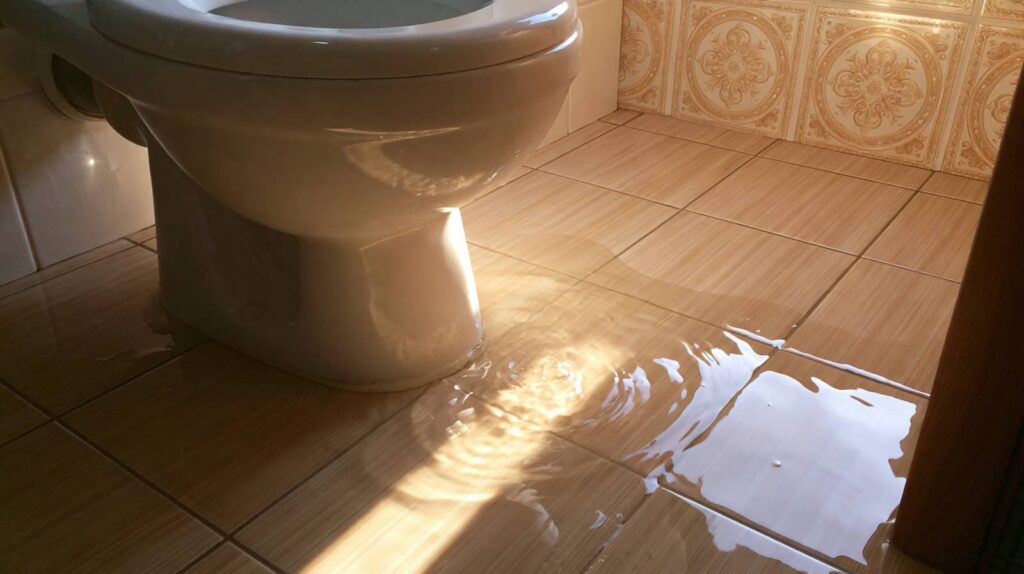
When your toilet overflows, you’re dealing with a sewage hazard, not just a mess. Shut off the water fast, keep others out of the area, and put on gloves before you touch anything. Then you need to clean, disinfect, and decide what can’t be saved. The first few minutes matter, and the wrong move can spread contamination. What you do next depends on how far the water traveled.
Key Takeaways
- Shut off the toilet water supply immediately, or the home’s main valve if needed, to stop further overflow.
- Avoid the bathroom until the situation is controlled to limit exposure to bacteria, viruses, and contaminated droplets.
- Wear gloves, ventilate the area, and remove standing water with towels or a wet vacuum before disinfecting hard surfaces.
- Discard porous items like carpets, rugs, drywall, mattresses, and soaked cardboard that can hold sewage contamination.
- Call a professional if overflow is large, recurring, reaches porous materials, or creates mold, odors, or electrical hazards.
Why Toilet Overflows Are Sewage Hazards?
Toilet overflows are sewage hazards because they can release contaminated water containing bacteria, viruses, parasites, and other pathogens into your home.
When wastewater escapes the bowl, it can soak flooring, baseboards, and porous materials, spreading contamination beyond what you can see. You’re also dealing with aerosolized droplets and hidden residue that can linger on surfaces and in cracks.
If you delay toilet overflow sewage cleanup, moisture can support mold growth and damage subflooring, drywall, and insulation. The risk goes up when the overflow involves fecal matter, because that waste can carry disease-causing organisms.
You should treat every overflow as a sanitation issue, not just a plumbing problem. Acting with your household’s safety in mind helps you protect your space and stay connected to a clean, healthy environment.
How to Stop a Toilet Overflow Fast
Act quickly to stop the flow: shut off the toilet’s water supply valve behind the bowl by turning it clockwise, then lift the tank lid and close the flapper if water is still running.
If the valve won’t budge, gently shut off the home’s main water supply so you can halt the overflow fast.
Next, remove the tank lid carefully and check whether the float is stuck; reposition it if needed so the fill cycle stops.
If the bowl is overfilling from a blockage, don’t keep flushing. Tell everyone in your household to avoid the bathroom until the water level drops.
Stay calm, move decisively, and work as a team.
Once the flow stops, you’ll be ready for the cleanup steps that protect your space.
How to Clean Up a Toilet Overflow Safely
Once the overflow has stopped, put on disposable gloves and, if the water may be contaminated, a mask and eye protection before you touch anything.
Then, keep the area ventilated and remove standing water with absorbent towels or a wet vacuum reserved for this job. Clean hard surfaces with detergent and warm water first, then apply a disinfectant labeled for sewage cleanup, following contact time exactly.
- Block foot traffic so you don’t spread contamination.
- Work from the cleanest edge toward the drain.
- Rinse tools and wash your hands after each step.
- Dry the area fully to limit odor and microbial growth.
If you’re unsure about exposure, treat the scene as contaminated and get help from a pro.
What to Throw Away After Sewage Backup
After a sewage backup, throw away any porous items that soaked up contaminated water, including carpets, rugs, padding, drywall, insulation, upholstered furniture, mattresses, paper goods, and food that came into contact with the overflow.
You can’t safely clean these materials because bacteria and viruses can stay trapped inside. Discard any absorbent clothing, toys, and pet bedding if they were soaked.
Toss cardboard boxes, particleboard, and laminated items that warped or delaminated. Keep nonporous items only if you can wash and disinfect them fully, such as tile, metal, and sealed plastic.
Bag contaminated waste securely before moving it out. Separate damaged items from salvageable ones so you and your household can stay organized and reduce cross-contamination.
If you’re unsure, treat the item as contaminated and remove it.
When to Call a Sewage Cleanup Pro
Call a sewage cleanup professional if the overflow is large, keeps coming back, or has spread into walls, flooring, insulation, or HVAC systems.
You can handle small surface spills, but deeper contamination needs containment, disinfection, and moisture control.
Call a pro when:
- Wastewater reached porous materials.
- You smell persistent sewer gas.
- You can’t confirm the source is fixed.
- You’ve got health risks, mold, or electrical exposure.
A trained crew uses extraction, antimicrobial treatment, drying equipment, and moisture meters to verify cleanup.
You’ll protect your home and stay with your people by acting fast.
If you’re unsure, don’t guess; sewage can hide in cavities and keep growing bacteria.
Frequently Asked Questions
Can I Use Bleach to Disinfect Toilet Overflow Water?
Yes, you can use bleach on hard, nonporous surfaces after you remove the water, but don’t pour it into standing overflow. Wear gloves, ventilate the area, and call pros for porous materials or heavy contamination.
How Long Should I Wait Before Reusing the Bathroom?
You should wait until the area is fully cleaned, disinfected, and completely dry—usually several hours, or overnight for heavy overflow. If odor or moisture remains, you shouldn’t reuse it; call professionals, fellow traveler.
Will Toilet Overflow Sewage Damage Subflooring or Walls?
Yes, it can damage subflooring or walls if you let moisture sit. You should dry everything fast, inspect for swelling, stains, and odors, and call professionals if water reached drywall, insulation, or framing.
Can I Mop Sewage Water Without Special Protective Gear?
No—you shouldn’t. About 1 in 3 water-damage cases involves contamination, and sewage can carry pathogens. You need gloves, boots, and a mask; otherwise, you’ll expose yourself and anyone nearby to serious illness.
Does Homeowners Insurance Cover Toilet Overflow Cleanup?
Usually, yes—if the overflow was sudden and accidental, your policy may cover cleanup and damage. You’ll need to review exclusions, document everything, and call your insurer fast; backups often need separate sewer-endorsement coverage.
Conclusion
When your toilet overflows, act fast. Shut off the water, keep others out, and clean only when you’re protected. Treat the spill like a biohazard, because sewage is not just dirty—it’s a threat hiding in plain sight. Remove saturated porous items, disinfect hard surfaces, and don’t wait to call a pro if the backup is large or contaminated. Quick, careful steps now can prevent bigger damage, odors, and health risks later.