
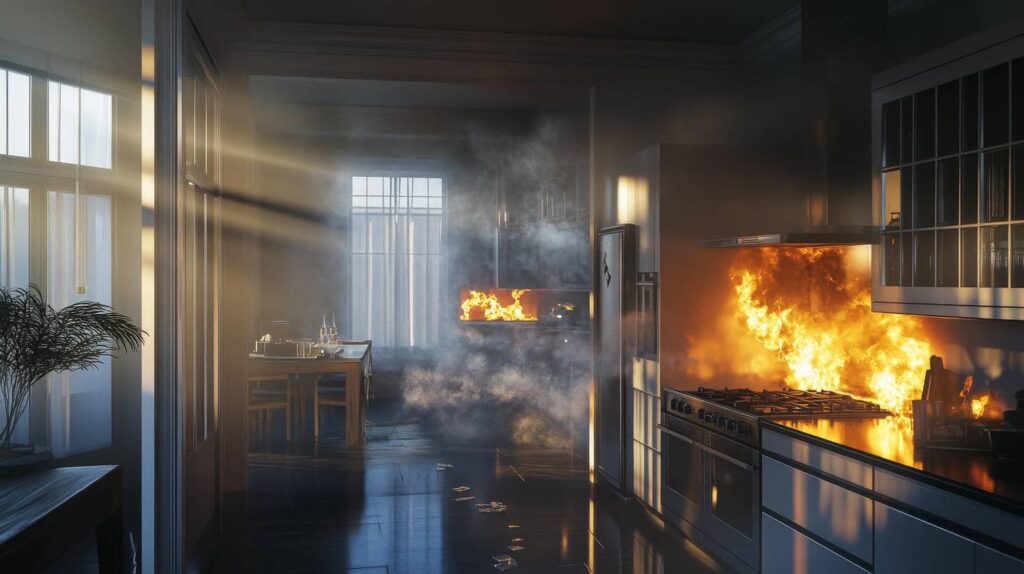
The fire is out, but the work has just started. You first check for structural damage, hidden hotspots, and unsafe air, then secure the property and document losses. Next, you remove debris, clean smoke and soot, dry water-damaged areas, and salvage what you can. The final step shapes what happens next, because every surface, odor, and code issue can affect how safely you rebuild.
Key Takeaways
- Inspect the property for structural hazards, exposed wiring, gas leaks, and unsafe rooms before anyone enters.
- Secure the building by boarding openings, replacing locks, documenting damage, and sorting salvageable, hazardous, and unsalvageable items.
- Remove debris, wet down ash, and use HEPA vacuums to control soot, smoke residue, and dust spread.
- Dry out firefighting water with air movers and dehumidifiers, while checking hidden cavities for trapped moisture and mold risk.
- Repair damaged surfaces, apply stain-blocking primer, verify air quality and stability, and complete cleanup before rebuilding begins.
Fire Damage Cleanup Safety Checks
Before you start fire damage cleanup, you need to confirm the property is safe to enter. You should inspect for structural instability, weakened floors, sagging ceilings, and exposed wiring before anyone steps inside.
If you smell gas, see smoke, or hear hissing, leave and call emergency services.
Wear gloves, a respirator, eye protection, and sturdy boots to reduce exposure to soot, ash, and sharp debris. Shut off utilities only if local officials say it’s safe.
Document hazards with photos, then mark unsafe rooms so your team can work with confidence. These checks help you understand how fire damage cleanup works and keep your recovery moving safely.
When you verify the site first, you protect your crew, your home, and the people who belong there.
What Fire Damage Cleanup Involves
You’ll start with safety checks to confirm the structure is stable, utilities are secured, and the area is safe to enter.
Next, you’ll remove damaged debris, charred materials, and contaminated items to clear the space for restoration.
These steps help you control hazards early and prepare the property for the next phase of cleanup and repair.
Safety Checks
After a property fire, the cleanup process starts with a careful safety check to confirm the site is stable and safe to enter.
You’ll have the structure inspected for weakened floors, damaged walls, and compromised ceilings before anyone works inside. Technicians also verify that gas, electricity, and water lines are shut off or controlled, so you avoid hidden hazards.
They test for hot spots, ash residue, and poor air quality, since smoke and soot can irritate your lungs and skin. If the building has unsafe zones, they mark them clearly and limit access.
These checks protect you, your family, and the crew while the restoration plan gets organized.
When the site passes inspection, you can move forward with confidence, knowing your space is being handled carefully and professionally.
Debris Removal
Once the structure has been cleared for entry, crews can begin removing fire-damaged debris from the property.
You’ll see technicians sort items into salvageable, non-salvageable, and hazardous categories before loading them out in controlled stages. They’ll wear protective gear, use sealed containers, and keep pathways clear so your home stays safer during cleanup.
Damaged drywall, insulation, charred wood, melted materials, and soaked contents often come out first because they can hide smoke residue and weaken structures.
Your team may also document loss for insurance and protect any belongings that still hold value.
By removing debris methodically, they reduce odors, limit contamination, and prepare the space for smoke cleaning and repairs.
You’re not facing this alone; trained crews handle the heavy lifting with care.
Secure the Property and Remove Debris
You’ll want to lock down all entry points right away so you can prevent trespassing, weather exposure, and additional damage while the cleanup is underway.
Once the site is secure, you can clear fire debris methodically, separating unstable materials, sharp fragments, and salvageable items for safer handling.
This controlled approach helps you protect the structure and create a stable work area for the next cleanup steps.
Lock Down Entry Points
Before crews can begin deeper fire damage cleanup, they secure the property by locking down entry points and removing unsafe debris. You’ll see technicians replace broken locks, board openings, and check windows so unauthorized access stays out. This step protects your home, your belongings, and everyone working inside.
It also helps your team move with confidence, knowing the site’s boundaries are stable.
- Reinforce doors and frames
- Cover exposed windows
- Install temporary security barriers
- Inspect for unsafe access points
You’re not dealing with this alone; your crew creates a controlled space that supports the next cleanup phase. By tightening access early, they reduce theft risk, limit weather intrusion, and keep the jobsite organized for the restoration work ahead.
Clear Fire Debris
With the site secured, crews can start clearing fire debris so the property is safe to move through and evaluate.
You’ll see trained technicians sort collapsed framing, charred drywall, insulation, and soaked contents, then haul each load out in sealed containers. They’ll wet down ash and use HEPA vacuums to control dust, because fine particles can spread quickly and contaminate clean areas.
You stay out of unstable zones while the team checks for hidden hot spots, sharp metal, and weakened floors.
As debris leaves, they expose structural damage, so inspectors can document what can be saved and what needs replacement. This step also reduces odor, limits mold risk, and gives your recovery crew a clear path forward.
You’re not facing the mess alone; your site gets reset for cleanup.
Clean Smoke, Soot, and Odors
Once the structure is secured, technicians clean smoke, soot, and odor residues from surfaces, contents, and hidden cavities to stop further staining and corrosion.
You’ll see them match methods to each material, so your space gets careful, consistent treatment without added stress. They use:
- HEPA vacuuming for loose soot
- Dry or wet wiping for residues
- Detergent or solvent cleaning for film buildup
- Deodorizing treatments for lingering smells
You stay informed as crews work room by room, checking vents, framing, and enclosed spaces where smoke hides.
This process doesn’t just improve appearance; it helps reduce acidic damage and makes the environment feel safe again.
When the air clears and surfaces no longer carry that burnt odor, you can start feeling at home again.
Save What Can Be Restored
As technicians sort through fire-damaged contents and building materials, they separate items that can be restored from those that need replacement.
You’ll see them evaluate structural wood, metal fixtures, appliances, documents, and personal belongings for heat, soot, and chemical exposure. They test stability, inspect surfaces, and note whether cleaning, deodorizing, or refinishing can return each item to service.
Salvageable pieces get tagged, photographed, and moved to a secure area so your project stays organized and traceable. This careful triage helps you keep meaningful items while reducing waste and unnecessary replacement costs.
You’re not left guessing; the crew explains what’s safe to keep and what isn’t. That clear guidance gives you confidence, protects your investment, and keeps your recovery moving forward together.
Dry Out Water Damage From Firefighting
Even after the flames are out, firefighting water can leave walls, floors, insulation, and contents soaked, so technicians move quickly to stop secondary damage. You’ll see them map moisture levels, then place air movers, dehumidifiers, and containment to pull vapor from the structure.
They check hidden cavities, because trapped water can spread and feed microbial growth. You’re kept informed as crews protect your belongings and separate salvageable items from saturated materials.
- Measure moisture in framing, drywall, and flooring
- Ventilate enclosed spaces to speed evaporation
- Remove standing water and wet debris
- Monitor humidity until readings return to target
This drying phase helps stabilize your property and gives your team a clean, safe starting point. You’re not facing it alone; trained specialists work with you and your home throughout the process.
Repair Walls and Surfaces After Cleanup
With the structure dried and stabilized, crews can start repairing the walls and surfaces affected by fire, heat, smoke, and water.
You’ll see damaged drywall cut back to sound material, then patched with matching boards or compound. Technicians can sand rough spots, seal stained areas, and apply stain-blocking primer so odors and discoloration don’t bleed through new finishes.
Trim, baseboards, and cabinets may need filling, re-fastening, or replacement where heat warped them. On plaster or masonry, crews can repair cracks, spall, and failed coatings before repainting.
You’ll get a smoother, cleaner result when each layer is rebuilt in sequence. The goal is to restore strength, appearance, and comfort so your space feels like yours again.
When Fire Damage Cleanup Needs Pros
When fire has left deep charring, widespread smoke staining, soaked structural materials, or possible electrical and gas hazards, you should bring in trained restoration pros. They’ll assess hidden damage, test air quality, and set safe work zones so you’re not guessing what’s stable.
You belong in a recovery process that protects your household and reduces costly mistakes.
- They identify structural weak points
- They remove soot and contaminated debris safely
- They use containment and ventilation to limit spread
- They document damage for insurance support
If smoke odor lingers, insulation is saturated, or wiring and plumbing may be compromised, pros can act fast with the right equipment.
Their technical cleanup helps you move forward with confidence, knowing each step meets safety standards and preserves the space you’re rebuilding.
Get Ready to Rebuild
Once the cleanup phase is complete, you can shift into rebuild planning by verifying that the structure is dry, stable, and free of hidden contamination.
You’ll want moisture readings, air-quality checks, and a structural assessment before any framing, drywall, or wiring starts. Document every damaged component, from subfloors to insulation, so your contractor can scope repairs accurately and your insurer can review them quickly.
If soot or odor remains, schedule targeted remediation now, not after finishes go in. Choose materials rated for fire resistance when possible, and confirm code requirements for smoke alarms, ventilation, and electrical upgrades.
You’re not starting over alone; you’re joining a process that turns a damaged property back into a safe, familiar place where your household can feel grounded again.
Frequently Asked Questions
How Long Does Fire Damage Cleanup Usually Take?
You’ll usually need a few days to several weeks, depending on damage, smoke penetration, and repairs. You can expect inspection, debris removal, cleaning, deodorizing, and restoration in phases, so your timeline stays clear.
Does Homeowners Insurance Cover Fire Damage Cleanup Costs?
Usually, yes—your homeowners policy often covers fire damage cleanup, minus your deductible. You’ll want to document losses, contact your insurer quickly, and verify limits, because smoke, debris, and repairs can all be handled like a well-charted rescue.
Can I Stay in My Home During Cleanup?
You can stay in your home during cleanup only if crews confirm it’s structurally safe and air quality’s acceptable. Otherwise, you’ll need temporary housing while they remove debris, control soot, and repair damaged systems.
What Should I Do With Important Documents After a Fire?
You should secure important documents first, like a knight guarding a ledger: photograph them, place charred papers in clean, dry bags, and store originals safely. Then inventory, scan, and contact your insurer for replacement guidance.
How Do I Choose a Reliable Fire Damage Cleanup Company?
Choose a company with 24/7 response, IICRC certification, insurance coverage, clear estimates, and strong references. You’ll want technicians who document damage, explain each step, and communicate kindly so you feel supported throughout recovery.
Conclusion
After the flames are out, you’re left with a sharp contrast: a ruined space, yet a clear path forward. You secure the property, document losses, and clear unsafe debris before cleaning smoke, soot, and odors with the right tools. You also dry hidden water damage and salvage what you can. With careful checks and code-ready repairs, you’ll turn a hazardous aftermath into a safe place to rebuild, one measured step at a time.