
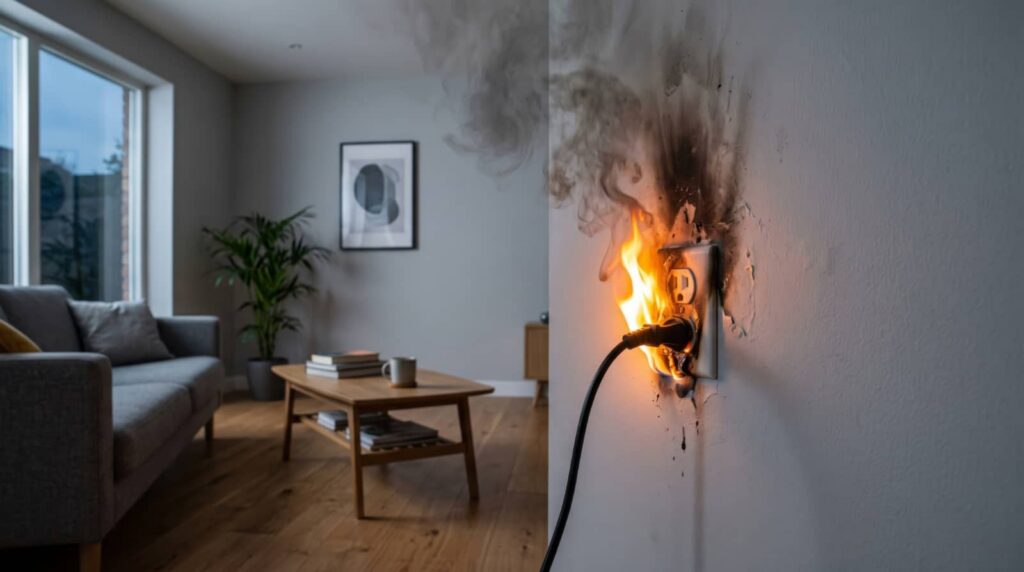
When smoke leaves its mark, every minute matters. You should document the damage, open safe ventilation paths, and avoid rubbing soot into walls, fabrics, or equipment. Use HEPA vacuuming and mild cleaners where appropriate, but act carefully because soot can spread fast and odors can settle deep. For homes and businesses alike, the right cleanup steps can prevent lasting stains, protect indoor air quality, and reveal when the job’s already bigger than it looks.
Key Takeaways
- Document affected rooms and surfaces, then remove loose soot with dry microfiber cloths or a soft-brush HEPA vacuum.
- Wear gloves, goggles, respirators, and coveralls, and turn off HVAC to avoid spreading smoke contaminants.
- Clean hard surfaces with warm water and mild detergent, testing cleaners on hidden areas before wider use.
- Vacuum upholstered furniture with HEPA attachments, launder removable textiles separately, and replace odor-retaining porous items.
- If soot, sticky residue, or odors remain, contact professional restoration to treat hidden damage and deodorize thoroughly.
What to Do After Soot and Smoke Damage?
After soot and smoke damage, act quickly to limit staining, odor absorption, and deeper surface damage. You should begin soot and smoke damage cleanup by documenting affected rooms, then removing loose debris and wiping hard surfaces with dry microfiber cloths.
Replace or bag small porous items that hold odor, and keep ventilated spaces open if conditions allow. Use gentle, manufacturer-approved cleaners on finished surfaces, testing a hidden area first.
Clean from top to bottom so soot doesn’t fall onto already treated areas. If residue keeps smearing, stop and reassess; that usually means the wrong cleaning method is being used.
You’re not alone in this process, and each careful step helps your home or business recover faster, protect materials, and restore a cleaner, more comfortable environment for everyone.
Safety Steps Before You Start Cleaning
Before you clean soot or smoke residue, you should put on protective gear like gloves, goggles, and a mask to limit skin, eye, and inhalation exposure.
Next, open windows and use fans to improve airflow and help carry airborne particles out of the area. These steps lower your risk and make the cleanup process safer and more effective.
Wear Protective Gear
Suit up with protective gear before you touch any soot or smoke-damaged surfaces. Wear nitrile gloves, safety goggles, a fitted respirator, and long sleeves to shield your skin, eyes, and lungs from fine particles and residue.
Choose disposable coveralls if you’re handling heavy contamination, and tape cuffs if dust can slip inside. You’ll work more confidently when you know you’ve reduced direct contact with harmful debris.
Check that your respirator seals snugly and your gloves don’t tear when you move. If you share the space with a cleanup team, make sure everyone’s protected the same way so nobody’s left exposed.
Good gear won’t solve the damage, but it gives you a safer, steadier start and helps you clean with control and care.
Improve Airflow
Open windows and doors to start moving stale air out and bring fresher air in, but keep the airflow gentle so you don’t spread soot farther across the room. You’re creating safer conditions for your cleanup team and your space.
Use fans only when they can pull air outdoors, not recirculate it indoors.
- Turn off HVAC systems.
- Set box fans near openings.
- Close nearby interior doors.
- Check that air moves out, not around.
This controlled ventilation helps reduce odor, lowers airborne particles, and supports faster drying without stirring up residue.
If smoke damage is heavy, pause and call a pro before you continue. You’re not handling this alone; many home and business owners face the same mess, and the right airflow steps help you protect surfaces and move forward with confidence.
How Soot and Smoke Damage Spread
Smoke particles move quickly through open spaces, HVAC systems, and cracks, so you’ll often find damage beyond the fire area.
Soot can penetrate porous surfaces like drywall, fabric, and wood, making fast cleanup important to limit staining and odor.
Airflow from fans, doors, or windows can spread residue farther, so you’ll want to control circulation before you start cleaning.
Smoke Particle Movement
When a fire burns, tiny soot particles and smoke residues move quickly through the air and settle on nearby surfaces, even in rooms that didn’t catch flames. You’ll often see damage spread beyond the source because air currents, HVAC systems, open doors, and pressure changes carry contaminants farther than you’d expect.
Warm air lifts particles upward.
Fans and vents push them through ducts.
Cool surfaces attract settling residue.
Foot traffic can spread contamination.
You don’t have to guess where it went; a careful inspection helps you map affected areas and plan cleanup fast. Acting early reduces lingering odors and limits the amount of material your team needs to restore.
With the right response, you can bring the space back to a clean, safe place for everyone.
Soot Surface Penetration
Because soot and smoke particles are so fine, they don’t just sit on the surface—they can work into porous materials like drywall, upholstery, carpet, wood grain, and insulation within hours.
You’ll often see dark staining at first, but the real issue is what you can’t see: particles settle below the finish and bond with fibers and microscopic pores.
That’s why wiping too soon or using the wrong cleaner can push residue deeper and make cleanup harder. You can limit spread by avoiding abrasion and choosing methods matched to the material.
With the right approach, you protect your surfaces, reduce lingering odor, and keep damage from becoming permanent.
If you’re dealing with this, you’re not alone—quick, careful action puts you back in control fast.
Airflow Damage Spread
Even after the flames are out, moving air can keep soot and smoke damage spreading fast through your home or building. When HVAC systems, fans, or open windows pull air through the space, fine particles travel into vents, closets, and wall cavities. You can limit this spread by acting quickly and keeping damaged areas contained.
- Shut off HVAC equipment.
- Close doors and seal gaps.
- Avoid running box fans.
- Call a cleanup team fast.
Smoke also leaves acidic residue that clings to surfaces and odors that sink into fabrics. If you belong to the people restoring your place, you’ll want a plan that protects shared spaces, reduces contamination, and helps everyone breathe easier.
Prompt action keeps damage from moving farther and supports a safer, cleaner recovery.
Why Quick Cleanup Prevents Staining
Quick cleanup helps stop soot from settling deeper into surfaces, where it can bond and leave stubborn stains. You protect finishes by removing acidic residue before heat, humidity, and time drive particles into pores and textures.
When you act fast, you also limit chemical reactions that darken paint, fabric, metal, and trim. That means you keep more of the original look and avoid extra restoration work later.
In your space, swift action also supports healthier conditions by reducing the residue that keeps odors active. If you belong to a home or business team handling damage, fast response helps everyone regain control sooner.
You’re not just cleaning—you’re preserving materials, saving time, and preventing permanent discoloration from taking hold.
How to Clean Soot From Walls
Start by removing loose soot from the wall surface with a dry chemical sponge or vacuum fitted with a soft brush attachment, working from the top down to keep residue from streaking lower areas.
Next, you can gently wash the wall with a mix of warm water and mild detergent, using a clean microfiber cloth and light pressure. Rinse the cloth often so you don’t spread grime back onto the finish.
- Test a small hidden spot first.
- Use straight, overlapping passes.
- Dry the wall with a soft towel.
- Repeat if faint shadowing remains.
If staining persists, apply a soot-specific cleaner approved for painted surfaces.
Stay patient and methodical; you’re restoring a healthier space your people can feel good in.
How to Clean Smoke-Damaged Furniture and Fabrics
When smoke reaches furniture and fabrics, you need to act quickly to keep odor and discoloration from setting in. Start by vacuuming upholstered surfaces with a HEPA attachment to lift loose soot without grinding it deeper.
Test a hidden spot before you clean. Use a dry cleaning sponge on fabric labels that allow it, then blot washable covers with a mild detergent solution and cool water.
Don’t saturate cushions or frames; excess moisture can spread residue and warp materials. For leather, wipe gently with a barely damp microfiber cloth and dry it right away.
Launder removable textiles separately. If staining remains, repeat light cleaning rather than scrubbing hard. You can restore a lot with careful, steady work, and your room can feel familiar again.
How to Remove Smoke Odors Indoors
Once the visible soot is gone, you need to address the odor at its source, because smoke particles can linger in porous materials and circulate through the air. You can restore a room with a focused routine that helps your space feel like yours again.
Open windows and run fans to exchange stale air.
Replace HVAC filters, and keep the system running to move clean air.
Wash hard surfaces with a detergent solution to remove residue.
Use HEPA filtration and activated carbon to capture fine particles and odors.
You should also launder washable textiles, vacuum with a sealed HEPA unit, and place odor absorbers in affected rooms.
Work methodically, and repeat the process until the air feels neutral. That steady approach helps your home or business recover cleanly and confidently.
When DIY Smoke Cleanup Stops Working
If odors keep returning, soot remains after repeated cleaning, or stains have spread into drywall, insulation, and ducts, your DIY efforts may not be enough.
At that point, you’re dealing with porous materials and fine particles that simple wiping can’t fully remove. You may notice lingering gray film, sticky residue, or a sharp smell that returns when the space warms up.
That’s a sign smoke has settled deeper than surface cleaning can reach. You’ll need targeted methods like HEPA vacuuming, alkaline cleaning agents, and controlled deodorization to protect indoor air and finish the job correctly.
Don’t feel frustrated—this is common after fire damage. If you’ve done the basics and the problem keeps coming back, it’s time to step up to professional restoration support.
Why Businesses Need Faster Smoke Restoration
For businesses, fast smoke restoration matters because every hour of delay lets soot bond to surfaces, odors spread through HVAC systems, and moisture from firefighting efforts create additional damage.
You protect your workspace, your team, and your customers when you act quickly and stay coordinated.
- Soot can etch metal, dull finishes, and stain fabrics.
- Smoke odor can settle into carpets, partitions, and ductwork.
- Moisture can warp materials and raise corrosion risk.
- Quick cleaning helps you resume operations with less disruption.
You don’t need to guess at the next step; you need a clear process that limits spread and supports a cleaner, healthier environment.
Fast restoration keeps your business on track and helps everyone feel confident returning to the space.
When You Need a Smoke Damage Pro
You need a smoke damage pro when odors linger after basic cleaning, because smoke can penetrate walls, ductwork, and porous materials.
A professional can find hidden soot damage that you might miss, including residue inside cavities and on sensitive surfaces.
If you’re dealing with health and safety risks from airborne particles or contaminated materials, fast expert cleanup helps protect your space and reduce further damage.
Severe Smoke Odors
Severe smoke odors usually mean smoke has penetrated deeper than surface cleaning can handle, so quick professional cleanup becomes essential to protect materials and stop the smell from settling in further.
You can’t always remove that sharp, lingering odor with soap or air fresheners alone, and that’s okay—your space needs a targeted approach. A smoke damage pro can help you regain control fast.
- They inspect affected areas and identify odor sources.
- They use specialized cleaning methods on porous and hard surfaces.
- They apply deodorizing treatments to neutralize trapped smells.
- They help you restore a cleaner, more comfortable environment.
When you act quickly, you protect your home or business and make it easier for everyone there to feel at ease again.
Hidden Soot Damage
Smoke odors often point to soot that’s settled far beyond what you can see, hiding in vents, insulation, wall cavities, and other porous materials.
You may wipe surfaces and still notice residue returning because soot keeps migrating through the building. That’s when you need a smoke damage pro.
A trained crew maps the contamination, checks airflow paths, and uses the right tools to remove fine particles from hard-to-reach areas. They also clean HVAC components, treat affected finishes, and help you avoid spreading residue during routine cleaning.
If you’re managing a home or business, fast professional action gives you a clearer path back to normal. You’re not handling this alone; the right team restores hidden areas carefully and efficiently, so your space feels whole again.
Health And Safety Risks
When soot and smoke linger, they can irritate your eyes, throat, and lungs, and they may also leave behind corrosive residues that keep damaging surfaces over time.
You’re not overreacting if you notice headaches, coughing, or a burning smell. These risks can signal airborne particles, acidic deposits, or mold-friendly moisture after firefighting. A smoke damage pro helps you protect your space and everyone in it.
- Check for breathing trouble or chest tightness.
- Avoid touching soot without gloves and a mask.
- Ventilate only if outdoor air is clean.
- Call a pro when odors, residue, or staining persist.
You deserve a safe cleanup plan that restores comfort, limits exposure, and gets your property back on track.
Frequently Asked Questions
Can Soot Damage Electronics Permanently?
Yes, soot can permanently damage electronics if you delay cleanup. You should power them off, avoid wiping them, and have a technician inspect them quickly. Fast action helps you protect circuits, reduce corrosion, and preserve performance.
How Long Does Smoke Odor Linger After Cleanup?
It doesn’t linger forever. If you clean fast and thoroughly, you’ll usually notice odor fading within days, though porous materials can hold it for weeks. You’ll belong in a fresher space sooner with proper treatment.
Does Soot Always Mean Hidden Structural Damage?
No, soot doesn’t always mean hidden structural damage. You’ll often find surface contamination only, but you should inspect framing, insulation, and wiring quickly. Fast cleanup helps you protect finishes, reduce odors, and catch deeper issues early.
Will Insurance Cover Professional Smoke Restoration?
Usually, you’ll have coverage if your policy includes fire or smoke damage. You should review your deductible, document losses, and call your insurer fast. A professional restoration team can help you file smoothly.
Can HVAC Systems Spread Smoke Contamination?
Yes, your HVAC can spread smoke contamination—because apparently it loves sharing unwanted souvenirs. You should shut it down, inspect filters and ducts, and call professionals fast. Acting quickly helps protect surfaces, reduce odors, and limit damage.
Summary
When soot and smoke strike, you need to act like a runner hearing the starting gun. Document the damage, protect your space, and start cleanup fast so stains and odors don’t dig in. Gentle cleaning can handle light residue, but stubborn soot or smoky air often needs professional help. When you move quickly and choose the right tools, you’ll stop damage from spreading and help your home or business breathe easy again.