
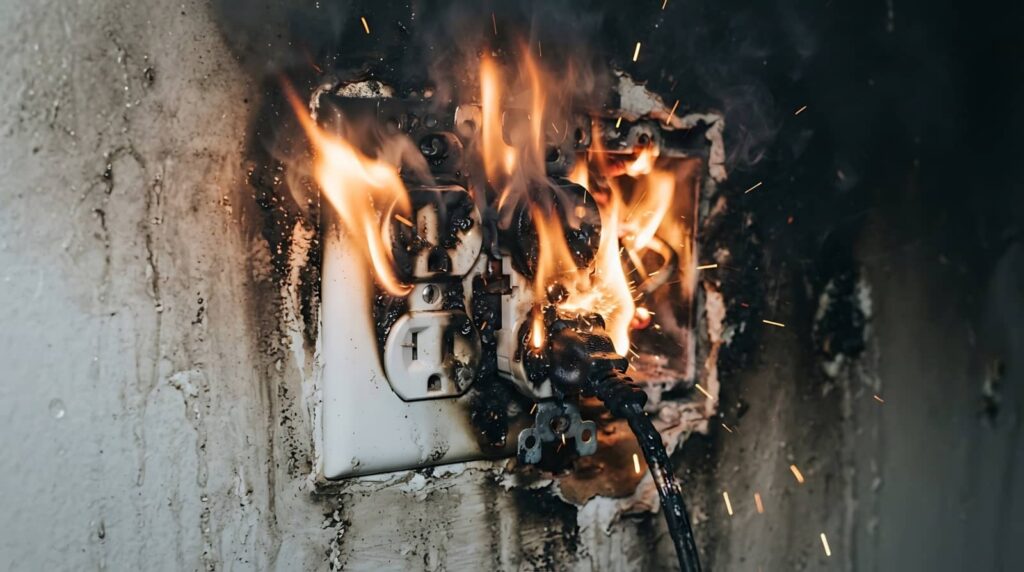
After a kitchen fire, you need to check smoke damage before you start cleaning. You’ll want to inspect walls, ceilings, cabinets, and appliances for soot, greasy residue, and lingering odors. Some surfaces can be cleaned with dry methods, while others need specialized treatments to avoid spreading contamination. The real challenge often starts once visible damage is gone, because smoke can hide in places you may not expect.
Key Takeaways
- Inspect walls, ceilings, vents, and contents for soot, discoloration, and odor before starting cleanup.
- Remove soot gently with HEPA vacuums or dry microfiber cloths, working in small sections.
- Clean affected surfaces with mild detergent or restoration-grade cleaner, testing small areas first.
- Open windows and use HEPA air cleaning, activated carbon, and deodorizing treatments to reduce smoke odor.
- Call smoke damage professionals for persistent odors, hidden damage, or severe kitchen fire contamination.
Check the Smoke Damage First
Before you clean anything, you should check the smoke damage first so you can see how far the fire spread and what materials are affected.
In smoke damage restoration after kitchen fire events, you’ll want to inspect walls, ceilings, vents, and nearby contents for discoloration, odor, and heat exposure. This quick assessment helps you decide what can stay, what needs professional attention, and where hidden damage may be waiting.
You’re not alone in this step; careful evaluation gives you a clear plan and reduces mistakes. Use bright lighting and note every affected area before moving forward.
When you understand the full scope, you can restore your kitchen more safely, more efficiently, and with greater confidence.
Remove Soot and Grease Safely
You should remove soot with gentle, dry-cleaning methods first, since rubbing or wetting it too soon can spread residue and stain surfaces.
For greasy buildup, use the right cleaning agent for the material and work in small sections so you don’t push contaminants deeper into cabinets or finishes.
If the residue is heavy or widespread, you’ll get better results and less damage by using controlled restoration techniques and proper protective gear.
Safe Soot Cleanup
After a kitchen fire, safe soot cleanup starts with removing loose soot and greasy residue without spreading contamination to cabinets, walls, and other surfaces.
You should wear gloves, a mask, and eye protection, then use a HEPA vacuum or dry microfiber cloth to lift particles gently.
Work from the top down and move in straight passes, replacing cloths often so you don’t smear residue back onto clean areas.
Keep your touch light, because pressure can drive soot deeper into porous finishes.
If you’re cleaning in a shared home, coordinate each step so everyone protects the same surfaces.
Test a small hidden spot first to confirm the finish won’t react.
Careful handling now helps you restore a safer, cleaner kitchen and keeps your space ready for the next stage of recovery.
Grease Removal Methods
Grease removal calls for the right cleaner and a careful touch, because smoke residue from a kitchen fire often mixes with oily films that cling to cabinets, walls, and hard surfaces.
You should start with dry soot removal, then apply a pH-balanced degreaser or a manufacturer-approved cleaner using microfiber cloths. Work from the top down so runoff doesn’t redeposit grime.
For painted walls, test a small area first to protect finishes. On cabinets, wipe with light pressure, then rinse and dry to prevent warping.
Avoid abrasive pads, ammonia, and excess water, since they can spread contamination or damage surfaces.
If residue feels sticky or odor remains, you’re not alone; deeper cleaning or professional restoration can help your kitchen feel safe again.
Clean Cabinets, Walls, and Surfaces
Cabinets, walls, and other hard surfaces require careful cleaning to remove soot, smoke film, and grease residue left behind by a kitchen fire.
You should start with a dry chemical sponge or HEPA vacuum to lift loose particles without spreading them. Then clean each surface with a mild detergent or restoration-grade cleaner matched to the material.
Work from the top down, using clean cloths and changing solution often so you don’t redeposit contamination. Pay close attention to hinges, handles, trim, and backsplash joints, where residue often hides.
Test a small area first to protect finishes. If the damage is heavy, you may need repeated passes to restore a uniform appearance.
This method helps you reclaim a safe, clean kitchen and move forward with confidence.
Remove Smoke Odors From the Kitchen
Once the visible soot and residue are cleaned, you can focus on the smoke odors that linger in the kitchen. You’ll need to target porous materials, hidden crevices, and hard surfaces that trap odor molecules.
Open windows if conditions allow, and use HEPA air cleaning and activated carbon to help reduce airborne particles. Then neutralize remaining smells with enzyme-based or professional deodorizing treatments designed for fire damage.
You’re not alone in this process; careful steps can bring your kitchen back to a livable, comfortable state.
- Wash washable items thoroughly
- Treat fabrics and soft goods separately
- Repeat deodorizing as needed
- Inspect for stubborn odor pockets
Restore Appliances and Ventilation
Next, you’ll need to restore appliances and ventilation systems so they don’t keep recirculating smoke residue and odor. Start by unplugging each appliance, then inspect vents, filters, fan blades, and seals for soot and grease.
Clean removable parts with a manufacturer-safe degreaser, rinse well, and dry completely before reassembly. Replace charcoal or mesh filters if they’re saturated, and wipe duct openings with a damp microfiber cloth to lift lingering residue.
Run the range hood and exhaust fan briefly to confirm smooth airflow and no burnt smell. If your HVAC connects to the kitchen, change the filter and check nearby registers.
You’re rebuilding a healthier space, and careful maintenance helps your equipment work efficiently while supporting a fresh, welcoming home.
Call Smoke Damage Pros When Needed
If cleanup won’t fully remove soot, grease, odor, or heat damage, you should call smoke damage pros.
They can assess cabinets, surfaces, and hidden materials, then restore areas that basic cleaning can’t recover.
With the right tools and methods, you’ll protect your home from lingering contamination and further deterioration.
When Cleanup Isn’t Enough
When smoke from a kitchen fire has left deep soot, greasy residue, stubborn odors, or visible staining on cabinets and surfaces, basic cleanup may not be enough.
You should call smoke damage pros when stains keep returning, odors linger after cleaning, or residue spreads beyond what you can safely reach. Their process targets contamination that household products often miss, helping you protect your home and your peace of mind.
- Persistent odor signals hidden smoke particles
- Grease film can bond to finishes
- Soot can discolor porous materials
- Trained crews use specialized tools and methods
You don’t have to guess what’s safe or effective.
With professional support, you can move forward confidently, knowing your space is being handled with care, precision, and respect for your home.
Restoring Heavily Damaged Areas
Severe smoke damage can leave cabinets, walls, trim, and other surfaces beyond the reach of routine cleaning, especially after heat, soot, and grease have penetrated finishes or warped materials.
In these cases, you may need controlled demolition, deep deodorization, sealant application, or full material replacement to restore a safe, clean result.
You’ll want to assess hidden damage behind cabinets and inside wall cavities, since smoke often travels farther than you can see.
Professional smoke damage restoration teams use specialized equipment to remove residue, stabilize affected areas, and prevent lingering odors from returning.
When the damage feels overwhelming, you’re not alone; experienced pros can guide you through each step and help your home feel like yours again.
Frequently Asked Questions
How Long Should I Wait Before Entering a Smoke-Damaged Kitchen?
You should wait until firefighters or authorities say it’s safe, usually after ventilation clears heat and toxic smoke. Then you can enter cautiously with protective gear, because lingering soot, grease, and odors may still irritate you.
Can Smoke Damage Affect Food Stored Outside the Kitchen?
Yes, smoke can affect food outside the kitchen; it’s an unwelcome guest that travels far. You should inspect packaging, discard exposed perishables, and seal intact items. If odors linger, contamination likely did too.
Is It Safe to Use the Refrigerator After a Kitchen Fire?
You can use your refrigerator if it wasn’t exposed to heat, smoke, or soot, and it’s still operating normally. Check seals, clean surfaces, and inspect food; if you’re unsure, you should have it professionally evaluated.
What Clothing Protects Me During Light Smoke Cleanup?
Wear long sleeves, long pants, nitrile gloves, and sealed goggles; add an N95 respirator for light smoke cleanup. You’ll reduce skin contact, keep soot off you, and work more safely and comfortably.
Can Smoke Damage Spread to Other Rooms Through HVAC Systems?
Yes—smoke can spread through your HVAC system into other rooms, and you’ll want to shut it off fast. You should check vents, filters, and ducts, then clean them to limit soot, odors, and contamination.
Wrap-Up
After a kitchen fire, you can restore the space by checking for smoke damage, removing soot and grease carefully, and cleaning cabinets, walls, and surfaces with the right products. Keep improving ventilation and neutralizing odors so lingering smoke doesn’t linger like a knight in a modern kitchen. Inspect appliances and ducts closely, and don’t hesitate to call smoke damage pros when the damage goes beyond safe DIY cleanup. Acting quickly helps you protect your kitchen and your home.