
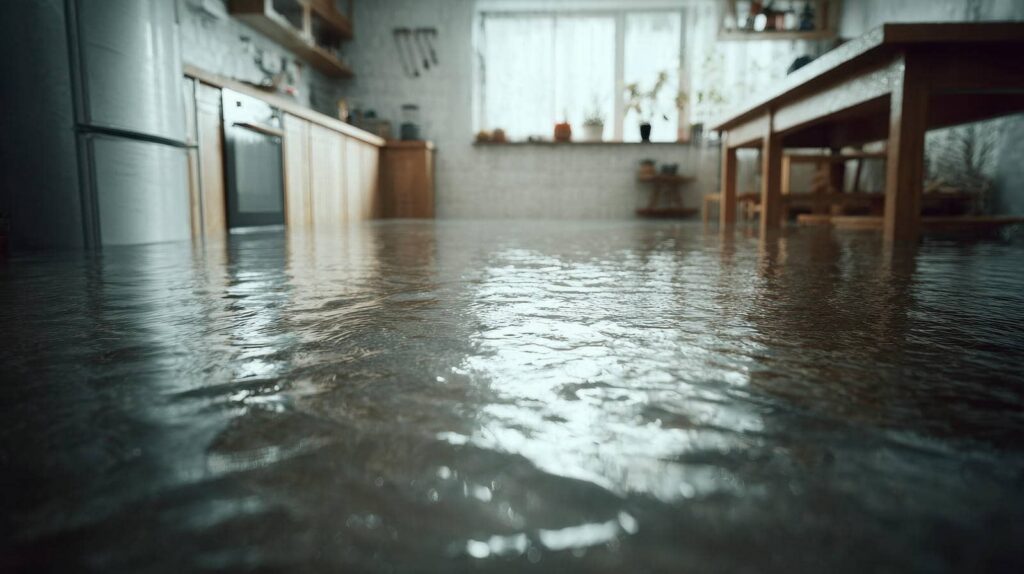
Flood Damage Restoration begins with taking immediate action to reduce structural damage and protect your health. As soon as it is safe, shut off the electricity, document the affected areas for insurance purposes, and begin removing standing water. Prompt drying of walls, floors, and furnishings helps minimize damage and significantly reduces the risk of mold growth. The first few hours are critical, and following the proper flood damage restoration process can make a major difference in how much of your property can be successfully restored.
Key Takeaways
- Shut off electricity and gas if safe, document damage, and remove standing water immediately.
- Fast drying limits mold growth, structural deterioration, and expensive secondary repairs.
- Use pumps, wet vacuums, fans, and dehumidifiers to extract water and reduce moisture.
- Inspect framing, foundations, and electrical systems for hidden damage before reoccupying the property.
- Monitor moisture levels, clean salvageable items, and work closely with restoration professionals throughout cleanup.
What to Do After Flood Damage
After flood damage, you should act quickly to reduce further harm and start the restoration process. First, turn off electricity and gas if it’s safe, then document visible damage with photos for insurance records.
Next, remove standing water with pumps, wet vacuums, or mops, and move undamaged belongings to a dry area. Open windows only if outdoor conditions help; otherwise, use fans and dehumidifiers to control moisture.
Remove soaked rugs, cardboard, and porous items that can trap water. Wear protective gloves and boots to avoid contaminants.
Contact a trusted flood damage restoration team to inspect hidden moisture, sanitize affected surfaces, and guide your next steps. You’re not handling this alone; careful, methodical action helps your property and community recover with confidence.
Why Fast Restoration Prevents Bigger Damage
Fast restoration stops water from weakening framing, drywall, and flooring, so you can reduce structural deterioration before it spreads.
It also limits mold growth by removing moisture quickly and keeping surfaces dry.
Stops Structural Deterioration
When floodwater sits in your home, it doesn’t just damage finishes—it starts weakening wood, drywall, insulation, and other structural materials.
You protect your property by removing water quickly and beginning controlled drying before saturation spreads deeper into framing and subfloors. Technicians measure moisture, identify hidden pockets, and use targeted extraction and airflow to stabilize materials.
This fast response helps preserve load-bearing components, limit swelling, warping, and delamination, and reduce the need for extensive reconstruction.
You’re not just cleaning up; you’re safeguarding the structure that supports your home and your peace of mind. Acting early keeps small failures from turning into costly system-wide deterioration, so your space can recover with greater strength and fewer surprises for everyone who relies on it.
Limits Mold Growth
As floodwater lingers, moisture seeps into porous materials and creates the conditions mold needs to begin colonizing within 24 to 48 hours.
When you start restoration quickly, you interrupt that growth cycle before spores spread through drywall, insulation, and framing. You can count on trained crews to extract standing water, remove saturated materials, and dry hidden cavities with calibrated airflow and dehumidification.
That control matters because mold thrives in damp, stagnant spaces you can’t always see. Fast action also helps you limit airborne spore release, which supports healthier indoor conditions for everyone in your home or building.
If you move promptly, you’re not just reacting to damage—you’re protecting the environment you share and keeping the restoration process on a safer, more manageable path.
Reduces Repair Costs
Acting quickly after flooding can help you avoid much larger repair bills. When you start flood damage restoration right away, you limit water absorption in drywall, flooring, insulation, and framing. That means you’re less likely to need full material replacement, structural repairs, or antimicrobial treatment later.
Fast extraction also protects electrical systems, cabinetry, and finishes before corrosion, swelling, or delamination set in. By drying the property early, you reduce the chance that hidden moisture spreads into adjacent rooms and creates new damage.
You also keep the project scope smaller, which helps your team work efficiently and keeps costs predictable. If you act promptly, you’re protecting both your budget and your property, and you’re joining other owners who recover with fewer surprises and less disruption.
How Pros Remove Standing Water
Pros start by rapidly extracting standing water with high-capacity pumps and wet vacuums to limit further damage.
You’ll see technicians map water depth, choose the right intake points, and remove water in stages so they don’t stress weakened structures.
They use squeegees, submersible pumps, and truck-mounted extraction units to clear hidden pockets from low spots and trapped areas.
This method helps you regain control fast and keeps contaminants from spreading through the property.
Professionals also verify where the water came from, so they can handle clean, gray, or sewage-contaminated water with the proper safety steps.
When your team works this way, you’re not just getting water out—you’re joining a careful process built to protect your home, your health, and your peace of mind.
Drying Out Walls, Floors, and Furniture
Once standing water is removed, technicians focus on drying the structure quickly and evenly to stop moisture from settling into walls, subfloors, and furnishings.
You’ll usually see air movers positioned to create steady airflow, while dehumidifiers pull vapor from the air and help materials release trapped moisture.
Technicians may lift carpet edges, open wall cavities, and place sensors to track readings in real time.
They’ll also separate salvageable furniture so wood, fabric, and padding dry at the right pace.
This controlled process limits warping, swelling, and staining, and it gives you a clear path back to a stable home.
How Flood Damage Restoration Stops Mold
After the structure is dried, the next priority is stopping mold before it starts. You protect your property by removing damp materials that can’t be fully cleaned, then applying antimicrobial treatments to surfaces with hidden residue.
Technicians check moisture levels in walls, floors, and cavities, because mold needs lingering water to grow. They use dehumidifiers and targeted airflow to keep indoor humidity low and stable.
You’ll also benefit from prompt cleaning of salvageable items, since dust and organic debris can feed spores. This process creates a healthier indoor environment for your household and helps you feel confident moving forward.
When you act quickly and follow proven restoration steps, you’re not just drying a building—you’re protecting the space where your family belongs.
Fixing Structural and Electrical Damage
Water can weaken framing, warp subfloors, and damage drywall fast, so restoration teams inspect the structure for hidden deterioration before repairs begin.
You’ll get a clear plan that protects your home and helps you feel informed, not overwhelmed. They check load-bearing members, measure moisture, and verify whether materials can stay or need removal.
Licensed electricians also test circuits, outlets, and panels before power returns, because concealed corrosion can create serious hazards.
- Document damage.
- Stabilize compromised areas.
- Replace unsound materials.
- Confirm safe electrical operation.
This process keeps repairs precise and code-aware. When your team explains each step, you can trust you’re part of a careful, local effort to make your property safe again.
Restoring Your Home After a Flood
You should first assess the structural damage so you can identify compromised framing, flooring, and load-bearing elements.
Then you need to dry and dehumidify the affected areas to remove trapped moisture and limit mold growth.
With prompt, controlled restoration, you can stabilize your home and move it toward safe recovery.
Assessing Structural Damage
Before any cleanup begins, inspect the structure for signs of compromised safety, including warped framing, cracked foundations, sagging floors, and shifted walls.
You’re not just looking for visible damage; you’re verifying whether the home still carries loads safely. Walk the perimeter, then move room to room and note any distortion in alignment, separation at joints, or unusual movement underfoot.
If anything seems uncertain, stop and call a qualified inspector.
- Check foundation lines for new cracks.
- Compare door and window frames for binding.
- Look for bowed beams, studs, or joists.
- Document every change with photos and notes.
You’re part of a careful recovery team when you record findings clearly. That helps you make sound decisions and protects everyone who enters your home.
Drying And Dehumidifying
Once you’ve confirmed the structure is safe, start removing moisture immediately to limit secondary damage. You should extract standing water with pumps or wet vacuums, then open wall cavities and remove saturated insulation.
Set up high-velocity air movers to accelerate evaporation, and pair them with commercial dehumidifiers to pull vapor from the air. Keep indoor humidity low and maintain consistent airflow so materials dry evenly.
Monitor moisture with a meter in framing, drywall, and subfloors; don’t rely on touch alone. You’ll know you’re on track when readings return to normal ranges and odors fade.
If you’re working with a restoration team, stay involved and ask for daily progress updates. Acting quickly helps your home dry safely, reduces mold risk, and gets your space back to normal.
Frequently Asked Questions
How Long Does Flood Damage Restoration Usually Take?
You’ll usually need a few days to several weeks, depending on water depth, materials affected, and drying time. You can speed recovery by starting extraction fast, controlling moisture, and monitoring for mold throughout restoration.
Does Insurance Cover Flood Damage Restoration Costs?
Not always; you’ll need a separate flood policy, because standard homeowners insurance usually excludes flood damage. You should review your coverage, document losses, and contact your insurer promptly. Prevention matters: an ounce of protection beats costly repairs.
Can I Stay in My Home During Restoration?
You can sometimes stay, but you’ll need to avoid affected areas, follow safety guidance, and allow crews access. If contamination, structural damage, or mold risks exist, you should relocate until restoration’s complete.
What Documents Should I Keep for My Flood Claim?
As if from a ledger, you should keep photos, videos, receipts, invoices, estimates, inventory lists, correspondence, and your policy. You’ll strengthen your claim, track losses, and feel supported while you document everything carefully.
How Do I Choose a Reliable Restoration Company?
Choose a reliable restoration company by checking licenses, insurance, 24/7 response, IICRC certification, references, and clear estimates. You’ll want crews who communicate well, document work, and use proven drying and mold-prevention methods.
Conclusion
When floodwater hits your property, act quickly: shut off power, document the damage, and start water removal right away. Fast flood damage restoration limits structural decay and reduces mold risk. Professionals use pumps, dehumidifiers, and moisture monitoring to dry walls, floors, and furniture safely. By repairing electrical and structural systems promptly, you can restore your home with confidence and protect its future—like rebuilding a solid bridge after a storm.