
Key Takeaways
- Shut off electricity if safe, avoid standing water, and start removing floodwater immediately.
- Rapid extraction reduces structural damage, mold growth, and restoration costs.
- Use pumps, wet vacs, or extractors to clear the deepest pooled water first.
- Open airflow paths, dehumidify, and remove wet porous materials before mold spreads.
- Call professionals for rising water, hidden wall damage, sewage contamination, or more than a few inches of standing water.
What to Do After Flooding
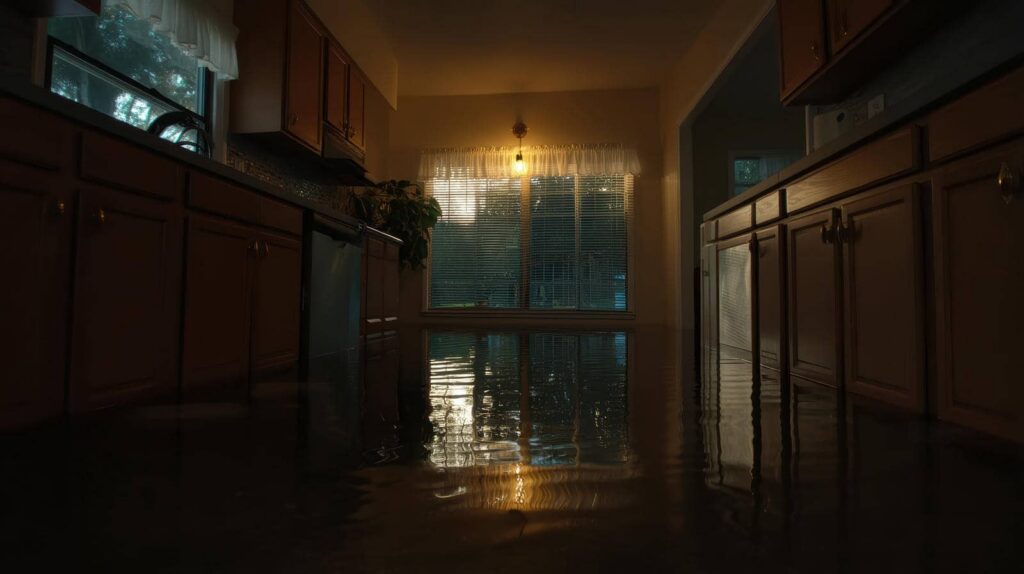
After flooding, act quickly to stop further damage and protect the property: shut off electricity if it’s safe to do so, avoid standing water, and begin emergency flood water removal as soon as possible.
You should document visible damage with photos, then move valuables, rugs, and loose items to a dry area. If water reached outlets, appliances, or HVAC equipment, keep out until a qualified professional clears the space.
Wear gloves, boots, and a mask before entering contaminated areas. Open windows only if conditions are safe and outside air is dry.
Contact your insurer and restoration team right away so you’re not handling this alone. Your crew can assess water depth, select proper extraction tools, and stabilize the site.
Stay organized, follow instructions, and act as a team to restore control.
Why Fast Removal Matters
You need to remove flood water fast because every minute increases saturation in walls, floors, and insulation.
Rapid extraction limits structural damage by reducing warping, swelling, and material failure. It also cuts off conditions that let mold start growing within hours.
Rapid Damage Reduction
Rapid floodwater extraction slows the damage cascade before it spreads through flooring, drywall, and structural materials. You cut off saturation before adhesives weaken, subfloors swell, and framing starts to deform.
Every minute you wait, water wicks farther into joints, insulation, and hidden cavities, raising restoration complexity and cost. Fast removal also helps you reclaim usable spaces sooner, so your home or business doesn’t feel locked down longer than necessary.
When you act quickly, you give your response team a cleaner starting point, with less demolition and fewer replacements. That means tighter control, faster recovery, and a better outcome for your property and your crew.
In a flood event, you’re not overreacting—you’re protecting the structure, the schedule, and the people who count on it.
Mold Growth Prevention
When floodwater lingers, mold can begin colonizing damp materials within 24 to 48 hours, especially in hidden spaces where moisture and warmth stay trapped. You need to act fast because every soaked surface becomes a growth site.
Emergency extraction helps you lower humidity, stop spore activation, and protect your structure before contamination spreads.
- Remove standing water immediately.
- Open airflow paths and dehumidify.
- Discard porous items that stay wet.
- Inspect walls, subfloors, and insulation.
You’re not just drying a room; you’re defending your home’s health. Fast removal keeps your cleanup team ahead of microbial amplification, reduces odor formation, and limits costly remediation.
When you move quickly, you join the homeowners who prevent mold instead of chasing it later.
Safety Steps Before You Start
Before you begin emergency flood water removal, shut off electricity to the affected area, stop the water source if you can do so safely, and wear protective gear such as waterproof gloves, boots, and a mask.
Check for gas leaks, sharp debris, weakened flooring, and contaminated water before you step inside. You should keep children, pets, and unprotected helpers out of the zone.
Use a flashlight, not a switch, to inspect dark areas. If water reaches outlets, appliances, or the breaker panel, call a qualified professional immediately.
Move carefully, stay alert for hidden hazards, and don’t rush. Your team needs clear roles, direct communication, and a safe entry path before any extraction starts.
When you prepare this way, you protect yourself, your home, and everyone counting on you.
Remove Standing Water From Every Room
Start with the deepest pooled water in each room, because standing water increases structural damage and accelerates mold growth.
Use pumps, wet vacs, or extractors to remove it quickly, then move room by room without leaving low spots untreated.
Check hidden spaces like closets, under cabinets, and behind doors, since trapped water can keep damaging materials after the visible flood is gone.
Prioritize Deep Pooled Water
Deep pooled water should be your first extraction target because standing water drives the fastest structural damage and mold growth. You need to move with purpose, because every minute lets moisture wick into subfloors, trim, and wall assemblies.
Start where depth is greatest, then work room by room so your team can stabilize the area fast.
- Mark the deepest pools first.
- Deploy the right pump or wet vac.
- Keep discharge moving away from the structure.
- Recheck each room until no visible water remains.
When you clear these areas quickly, you protect the whole response zone and keep your crew aligned.
Don’t chase surface dampness yet; take out the bulk water first, then reassess.
Check Hidden Room Spaces
Check hidden room spaces next so no standing water lingers in closets, under furniture, behind doors, or along base cabinets.
You need to inspect every room edge with a flashlight and probe. Pull items away from walls, open closet doors, and check behind appliances, dressers, and storage bins.
Water often hides in low spots, trim gaps, and carpet padding, where it can keep feeding mold and structural damage.
If you belong to a cleanup crew, coordinate fast: one person moves contents, another extracts water, and another marks damp zones.
Use a wet vac, pump, and towels to reach tight areas. Don’t leave moisture trapped.
Recheck each space after removal, because overlooked puddles can restart odors and slow drying across the whole home.
Dry Walls, Floors, and Hidden Spaces
Once the standing water is gone, you need to dry walls, floors, and hidden spaces immediately to stop moisture from spreading into framing, insulation, and subfloors. You’re protecting your structure and your crew of helpers by moving fast and staying methodical.
- Pull baseboards and open wall cavities where trapped water lingers.
- Run high-velocity air movers across wet surfaces and through hallways.
- Use dehumidifiers to lower indoor moisture and stabilize air.
- Check closets, toe kicks, and under cabinets for trapped dampness.
Lift carpets, expose padding, and separate stacked materials so airflow reaches every layer.
Measure moisture often, keep records, and keep doors open when conditions allow. Fast drying reduces secondary damage and helps your space return to safe, usable condition.
Stop Mold After Flood Damage
To stop mold after flood damage, you need to eliminate moisture fast and keep contaminated materials from staying wet. You should remove standing water, then run dehumidifiers and high-velocity air movers to drive relative humidity below 60 percent.
Open cavities, remove baseboards, and expose trapped moisture in wall gaps, subfloors, and insulation. Bag porous items that stayed saturated and discard them promptly; don’t let them linger.
Clean hard surfaces with detergent, then apply an EPA-registered antimicrobial where appropriate. Keep the area warm and ventilated, and monitor for damp odors, discoloration, or soft drywall that signals active growth.
Save Belongings During Cleanup
Act fast to save belongings during cleanup, because every minute of standing water increases the chance of permanent loss. You should sort items by material and saturation level, then move them to a dry, ventilated zone. Protect your team’s shared space by working in zones and labeling everything.
- Lift textiles, papers, and electronics first.
- Remove mud with clean water and cloths.
- Separate salvageable items from swollen, warped, or stained ones.
- Dry contents with airflow, not heat.
You can preserve family keepsakes, tools, and records if you act with discipline. Don’t stack wet items; pressure traps moisture and spreads damage.
Keep inventory notes, photos, and tags so you don’t lose track. Fast, organized cleanup helps you protect what matters and stay connected to the place you call yours.
When to Call Water Removal Pros
When water keeps rising, spreads into walls, or leaves you dealing with contaminated sludge, you should call water removal pros right away.
You need trained crews when standing water exceeds a few inches, electrical systems may be wet, or porous materials like drywall, insulation, and carpet have soaked through.
Pros use submersible pumps, truck-mounted extraction, moisture meters, and containment protocols to stop further spread.
If you smell sewage, see discoloration, or can’t fully dry the space within 24 hours, don’t wait.
Fast intervention protects your home’s structure and your crew from mold, corrosion, and bacterial exposure.
When you act quickly, you join other owners who take control, restore safety, and keep damage from compounding overnight.
Frequently Asked Questions
How Much Does Emergency Flood Water Removal Usually Cost?
You’ll usually pay $1,000 to $5,000 for emergency flood water removal, but severe losses can cost more. You’ll reduce damage when you act fast, and your team’ll often handle extraction, drying, and sanitation.
Can Flood Damage Be Covered by Homeowners Insurance?
Usually not: your homeowners policy often covers sudden burst-pipe water, but separate floodwater needs NFIP or flood insurance. Check deductibles, exclusions, and limits now; you’re not out of the woods until you confirm coverage.
How Quickly Should I Document Flood Damage for a Claim?
Document flood damage immediately—ideally within hours, before you move or dry anything. You’ll strengthen your claim by taking dated photos, videos, and notes, then contacting your insurer and keeping every receipt and message.
Are Sewage-Contaminated Floodwaters Handled Differently?
Yes—sewage-contaminated floodwaters need stricter handling: you’ve got about 24 hours before mold can surge. You should isolate the area, wear PPE, disinfect surfaces, and bring in professionals fast to protect your home and crew.
Can I Stay in My Home During Flood Cleanup?
You can stay only if your home’s structure, utilities, and air quality are safe; otherwise, you should leave. You’ll need professional assessment, isolation of affected areas, and PPE to reduce contamination, moisture, and mold risks.
Review
When floodwater hits, every minute counts. You need to act fast, cut power, remove standing water, and start drying surfaces before damage spreads like wildfire. Keep air moving, inspect hidden spaces, and salvage what you can safely document. If water keeps returning or contamination is present, call water removal pros right away. Your speed protects structure, limits mold, and reduces repair costs—because in flood recovery, hesitation is expensive and time isn’t on your side.