
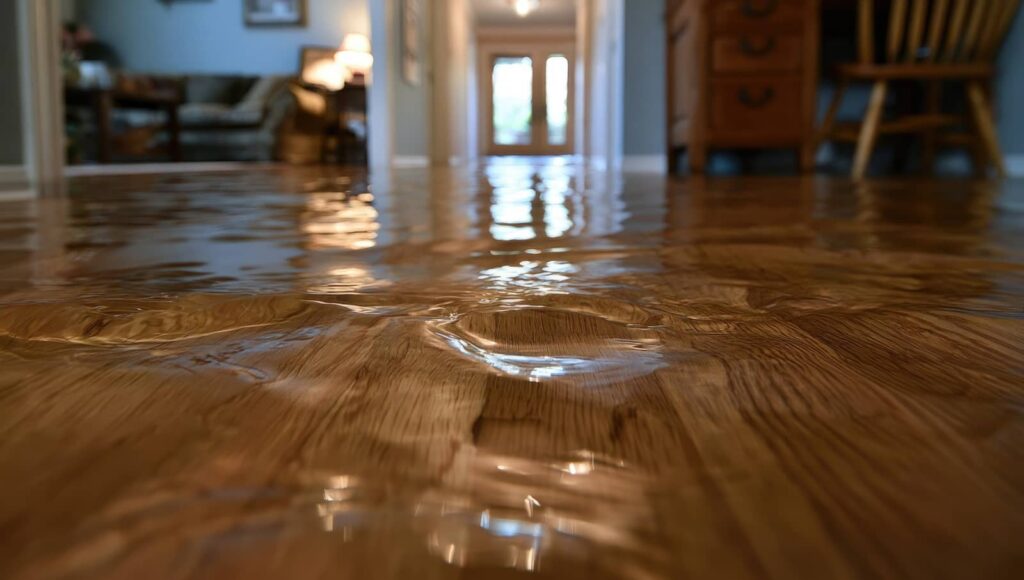
When water slips into your basement like an unwelcome tide, you need to act fast and in the right order. You’ll shut off power, remove standing water, strip damaged materials, and dry the space before mold takes hold. Then you’ll inspect the structure, salvage what you can, and decide whether the job stays in your hands or calls for a pro—because the next step can change everything.
Key Takeaways
- Document the flooding with photos, then shut off water and electricity if safe before entering the basement.
- Remove standing water quickly using pumps or a wet/dry vacuum, and discharge it away from the foundation.
- Tear out soaked carpet, cardboard, and damaged drywall at least 12 inches above the waterline.
- Dry and disinfect all exposed surfaces with fans, dehumidifiers, detergent, and disinfectant to prevent mold growth.
- Call a professional for sewage, structural damage, or water near outlets, HVAC, or finished walls.
What to Do After Basement Flooding
After basement flooding, you should act quickly to limit water damage and reduce mold risk. Enter only when conditions are safe, then document the affected areas with photos for your basement flood damage repair record.
Remove standing water with pumps, wet vacuums, or buckets, and start dehumidifiers and fans to speed drying. Pull out soaked carpet, padding, cardboard, and other porous items that can trap moisture and odors.
Clean hard surfaces with detergent and disinfectant to reduce contamination. Check walls, baseboards, insulation, and stored items for swelling, staining, or softness.
Separate salvageable belongings from ruined materials so you can plan repairs efficiently. Keep the space ventilated and monitor humidity until materials are dry, stable, and ready for professional assessment.
Shut Off Water and Power Safely
Once you’ve confirmed the area is safe to enter, shut off the basement’s water supply at the main valve to stop additional flooding and isolate any leaking fixtures or pipes.
If you can’t reach the valve without contacting water, don’t force it; call a licensed plumber for support.
Next, de-energize basement circuits at the main electrical panel only if it’s dry and accessible.
If standing water surrounds outlets, appliances, or the panel, stay out and contact your utility or an electrician.
Use a flashlight, not candles, and keep your team clear of wet metal, cords, and submerged equipment.
Label shutoffs so everyone in your household knows the sequence.
Clear communication helps you protect the space, reduce hazards, and stay aligned as you begin recovery with confidence and control.
Pump Out Standing Water Fast
Start pumping out standing water as soon as the basement is safe and power is disconnected, because the longer water sits, the more it soaks into drywall, insulation, flooring, and framing.
Use a submersible pump or a wet/dry vacuum rated for flood cleanup, and discharge water outdoors away from the foundation.
Remove water in stages if the basement is deeply flooded so you don’t create pressure that stresses walls or lets soil wash back toward the footing.
Monitor the pump continuously, clear debris from the intake, and keep hoses kink-free for steady flow.
If water keeps returning, pause and trace the source before continuing.
Work methodically with gloves and boots, and you’ll protect the structure while setting your team up for the next cleanup steps.
Remove Damaged Flooring and Drywall
You should remove any waterlogged flooring as soon as the area is dry enough to work safely, because saturated materials trap moisture and accelerate deterioration.
Next, cut out damaged drywall to at least 12 inches above the visible waterline, since hidden wicking can leave contaminated material behind. This step helps limit odor, mold growth, and further structural damage.
Remove Waterlogged Flooring
Remove waterlogged flooring and damaged drywall as soon as the basement is safe to enter, since these materials hold moisture, trap odors, and create ideal conditions for mold growth.
You should lift carpet, pad, laminate, and other finished flooring with hand tools, then bag and remove debris promptly. If vinyl or tile stays bonded to a wet subfloor, don’t force it; mark the area for later replacement.
Cut power to nearby circuits before you work, and wear gloves, eye protection, and a respirator. Keep removed materials out of the living space to protect your household and support a clean recovery.
Expose the subfloor so you can inspect for swelling, soft spots, or staining. Working methodically now helps your basement dry faster and keeps your repair team aligned.
Cut Out Damaged Drywall
Cut damaged drywall out at least 12 inches above the highest waterline, since drywall wicks moisture upward and can hide saturation inside the wall cavity.
You should trace the cut line with a level, then use a utility knife or drywall saw to remove all compromised panels cleanly.
As you work, inspect insulation, framing, and electrical runs for moisture, staining, or swelling.
Bag debris right away so you keep dust, odors, and mold spores from spreading through your basement.
If baseboards or trim stayed wet, pull them too.
Your goal is to expose dry framing that you can disinfect and dry fast.
When you do this methodically, you protect your home and join the group of owners who stop hidden damage before it grows.
Dry and Disinfect the Basement
You should remove all standing water with pumps, wet vacs, or extraction equipment as soon as possible.
Then dry the basement with dehumidifiers and high-velocity fans until moisture levels return to normal.
After the surfaces are dry, disinfect floors, walls, and other hard materials thoroughly to reduce mold growth and contamination.
Remove Standing Water
Begin by extracting standing water as quickly as possible with pumps, wet vacs, or professional water-removal equipment. Then open windows, run fans, and use dehumidifiers to accelerate drying.
You should work in sections so you can track progress and avoid spreading moisture into already drying areas. Remove soaked rugs, cardboard, and other absorbent materials that trap water and slow recovery.
Check wall bases, floor corners, and utility spaces for hidden pools, and clear them immediately. If the water level has dropped, use a mop and squeegee to pull remaining moisture toward the drain or extraction point.
Keep air moving continuously until surfaces feel dry to the touch. Acting quickly helps you protect your basement, reduce odor, and stay ahead together through recovery.
Disinfect Surfaces Thoroughly
Once standing water is gone and damp areas have dried, disinfect every affected surface to limit bacteria, odors, and mold growth.
You should clean concrete, masonry, framing, and exposed metal with a detergent solution first, then apply a disinfectant labeled for flood cleanup. Follow the contact time exactly so it can work properly.
Wear gloves, eye protection, and a respirator if dust or spores may be present. Scrub seams, corners, and hidden edges where contamination lingers.
Replace dirty rags and rinse tools often to avoid spreading residue. If you share the space with family, keep them out until surfaces are dry and safe.
After treatment, inspect for remaining stains, musty odor, or soft material. If problems persist, repeat cleaning or call a remediation professional.
Prevent Mold and Remove Musty Odors
After basement flood damage, fast drying and thorough cleaning help prevent mold growth and remove musty odors before they spread. You should run dehumidifiers, open vents, and keep airflow steady until all surfaces feel dry.
Remove soaked insulation, carpet padding, and other porous items that trap spores and smell. Clean hard surfaces with a detergent solution, then apply an EPA-registered antimicrobial if the label allows.
To stay on track, focus on:
- Hidden moisture under baseboards
- Damp corners behind stored items
- Wet fabrics and cardboard
- HVAC filters that need replacement
Seal dry materials in clean containers, and use odor absorbers like activated charcoal. If smells linger, repeat drying and cleaning.
You’re not just fixing damage—you’re restoring a healthy space everyone can trust.
Inspect for Structural and Foundation Damage
With the water removed, you should inspect the basement’s structure for cracks, shifting, and weakened materials.
Check foundation walls, floor slabs, beams, posts, and sill plates for bowing, separation, spalling, or new gaps at joints. Use a flashlight and level to compare both sides of the room, and mark any changes you find.
Tap suspect concrete and listen for hollow spots that can signal internal deterioration. If you notice efflorescence, rusted reinforcement, or wood that stays soft after drying, treat it as a structural concern.
You belong in a safe, stable home, so don’t ignore movement or visible distortion. Measure crack width, photograph each area, and note whether damage is active or stable.
When in doubt, contact a structural engineer promptly.
Save Wet Contents Before They Ruin
While you’re checking for structural damage, move quickly to save any wet contents before they worsen. You’ll reduce loss by sorting items into keep, clean, and discard piles.
Pull salvageable belongings into a dry, ventilated space, and place them on pallets or clean tarps. Use labels so your team can track what’s been moved and what still needs attention.
- Photograph each item before handling it.
- Remove soaked paper, cardboard, and fabric first.
- Rinse hard, nonporous items with clean water.
- Air-dry valuables with fans, not heat.
Act fast with books, electronics, and textiles; moisture spreads damage and odor. Wipe surfaces, open drawers, and separate items so trapped water can escape.
If you stay organized, you’ll protect more of what matters and keep recovery moving.
Decide Between DIY Repair and Pros
How do you decide whether basement flood repairs are a DIY job or need a pro? Start with scope. If you’ve got a small spill, clean water, and no drywall, insulation, or wiring affected, you can pump, dry, disinfect, and monitor humidity yourself.
Use fans, a dehumidifier, and moisture meters until readings stabilize.
Call a licensed water damage contractor if you see sewage, structural movement, repeated seepage, or mold growth.
You also need pros when water reaches outlets, HVAC, or finished walls, because hidden moisture can spread odors and decay fast.
Choose the team path when you want your home’s dry, safe baseline restored with confidence.
You’re not overreacting; you’re protecting your space, your time, and everyone who belongs there.
Frequently Asked Questions
How Long Does Insurance Usually Take to Approve Basement Flood Claims?
You’ll usually get approval in 7 to 30 days, though complex basement flood claims can take longer. You should submit photos, receipts, and a detailed inventory quickly to help speed their review and payment.
Can Basement Flood Damage Affect Home Resale Value?
Yes, basement flood damage can lower your home’s resale value if you don’t document repairs, control moisture, and prove structural integrity. You can protect value by fixing damage, removing odors, and preventing mold recurrence.
What Permits Are Needed for Major Basement Flood Repairs?
You’ll usually need building, plumbing, electrical, and sometimes mechanical permits; structural work may require engineered plans. Last spring, a 2-inch flood turned one permit into four, and you’ll save time by checking your local office first.
How Can I Tell if Floodwater Contaminated Stored Belongings?
You can tell by water source, odor, stains, and residue: sewage, chemicals, or muddy floodwater contaminate items. If you’re unsure, treat porous belongings as unsafe, discard food, and disinfect hard surfaces thoroughly.
Which Upgrades Best Reduce Future Basement Flooding?
You’ll reduce flooding most with a sump pump, backup battery, backwater valve, exterior drainage, and sealed foundation cracks. Tests show these upgrades cut water intrusion sharply, so you can protect your space and stay confident.
Conclusion
When the water recedes, you’re left with more than a wet basement—you’re staring at the first signs of recovery. Treat every dark stain, warped board, and damp odor like a warning light. Shut down the source, clear the water, dry the space, and inspect the structure before you rebuild. If the damage feels deeper than surface level, call a pro. Your basement can become a dry foundation again, not a shadow of the flood.