
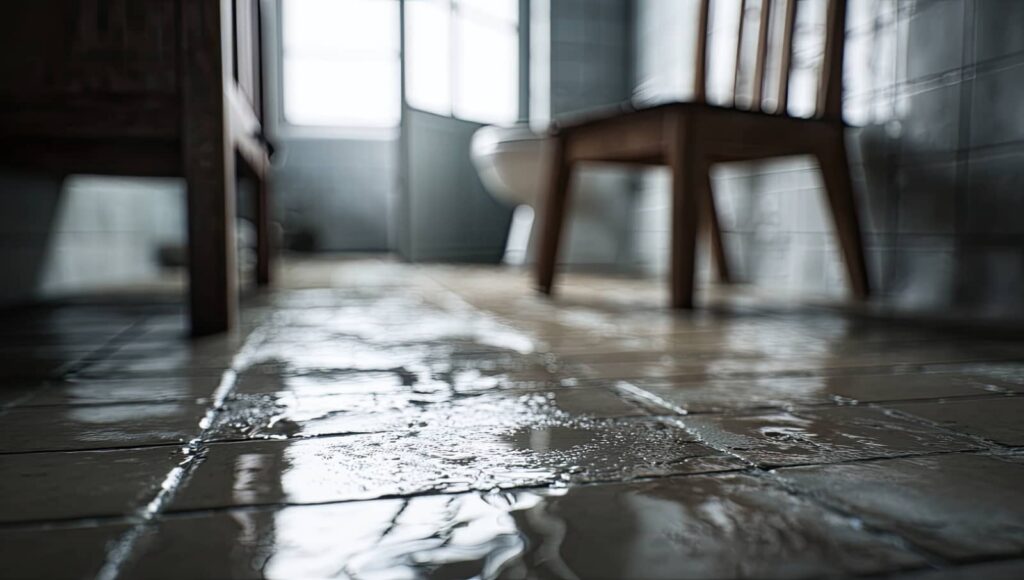
When water sneaks into your home like an uninvited guest, you need to act fast. If you see standing water, soaked materials, or smell musty odors, call a flood restoration company right away. They can find hidden moisture, remove water, dry structural areas, and limit mold risk. If insulation or framing is wet, waiting can turn a manageable problem into a costly one, and the next step matters more than you might expect.
Key Takeaways
- Call a flood restoration company when you see standing water, soaked materials, or widespread moisture.
- Contact professionals if you notice musty odors, warped surfaces, or high moisture readings.
- Hire experts quickly to extract water and prevent further damage, contamination, and mold growth.
- Use restoration help when moisture remains after flooding and drying equipment is needed.
- Seek professional inspection when water reaches insulation, walls, cabinets, or other structural components.
When to Call Flood Restoration Pros
If you’re dealing with standing water, soaked building materials, or widespread moisture after a flood, it’s time to call flood restoration pros.
You should also contact them when you notice musty odors, warped surfaces, or moisture readings that stay high after the storm.
A qualified team can assess damage quickly, identify hidden impact, and create a safe restoration plan.
Knowing when to call flood restoration company experts helps you act before contamination spreads or materials deteriorate further.
You’ll gain clear guidance, documented findings, and a coordinated response that fits your property’s needs.
If you’re unsure, trust your instincts: when water reaches structural components, cabinetry, or insulation, professional support can protect your space and help you move forward with confidence, sooner.
Why Water Extraction Comes First
Water extraction comes first because standing water keeps damaging materials, raises humidity, and creates ideal conditions for mold growth.
When you remove it quickly, you stop water from wicking into drywall, baseboards, and flooring, which limits hidden damage. You also reduce contamination spread across the affected area, helping your home stay safer for you and your household.
A restoration team uses specialized pumps and vacuums to clear pooled water efficiently and assess where moisture has traveled. That early action gives you the best chance to protect structure, contents, and finishes.
If you’re facing a flood, you’re not dealing with it alone. Calling professionals early puts you on the right path and helps your space recover with less disruption and more confidence.
When Drying Equipment Is Needed
When moisture lingers after a flood, drying equipment becomes essential to prevent hidden damage from spreading.
You’ll need professional air movers and dehumidifiers when floors, drywall, insulation, or subfloors still hold water after extraction. These tools help lower humidity, speed evaporation, and stabilize indoor conditions before materials begin to warp or support microbial growth.
If you notice damp odors, cool surfaces, condensation, or soft spots, don’t wait; your home’s building materials may still be saturated.
A trained restoration team can place equipment strategically, monitor moisture levels, and adjust drying to match your space. That means you’re not handling the risk alone. You’re protecting your property with a team that knows how to restore safe, dry conditions efficiently and confidently.
What Flood Cleanup and Repairs Include
Cleanup after a flood goes beyond removing standing water. You’ll need professionals to remove damaged materials, extract hidden moisture, and safely handle contaminated debris.
They’ll inspect walls, floors, insulation, cabinets, and baseboards, then decide what can be cleaned and what must be replaced. You can expect targeted demolition where water has soaked structural components, followed by sanitation of salvageable surfaces and contents.
Technicians also document damage, protect undamaged areas, and coordinate repairs that restore your home’s function and appearance. That may include drywall replacement, flooring repair, trim work, and repainting.
When you call a flood restoration company, you’re bringing in a team that understands the process, communicates clearly, and helps you get your space back in order with confidence and care.
How Flood Restoration Prevents Mold
Even after the visible water is gone, moisture can stay trapped in drywall, subfloors, insulation, and framing, creating the ideal conditions for mold growth.
You protect your home when restoration crews act fast with extraction, structural drying, and humidity control. They use moisture meters and thermal imaging to find hidden damp areas, then remove contaminated materials before spores can spread.
You also get targeted antimicrobial treatment and thorough cleaning of affected surfaces, which helps stop colonies from forming. By restoring safe moisture levels quickly, you reduce odor, staining, and health risks.
When you call a flood restoration company, you’re not just fixing damage—you’re protecting the people and spaces that make your home feel like yours.
Frequently Asked Questions
How Quickly Should I Call After Discovering Floodwater?
Call them immediately—ideally within hours. You’ll limit damage, reduce mold risk, and start extraction and drying fast. If you wait, water keeps spreading, so act now and protect your home.
Can I Stay in My Home During Restoration?
Usually, you can’t stay comfortably or safely; calm rooms hide wet walls. You’ll need professionals to extract water, dry structures, clean contaminants, repair damage, and prevent mold, so you’re protected throughout restoration.
Will My Insurance Cover Flood Restoration Services?
Maybe—your policy may cover sudden water damage, but flood insurance often comes separately. You should review your coverage, document losses, and contact your insurer and restoration team quickly to protect your claim and reduce costs.
How Long Does a Typical Restoration Project Take?
You’ll usually see restoration take three to ten days, though larger losses can stretch longer. Your team moves like a steady tide, handling extraction, drying, cleanup, repairs, and mold prevention with reassuring precision.
What Belongings Can Be Saved After Flooding?
You can often save hard, nonporous belongings, like metal, glass, sealed plastics, and some furniture, if you act fast. You’ll also salvage photos, documents, and textiles after professional drying, cleaning, and mold prevention.
Wrap-Up
When you notice standing water, soaked materials, or musty odors, you shouldn’t wait to call flood restoration pros. Water can move fast, just like ink dropped in a glass, spreading into insulation and structural framing before you realize it. A quick response helps you extract water, dry hidden areas, and reduce mold risk. By acting early, you’ll protect your home, limit repairs, and give yourself the best chance to restore a safe, healthy space.