
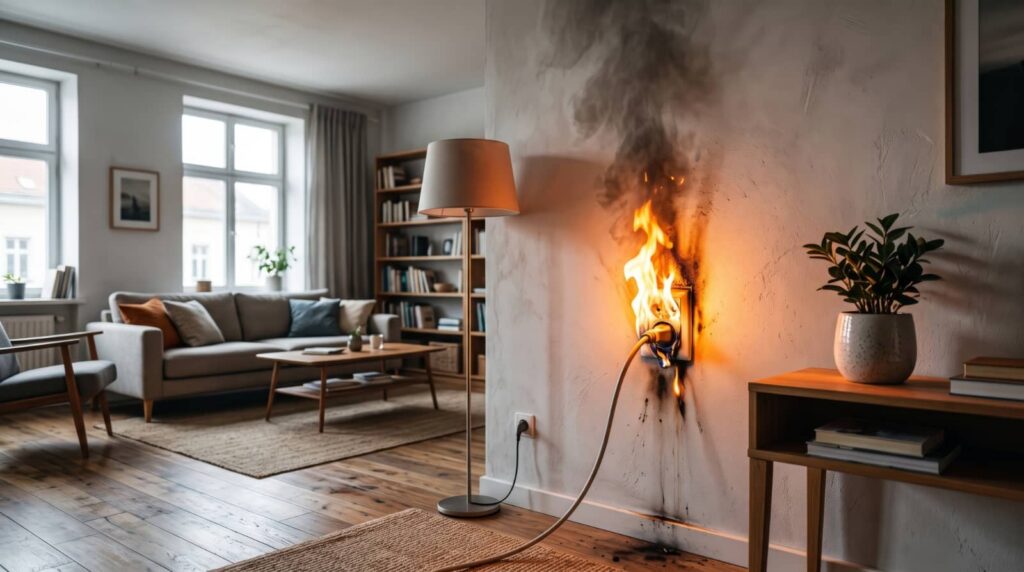
Black soot clings to your walls like a thin shadow after the flames are out. You should first secure the area, document the damage, and judge which materials are salvageable before you start any cleanup. Then you’ll need to ventilate, remove loose soot, clean affected surfaces, and check hidden systems for contamination. Some damage can wait for a methodical pass, but some problems start deeper than they look.
Key Takeaways
- Make the area safe first by shutting off power, documenting damage, removing occupants, and wearing protective gear.
- Improve air quality with cross-ventilation, HEPA air purifiers, and controlled humidity when conditions are safe.
- Remove loose soot using dry methods first, then clean surfaces with appropriate cleaners after testing a hidden spot.
- Clean upholstered items, carpets, and removable fabrics with low-moisture methods, blotting stains and improving drying.
- Inspect HVAC systems before use, and call restoration professionals for heavy soot, hidden contamination, or persistent odors.
What to Do First After Smoke Damage?
First, you should make the area safe and stop further damage. Shut off power if wiring or appliances were exposed, and keep everyone out until conditions stabilize.
Open windows if it’s safe, and use fans only when they won’t spread residue. Document visible damage with photos so you can coordinate with your insurer and cleanup team.
Remove people, pets, and sensitive items from affected rooms. If water from suppression systems is present, dry it quickly to limit secondary damage.
Then contact a qualified restoration service to begin the smoke damage cleanup process. They can organize containment, debris handling, soot removal, odor treatment, and surface cleaning in a controlled sequence.
Acting quickly helps your household stay protected, supported, and ready for the next recovery step.
Assess Smoke Damage Before Cleaning
Before you clean, inspect the affected areas to identify the type and extent of smoke damage. Note whether the residue is dry, powdery soot or sticky, oily film, since each needs a different cleaning method.
Check walls, ceilings, trim, cabinets, fabrics, and hidden spaces for staining, etching, or discoloration. Record the heaviest deposits and any materials that absorbed odor or heat.
If you see warped finishes, bubbling paint, or corrosion, mark those areas for separate treatment. Wear gloves and a respirator so you can work safely and stay part of the recovery effort with confidence.
Photograph every room and make a room-by-room list of affected surfaces. This assessment helps you choose the right products, limit recontamination, and restore your home in a controlled, organized way.
Ventilate Your Home and Improve Air Quality
Open windows only when outdoor conditions are safe, and create cross-ventilation to move smoke-laden air out of the structure.
You should place high-efficiency air purifiers in affected rooms and run them continuously to reduce airborne soot and fine particulates.
Monitor airflow and filter condition so you can maintain effective indoor air quality during cleanup.
Open Windows Safely
If weather and safety conditions allow, you should open windows to increase airflow and help clear lingering smoke particles from your home.
Start with rooms that have the least structural damage, then move through the space methodically. Open windows on opposite sides of the house to create cross-ventilation, and keep interior doors open so air can move freely.
Before you begin, check for broken glass, unstable frames, and outdoor hazards near each opening. If smoke remains heavy outside, close the windows again and wait for safer conditions.
Wear gloves and a respirator while you work, and avoid standing in direct drafts if soot is still loose.
Coordinate with your household so everyone knows which rooms are being aired out and which areas stay off-limits.
Run Air Purifiers
Set air purifiers with HEPA filters in the most affected rooms to capture airborne soot, ash, and fine smoke particles while the space continues to ventilate.
Position each unit away from walls and debris, then run it on the highest safe setting for continuous filtration.
You should close windows once outdoor air worsens or when the purifier can’t keep up, then restart ventilation later.
Replace clogged prefilters and monitor the filter indicator so airflow stays strong.
If you use activated carbon, let it run alongside HEPA filtration to reduce lingering odor compounds.
Keep doors open between connected rooms when possible so clean air moves through your home.
This helps your household recover together, lowering exposure and making each room safer, cleaner, and more comfortable.
Remove Loose Soot From Walls and Ceilings
You’ll remove loose soot from walls and ceilings using dry methods first to prevent smearing and embedment.
Use a HEPA vacuum with a soft brush attachment and work in controlled passes from top to bottom.
Keep the nozzle slightly off the surface and collect all residue before any wet cleaning begins.
Dry Soot Removal
Before any wet cleaning begins, remove loose soot from walls and ceilings with a dry-cleaning method to prevent smearing and deeper staining.
You should work methodically, starting at the highest point and moving downward in small sections. Use a dry sponge or chemical soot sponge and lift debris with light, straight passes; don’t scrub.
Replace the sponge when it loads up, because a dirty face can redeposit soot. Keep your pressure minimal so you don’t burnish the surface or push particles into paint pores.
Wear gloves and eye protection to stay safe and confident in the space. Check each section under strong light, then repeat until the surface looks evenly cleared.
When you finish, the area should feel dry, stable, and ready for the next cleaning step.
HEPA Vacuum Cleaning
Once the dry sponge has lifted the loose soot, use a HEPA vacuum to collect the remaining particles from walls and ceilings without spreading contamination.
Fit the machine with a clean brush attachment, then vacuum from top to bottom in slow, overlapping passes. Keep the nozzle slightly off delicate surfaces so you don’t mar paint or texture, and work one section at a time.
Replace the filter if suction drops or debris escapes. Seal nearby vents and doors to protect clean areas, and empty the canister only into a contained bag.
This step helps you and your crew stay in control, reduces airborne residue, and prepares the surface for washing, odor treatment, and final restoration.
How to Clean Smoke-Stained Surfaces
Start by dry-cleaning smoke-stained surfaces to remove loose soot without spreading it. You can use a HEPA sponge, microfiber cloth, or vacuum attachment, always moving in straight, overlapping passes.
After that, mix a mild alkaline cleaner with warm water unless the surface requires a manufacturer-approved product. Test a small hidden area first, then wipe from the cleanest section toward the dirtiest. Rinse cloths often so you’re not redepositing residue.
For painted walls, trim, and hard furnishings, use light pressure and avoid saturating seams. For porous materials, clean only if they’re salvageable.
Dry each area with clean towels and good airflow. As you work, stay methodical with your team and document progress so everyone keeps the same standard.
Remove Smoke Odors From Your Home
Odor control begins once soot and residue are removed, because smoke particles embedded in porous materials keep releasing smell into the air.
You should ventilate the home with crossflow airflow, then run HEPA air scrubbers and activated carbon filtration to capture airborne contaminants.
Seal cleanable surfaces if odor persists, and apply an odor-neutralizing treatment approved for fire restoration.
Monitor humidity, because damp air can intensify odor retention; keep indoor conditions dry and stable.
Use thermal fogging or hydroxyl treatment only when the source materials can’t be fully accessed.
Reinspect hidden cavities, ducts, and wall voids for trapped contamination.
When you follow these steps, you’re restoring a safer, more comfortable space for everyone who belongs in your home.
Clean Fabrics, Furniture, and Carpets
Begin cleaning fabrics, furniture, and carpets only after you’ve removed loose soot and controlled airborne residue.
Test each material on a hidden area, then match the cleaning method to the fiber and finish.
Vacuum upholstery and carpet with a HEPA-equipped machine, using slow overlapping passes to lift fine particles.
For washable fabrics, launder with a heavy-duty detergent and the warmest safe water.
For upholstered pieces, apply a dry or low-moisture cleaner, then blot, don’t scrub.
Treat carpets with a pH-balanced extraction solution, rinse lightly, and speed drying with airflow.
Clean cushions, drapes, and removable covers separately.
If staining or odor remains, repeat the process before reusing the room.
You’re restoring a space your household can trust again.
Inspect HVAC Systems for Smoke Damage
Next, inspect the HVAC system before you run it, because smoke can settle in ducts, filters, coils, and vents and recirculate contamination through the building. You should power the unit down, remove the filters, and check for soot streaks, ash, or odor inside the return and supply paths.
Look for residue on grilles, registers, fan housings, and insulation.
- Replace visibly contaminated filters.
- Wipe accessible metal surfaces with a damp, nonabrasive cloth.
- Vacuum loose debris with a HEPA-equipped unit.
- Verify that vents open and close freely.
If you notice heavy buildup, keep the system off until the air pathways are clean and dry.
When to Call a Smoke Damage Restoration Team
Call a smoke damage restoration team when the contamination goes beyond simple surface cleaning, because trained technicians can assess hidden soot, odor migration, and structural impact before the damage worsens.
You should call immediately if smoke entered HVAC ducts, wall cavities, insulation, or electrical components, or if you notice persistent odor after wiping visible residue.
You’ll also need help when soot is oily, acidic, or widespread across multiple rooms.
The team will contain affected zones, remove damaged materials, clean salvageable surfaces, treat air pathways, and verify indoor air quality.
Acting early helps you protect your property and keep your space safe for everyone who belongs there.
If you’re unsure, request an inspection; a precise assessment prevents missed contamination and reduces the chance of long-term damage.
Frequently Asked Questions
How Long Does Smoke Damage Cleanup Usually Take?
You’ll usually need 1 to 7 days for minor smoke damage, but severe contamination can take weeks. You’ll inspect, remove soot, clean surfaces, treat odors, and restore air quality in controlled phases.
Will Insurance Cover Professional Smoke Damage Restoration?
Usually, yes—if your policy includes fire or smoke damage, you’ll likely get coverage. You’ll need to document losses, file promptly, and work with your adjuster. Coverage limits, deductibles, and exclusions still apply.
Can Hidden Smoke Damage Affect Walls Inside Cavities?
Yes—hidden smoke damage can infiltrate wall cavities, and you’ll often miss it. Most smoke particles penetrate porous materials, so you’ll inspect cavities, remove contaminated insulation, clean framing, and verify air quality.
Is It Safe to Stay Home During Smoke Cleanup?
Usually, you shouldn’t stay home during smoke cleanup if crews use strong chemicals or disturb soot. You’re safest relocating until ventilation, containment, and air-quality checks confirm your space is clean, dry, and safe again.
How Soon Should Smoke-Damaged Belongings Be Discarded?
You should discard smoke-damaged belongings as soon as you confirm they’re porous, heavily soot-coated, or odor-locked. You’ll reduce contamination fast, protect indoor air, and keep salvageable items isolated for professional evaluation.
Recap
In a fire’s aftermath, you need to act fast and methodically to reduce smoke damage and protect indoor air quality. First, document the damage, ventilate the space, and remove loose soot with HEPA tools and dry sponges. Then clean surfaces, treat odors, restore fabrics, and inspect HVAC components. If contamination is widespread or embedded, you should call a restoration team. Follow each step carefully; otherwise, smoke can seem to linger forever.