
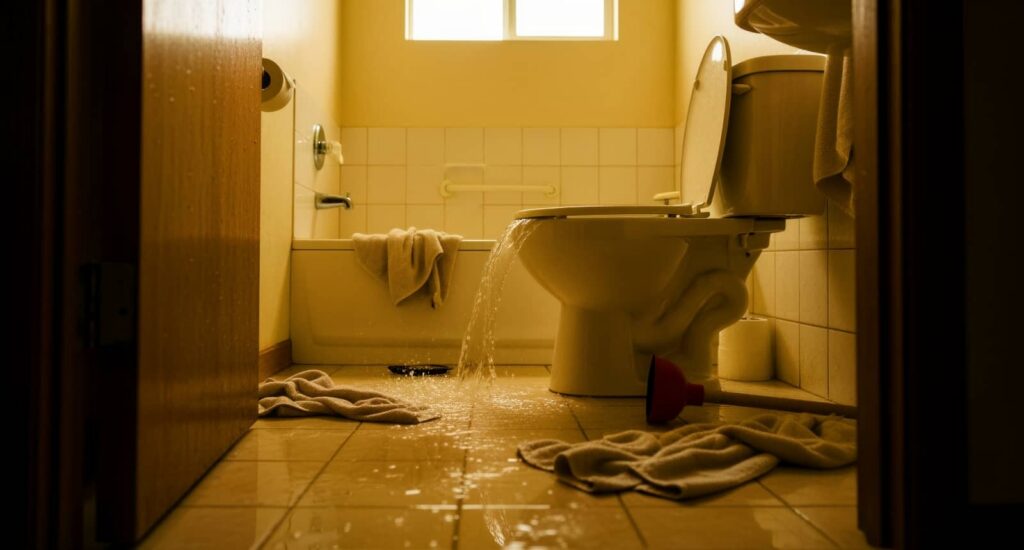
When sewage backs up, you need to act fast because contaminated water spreads bacteria, damages materials, and can compromise indoor air quality within hours. Emergency sewage removal services help isolate the affected area, remove waste with proper equipment, and ensure all surfaces are disinfected before hidden damage sets in. The real issue isn’t always what you can see, though, and that’s where the next steps become critical.
Key Takeaways
- Act immediately: evacuate people and pets, shut off water, and turn off electricity to the affected area if safe.
- Call emergency sewage removal services to contain contamination, extract standing sewage, and disinfect affected surfaces.
- Document damage with photos for insurance and keep clear of the area until cleanup is complete.
- Dry and inspect hidden spaces like walls, subfloors, and HVAC cavities to prevent lingering moisture, odors, and mold.
- Prevent future backups by fixing the cause, cleaning drains, and scheduling sewer inspections or backwater valve checks.
Why Emergency Sewage Removal Can’t Wait
When sewage backs up or overflows, you need to act fast because contaminated water can spread harmful bacteria, damage building materials, and create unsafe conditions within hours.
You’re dealing with Category 3 contamination, so every minute increases microbial growth, odor migration, and structural absorption.
Emergency sewage removal services use containment, extraction, disinfection, and moisture control to stop further spread and protect your home’s framing, finishes, and HVAC system.
If you wait, porous materials can retain waste, raising remediation complexity and cost.
Fast response also helps you restore a safe, healthy environment for everyone who belongs in your space.
You don’t have to manage this alone; trained crews bring the equipment and protocols needed to reduce exposure, stabilize conditions, and keep the damage from escalating.
What to Do After a Sewage Backup
Shut off the affected water source and keep people and pets out of the contaminated area immediately.
Next, turn off electricity to the wet zone if it’s safe to do so, because standing sewage can conduct current. Document visible damage with photos for your insurer, but don’t disturb soaked materials.
Ventilate the space by opening exterior doors and windows, and avoid fans that could spread contamination. Wear gloves, boots, and a mask if you must cross the area.
Contact your utility provider or property manager if the backup involves shared lines. Then call emergency sewage removal services without delay so your team can assess the hazard and protect your home.
Acting quickly helps your household stay safe, informed, and supported through a stressful event.
How Sewage Removal Services Clean Up the Mess
Once the scene is secured, sewage removal crews start by identifying the source, extent, and category of contamination so they can build a safe cleanup plan.
You’ll see them isolate the area, shut off affected utilities, and lay down containment barriers to protect clean spaces and your team’s peace of mind.
- They extract standing sewage with industrial pumps and vacuums.
- They remove contaminated porous materials that can’t be safely cleaned.
- They wash and disinfect hard surfaces with EPA-registered agents.
- They dry the area with air movers and dehumidifiers, then verify sanitation.
You stay informed throughout the process, and the crew works methodically so your property returns to a controlled, usable condition fast.
What Hidden Sewage Damage Can Remain
Even after visible sewage is removed, hidden damage can remain inside walls, under flooring, and in subfloor materials.
You may still have moisture trapped in insulation, drywall, baseplates, and seams, where it can drive microbial growth and material deterioration.
Porous materials absorb contaminated water quickly, so odors, staining, and loss of structural integrity can persist after surface cleaning.
Electrical components, HVAC cavities, and finish assemblies can also hold residue that isn’t obvious during a quick inspection.
You need targeted moisture mapping, odor tracing, and removal of affected materials to verify the space is safe.
When your cleanup team checks these concealed zones, you get a more complete restoration and a healthier home environment for everyone who lives there.
How to Prevent Another Sewage Backup
To reduce the risk of another sewage backup, you need to identify and correct the cause, not just clean the aftermath. You should inspect the main line, branch lines, and cleanouts for blockage, corrosion, or root intrusion.
Work with your plumbing team so you’re not guessing; shared vigilance protects everyone in the property.
- Schedule sewer camera inspections after cleanup.
- Clear grease, wipes, and debris from drains.
- Install or test a backwater valve.
- Maintain the system with routine professional service.
If your home sits below street level, add a sump or ejector check and verify pump operation.
Don’t ignore slow drains, gurgling, or odors; they’re early warning signs. By acting quickly and consistently, you keep your space safer, drier, and ready for the long term.
Frequently Asked Questions
How Much Do Emergency Sewage Removal Services Typically Cost?
You’ll typically pay $500 to $3,000, depending on contamination extent, cleanup area, and disposal needs. You can expect higher charges for emergency response, structural drying, and disinfecting because crews work fast and comply with regulations.
Do I Need to Leave My Home During Sewage Cleanup?
Yes, you should leave if sewage’s exposed, aerosolized, or affecting HVAC systems. You’ll reduce exposure risks by staying away until crews disinfect, dry, and verify safety. Ask your provider when it’s safe to return.
Will My Insurance Cover Sewage Backup Cleanup?
You’ll often get coverage if you have a sewer backup endorsement or similar rider. Check your policy limits, exclusions, and deductible, then document damage and call your insurer right away to start your claim.
How Long Does Sewage Removal and Drying Usually Take?
You’re usually looking at 1–3 days for removal and drying, though heavy contamination can take longer. Crews extract, disinfect, dehumidify, and monitor moisture so you’re safe, compliant, and back in your space faster.
Can Sewage Backups Affect Nearby Rooms Without Visible Flooding?
Yes, you can have hidden contamination in adjacent rooms. You’ll see seepage through wall cavities, subfloors, and HVAC pathways, so you should inspect and sanitize neighboring spaces immediately to prevent odors, pathogens, and structural damage.
Final Thoughts
You might think a sewage backup is just a foul inconvenience, but it quickly becomes a serious biohazard. When you act fast and call emergency sewage removal services, you limit contamination, reduce structural damage, and restore safe conditions before the mess gets any worse. The irony is simple: the longer you wait to “save time,” the more time, money, and health you lose. Quick, professional cleanup isn’t optional—it’s the fastest path back to normal.