
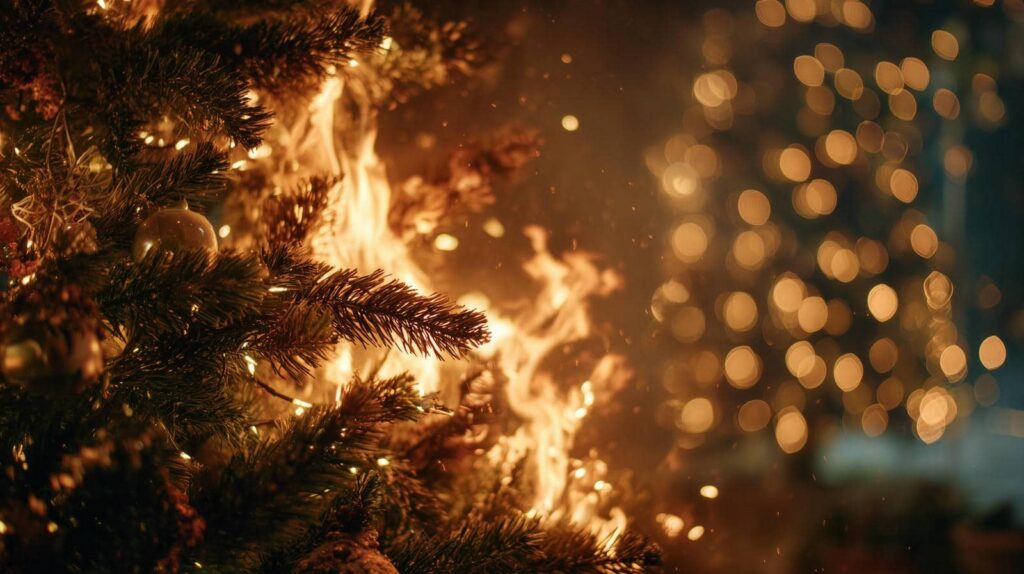
After a fire, the biggest risk often comes from what you can’t see: hidden structural damage, live utilities, and lingering smoke hazards. You should secure the property, check for unsafe conditions, and document every loss before you touch anything. Salvage what you can safely, then contact your insurer and a licensed restoration team. The steps you take now can protect both your safety and your claim.
Key Takeaways
- Secure the property by shutting off utilities, boarding broken openings, and tarping damaged roofs to prevent further damage.
- Stay out of unsafe areas, wear protective gear, and watch for weak floors, hot surfaces, and falling debris.
- Document all fire damage immediately with photos, written inventories, and saved receipts for insurance claims.
- Contact your insurer and a licensed restoration contractor promptly to coordinate cleanup and repairs.
- Salvage important items carefully, separating damaged goods from salvageable ones without washing soot-covered surfaces.
Secure the Fire-Damaged Property
After a fire, your first priority is to secure the property so no one gets hurt and the damage doesn’t get worse.
If you can enter safely, close doors and windows, board up broken openings, and tarp exposed roof areas to keep out weather and trespassers. Document every visible loss with photos and notes before you move anything.
Then contact your insurer and a qualified restoration team, and ask for temporary security measures if needed. This is a key part of what to do after fire damage because it helps preserve evidence and limits secondary loss.
Keep everyone out of unstable areas, and mark hazards clearly. You’re not handling this alone; a coordinated, methodical response protects your space and helps you move toward recovery.
Check Utilities and Safety Hazards
Before you re-enter or work in the property, make sure utilities are turned off and the area is free of hidden hazards.
Shut off gas, electricity, and water if you can do so safely, and don’t touch damaged switches, outlets, or appliances. If you smell gas, hear hissing, or see exposed wiring, leave immediately and call the proper utility or emergency service.
Watch for hot surfaces, weak floors, falling debris, sharp metal, and broken glass. Wear sturdy shoes, gloves, and a mask if soot or dust is present. Use flashlights, not open flames, for light.
Take a slow walk-through with someone you trust, staying alert and calm. When you check for danger first, you protect your crew, your home, and your next steps.
Document Fire Damage for Insurance
Start a thorough record of the damage as soon as it’s safe to do so, because strong documentation can speed up your insurance claim and support your losses.
Take wide-angle photos of every affected room, then capture close-ups of soot, charring, water intrusion, smoke residue, and warped materials.
Shoot from multiple angles and keep each image time-stamped if possible.
Create a written inventory that lists damaged items, their approximate age, brand, model, and condition before the fire.
Save receipts, warranties, and any repair estimates you already have.
Don’t clean, move, or discard anything until your insurer or restoration team advises you.
Back up files to cloud storage and a second device.
Good records help you stay organized, protect your claim, and move forward with confidence together.
Salvage Important Items Safely
Once the scene is safe and your insurance documentation is underway, you can carefully salvage the items that matter most.
Wear gloves, closed-toe shoes, and a mask to limit contact with soot and residue. Work from the least damaged areas first, and handle one item at a time so you can assess condition accurately.
Set aside critical documents, medications, identification, chargers, and irreplaceable keepsakes in clean, dry containers. If fabrics are damp, separate them to reduce staining.
Take photos of anything you move so your records stay complete. Ask a trusted family member or friend to help you sort, lift, and carry items safely.
If something feels unstable, contaminated, or too heavy, leave it for restoration professionals who know how to protect it.
Prevent Further Fire and Smoke Damage
After you’ve secured the most important items, focus on limiting additional harm to the structure and contents.
Turn off HVAC systems if you can do so safely, because they can spread soot and odor through the house. Close doors to damaged rooms to contain smoke residue. If windows are intact, keep them shut to reduce airflow and moisture.
Cover exposed openings with clean plastic sheeting or tarps to block rain, wind, and debris. Remove wet textiles, papers, and other porous items from unaffected areas so smoke doesn’t migrate.
Don’t wipe walls or fabrics yet; dry handling can grind soot deeper into surfaces. Use fans only if there’s no active smoke or hidden heat.
Stay calm and work together—small protective steps now help your home recover more smoothly later.
Call Your Insurance Company
Contact your insurance company as soon as it’s safe to do so, because prompt reporting helps speed up your claim and documents the loss while the damage is still fresh.
Give your policy number, the date and time of the fire, and a clear summary of what was affected. Ask what temporary protection, lodging, or expense limits your policy covers, and note the claim number, adjuster name, and preferred contact method.
Keep every receipt for emergency items, board-up services, and travel related to the loss. Photograph damaged areas before anything moves, and back up files if you can.
Speak plainly, ask questions, and record each call. You’re not handling this alone; your insurer can guide the next steps and help you stay organized.
Choose a Fire Damage Restoration Team
When you choose a fire damage restoration team, verify that its technicians hold the proper certifications and training for fire, smoke, and water damage.
Check how quickly the crew can respond in an emergency, because fast action helps limit secondary damage.
Then review the restoration scope so you know exactly which cleanup, repair, and documentation tasks they’ll handle.
Verify Certifications
Before you hire a fire damage restoration team, verify their certifications, licenses, and insurance coverage so you know they can handle the work safely and professionally.
Ask for proof of training in fire and smoke cleanup, structural drying, and hazardous material handling. You should also confirm the company follows industry standards and keeps its credentials current.
When you check these details, you protect your home, your budget, and everyone who enters the property. A qualified team can explain what each credential means and show matching documentation without hesitation.
If anything feels vague, keep looking. You deserve a crew that’s prepared, accountable, and part of the same careful effort to restore your space.
Trust comes from verified qualifications, not promises alone, and that matters now.
Assess Emergency Response
Assess how quickly a restoration team responds, because speed matters after fire damage and can limit smoke staining, corrosion, and secondary water damage.
You should ask whether they offer 24/7 dispatch, live updates, and clear arrival estimates. A good team will answer promptly, send a qualified coordinator, and explain the first safety steps they’ll take on site.
Look for crews that can stabilize the property fast, coordinate with your insurance contact, and keep you informed without jargon. That kind of response helps you feel supported when everything’s uncertain.
If they delay callbacks or seem vague about timing, keep looking. You need a partner who treats your home like their own and moves with urgency, precision, and respect from the start.
Review Restoration Scope
Once you’ve confirmed the team can respond quickly, review the restoration scope in detail so you know exactly what they’ll and won’t handle.
Ask for a written work plan that lists emergency board-up, water extraction, soot removal, smoke odor control, debris disposal, and structural drying.
Verify whether they coordinate with your insurer, test for hidden damage, and protect salvageable items.
You should also confirm exclusions, such as electrical repairs, roofing, or content inventory, so there aren’t surprises later.
A good team will explain equipment, timelines, and the sequence of tasks in plain terms.
That clarity helps you feel supported, keeps your home safer, and lets you make informed decisions with confidence.
When everyone understands the scope, your recovery crew can move in as one trusted unit.
Prepare for Fire Damage Cleanup
After the fire department clears the scene, you can begin preparing for cleanup by making the property safe and limiting further damage.
Shut off utilities if responders haven’t already, and avoid wet or unstable areas. Wear gloves, boots, and a respirator before you enter. Open windows if conditions allow to improve airflow and reduce lingering smoke odors.
Photograph all affected rooms, belongings, and structural damage so your restoration team can verify losses. Separate salvageable items from items that are clearly ruined, but don’t wash soot-covered surfaces yet.
Remove pets, food, and medications from contaminated areas. Then contact your insurer and a licensed restoration contractor.
Frequently Asked Questions
How Soon Can I Re-Enter My Home After a Fire?
You can re-enter only after firefighters or your utility provider say it’s safe, often after a formal inspection. Stay outside until then; structural, smoke, and electrical hazards can make your home dangerous.
What Should I Do if My Pets Were Exposed to Smoke?
If your pets were exposed to smoke, move them to fresh air, keep them calm, and call a vet immediately. Watch for coughing, lethargy, or breathing trouble, and document symptoms for follow-up care.
How Do I Replace Vital Documents Lost in the Fire?
Contact issuing agencies for replacements, request certified copies, and use temporary IDs if needed. You’ll need proof of identity, so gather photos, account numbers, and insurance records. Keep duplicates secure and update your digital backups.
Can I Stay Elsewhere While Waiting for Cleanup to Begin?
Yes, you can stay elsewhere while cleanup waits; think of your home as a ship in harbor, and you’re safest on shore. You’ll reduce exposure, document damage, and coordinate restoration without adding further loss.
What Clothes Are Safe to Wear After Fire Exposure?
You should wear clean, long-sleeved clothes, long pants, boots, and gloves that weren’t exposed to soot or smoke. If you only have damaged items, bag them separately and change after leaving the area.
Recap
Before cleanup begins, you should secure the property, shut off unsafe utilities, and document every visible loss for your insurer. Handle salvageable items carefully, and keep the space ventilated to limit smoke damage. Then call your insurance company and bring in a licensed restoration team to guide the next steps. Acting quickly helps you stay safe and organized, and it keeps the recovery process moving like a well-tuned engine.