
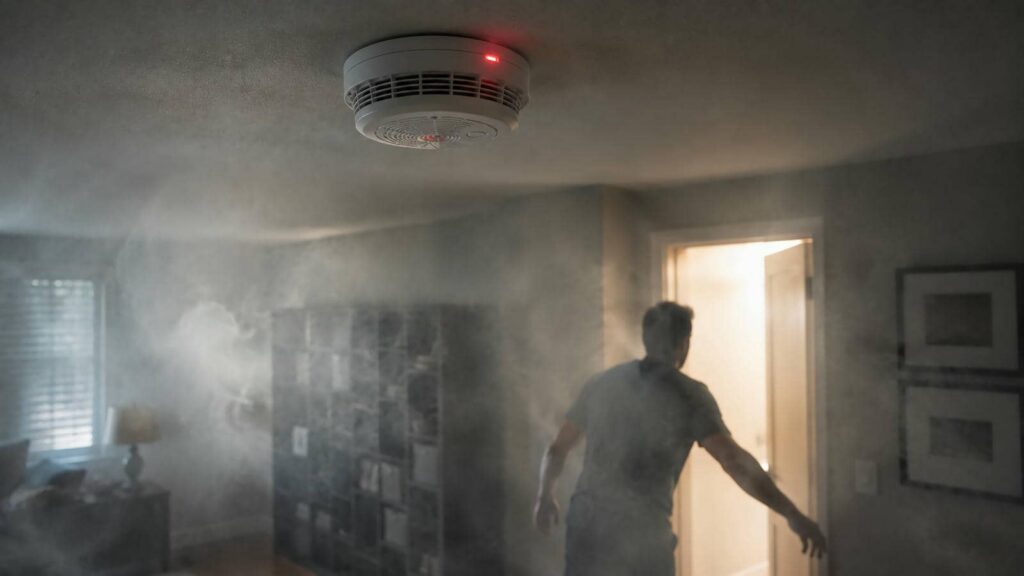
Soot Removal should begin as soon as it is safe to enter your property after a fire. Even after the flames are extinguished, soot continues to react with surfaces, potentially etching walls, staining ceilings, damaging furniture, and spreading through your HVAC system into other areas of the home. If left untreated, corrosive residue and persistent smoke odors can remain long after the fire. Prompt, thorough soot removal is essential to minimize permanent damage and restore your property safely.
Key Takeaways
- Soot cleanup matters because residue spreads onto walls, ceilings, furniture, and ducts, creating hidden contamination beyond the fire’s source.
- Soot is acidic and can etch paint, dull finishes, and damage drywall, plaster, fabrics, and wood over time.
- HVAC ducts can circulate soot throughout the home, so closing doors does not stop spread and duct inspection is essential.
- Leaving soot behind can cause persistent odors, staining, corrosion, and ongoing material deterioration.
- Professional removal uses assessment, targeted cleaning, deodorization, and HVAC inspection to restore safety and reduce further damage.
Why Soot Cleanup Matters After a Fire
After a fire, soot cleanup matters because residue can settle on walls, ceilings, furniture, and inside ductwork, where it continues to spread contamination if you leave it in place.
You need soot removal after house fire damage to reduce airborne particles, limit odor transfer, and protect your indoor environment.
When you act quickly, you help keep fine acidic residue from circulating through vents and recontaminating clean areas. You also lower the chance that hidden deposits will keep affecting your space after the flames are gone.
A thorough cleanup helps you restore normal conditions with confidence, and it shows that your home’s recovery is under control.
If you’re part of a family or team returning home, prompt soot cleanup supports everyone’s comfort, safety, and peace of mind.
How Soot Damages Walls, Ceilings, and Furniture
Soot doesn’t just leave a dark film behind; it can actively damage surfaces in your home. You’ll often see acidic particles etch paint, dull finishes, and stain porous materials.
On walls and ceilings, soot binds to moisture, then penetrates drywall, plaster, and textured coatings, making discoloration harder to reverse. It can also weaken adhesives and cause blistering, peeling, or chalking over time.
On furniture, soot settles into fabric, wood grain, and seams, leaving odors and corrosive residue that can degrade fibers and coatings.
If you live with these materials, you need prompt cleanup to reduce permanent marking and material breakdown. Acting quickly helps you protect the rooms and belongings you’ve worked hard to make feel like home.
How Soot in Ducts Spreads Through Your Home
When soot gets pulled into your HVAC system, it can travel far beyond the room where the fire started, circulating through supply vents, return ducts, and filters throughout the house.
You may notice fine gray dust at registers, on grilles, or around vents, because airflow carries lightweight particles into connected rooms. Your ductwork acts like a distribution network, so contaminated air can move wherever the system pushes it.
Even if you close doors, the HVAC cycle can still spread residue from one zone to another. That means you and your household share the same air pathway.
To keep your home healthy, you need a thorough duct inspection after fire damage. A trained team can identify affected sections, check filter loading, and confirm where soot has settled inside the system.
What Happens If Soot Is Left Behind
If you leave soot behind, it can keep releasing odor-causing compounds that embed in walls, ceilings, furniture, and duct surfaces.
You’ll also see persistent staining as fine particles bond to porous materials and discolor finishes over time.
Left untreated, soot can continue to corrode surfaces and degrade building materials, making cleanup more difficult and costly.
Lingering Odors And Stains
Lingering odors and stubborn stains often remain long after visible fire damage seems contained, because soot particles cling to porous surfaces and continue to off-gas over time.
You may notice the smell in fabrics, insulation, drywall, and HVAC registers, even after you ventilate the space. These residues contain acidic compounds and fine carbon particulates that can penetrate paint, grout, and upholstery, creating discoloration that won’t wash away with ordinary cleaning.
If you leave them in place, the odor can reappear when humidity rises or surfaces warm. Targeted soot removal helps you restore a cleaner indoor environment, so your home feels safe and livable again.
When you address residue promptly, you protect shared spaces, reduce persistent reminders of the fire, and support a smoother recovery.
Ongoing Surface Damage
Left untreated, soot continues to etch and discolor surfaces because its acidic particles react with paint, metal, glass, and finished wood over time.
You’ll see dull film, pitting, and yellowing as residues stay active after the fire. On drywall, soot can bind into the finish and weaken coatings; on metal fixtures, it can accelerate corrosion.
In HVAC ducts, it can recirculate contaminants and spread damage room to room. If you delay cleanup, you make restoration harder and costlier, and you may lose materials that could’ve been saved.
You deserve a home that feels safe and whole, so act quickly with professional soot removal, surface-specific cleaning, and moisture control.
Early intervention helps protect your belongings, preserve structural finishes, and restore your space with less disruption.
How Professional Soot Removal Works
When you hire a professional soot removal team, they first assess the residue on walls, ceilings, furniture, and ducts to identify soot type, spread, and surface damage.
Next, they use targeted cleaning methods to remove particulate matter without driving it deeper into materials.
They then deodorize affected areas to neutralize smoke compounds and reduce lingering odor.
Soot Assessment Process
Before cleanup begins, a professional team performs a soot assessment to determine where residue has settled and how severe the contamination is.
You’ll see technicians inspect walls, ceilings, trim, insulation, HVAC registers, and hidden cavities to map the spread of particulate matter. They identify dry, greasy, or acidic soot because each type behaves differently and affects materials in distinct ways.
The team also checks for heat damage, staining patterns, and airflow paths so you know the full scope of impact. They document findings with photos, notes, and measurements, then classify priority areas for targeted remediation.
This assessment helps you stay informed, supports accurate planning, and ensures your property gets the right level of professional care from a crew that understands what your home needs.
Cleaning And Deodorizing
Professional soot removal starts with a targeted cleaning sequence that lifts residue from walls, ceilings, furniture, and fixtures without driving particles deeper into surfaces.
You’ll see technicians dry-vacuum loose soot, then apply specialized cleaners matched to the material and smoke type. They test each surface first, so they don’t smear stains or damage finishes.
After cleaning, they deodorize the structure with thermal fogging, hydroxyl treatments, or air scrubbing to neutralize odor molecules, not just mask them.
They also treat ductwork and hidden cavities, where soot can keep circulating. This process helps you regain a cleaner, safer home and feel confident that your space truly belongs to you again.
Proper sequencing matters because residue and odor can return if any layer is missed.
When to Call a Soot Cleanup Professional
If soot has spread beyond a small, isolated area, you should call a cleanup professional to assess the damage and restore affected surfaces safely.
You’ll want expert help when residue coats walls, ceilings, furniture, HVAC ducts, or porous materials, because soot can etch finishes and keep releasing odors.
If you see streaking, discoloration, oily film, or a strong smoke smell after wiping, the contamination likely needs specialized equipment and cleaning agents.
Professionals can test surface stability, contain airborne particles, and remove residue without driving it deeper.
This matters because incomplete cleanup can leave your home unhealthy and make your family feel like you’re still living in the fire’s aftermath.
Choosing trained technicians helps you protect your space and return to a cleaner, safer environment.
Frequently Asked Questions
How Long Does Soot Cleanup Usually Take?
You’ll usually need a few hours to several days, depending on soot depth, affected rooms, materials, and HVAC contamination. You can expect larger fires to take longer, since technicians must clean, test, and deodorize carefully.
Can I Clean Fire Soot Myself Safely?
You can clean light soot yourself safely only if you wear respirator, gloves, and eye protection, ventilate well, and use dry-cleaning methods; heavy, oily, or structural soot needs professional remediation to avoid contamination.
What Cleaning Products Remove Soot Best?
You’ll get the best soot removal from dry-cleaning sponges, trisodium phosphate alternatives, and alkaline degreasers formulated for smoke residue. Don’t use water first; it can smear soot. Test surfaces, then clean gently and ventilate well.
Does Soot Cause Permanent Odors in Homes?
Yes, soot can cause permanent odors if you don’t remove it quickly. You’ll need to clean porous surfaces, HVAC ducts, and fabrics thoroughly, because residues keep releasing odor compounds and contaminate your home’s air.
Is Soot Cleanup Covered by Homeowners Insurance?
Yes, you’re often covered if soot resulted from a sudden, accidental fire, but your policy, deductible, and exclusions matter. You should document damage, call your insurer fast, and use approved remediation to protect your claim.
Review
If you leave soot in place, your house politely continues the fire’s work—quietly staining walls, corroding metal, and circulating debris through your ducts as if that were a fine upgrade. You can skip cleanup, of course, if you enjoy lingering odors and reduced air quality. But if you want your home back in working order, call a soot removal professional and deal with the residue before it turns damage into a long-term habit.