
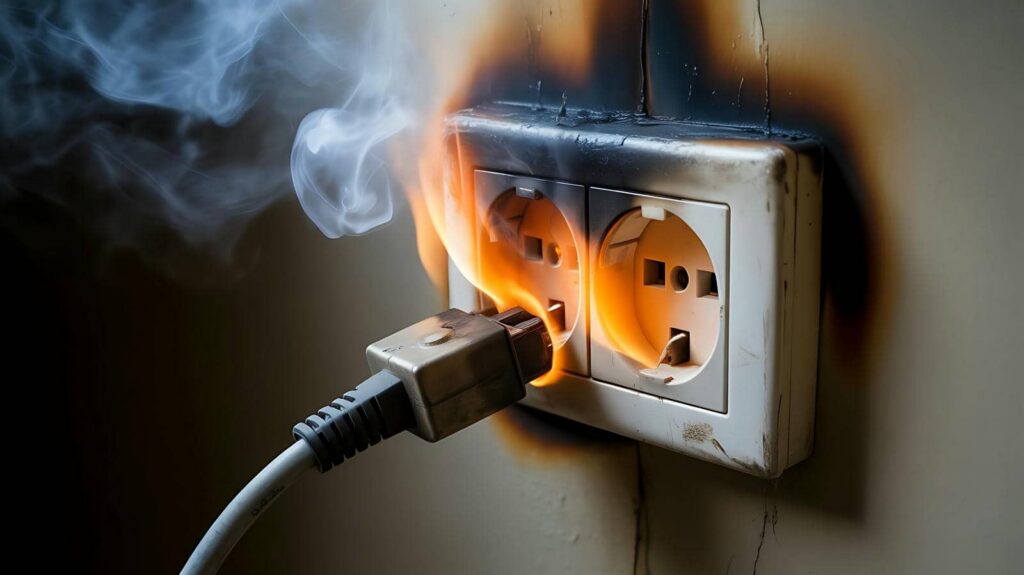
Fire Damage Restoration begins with a fast, organized response to minimize the effects of smoke, soot, and water damage. After a fire, the first steps are to secure the property, document the damage for insurance purposes, and protect salvageable inventory and belongings from further contamination. From there, professionals assess the structural integrity of the building, clean soot from surfaces and HVAC systems, remove smoke odors, and develop a plan to restore the property safely. Following the proper fire damage restoration process helps speed recovery and reduces the risk of long-term damage.
Key Takeaways
- Secure the site quickly, document damage, and contact insurers and restoration specialists to begin recovery.
- Remove smoke, soot, water, and moisture promptly to prevent corrosion, warping, and secondary damage.
- Inspect and repair structural elements, electrical systems, and HVAC components to ensure safety and code compliance.
- Protect inventory and critical assets by isolating contaminated items and prioritizing salvageable equipment and stock.
- Plan a phased reopening with clear communication, final inspections, and verified air-quality and safety clearance.
What Happens First After Fire Damage
First, after fire damage, you need to secure the site, assess immediate hazards, and document the loss so recovery can begin without delay.
You’ll then contact your insurer, notify facility stakeholders, and bring in a qualified crew for fire damage restoration for businesses. They’ll inspect structural elements, electrical systems, HVAC pathways, and water intrusion from suppression efforts, then map contamination and salvageable materials.
You stay informed as technicians create a controlled plan for debris removal, smoke residue cleaning, odor treatment, and protection of records, equipment, and inventory.
This first phase sets your team up for orderly repairs and helps everyone feel supported, coordinated, and ready for the next step.
Why Fast Fire Damage Restoration Matters
Fast fire damage restoration helps you get operations back online sooner by reducing cleanup time, stabilizing the building, and keeping recovery tasks on schedule.
It also limits secondary damage from smoke, soot, moisture, and corrosion, which can spread quickly and raise repair costs.
Minimize Business Downtime
When fire disrupts your facility, every hour of delay can affect revenue, operations, and customer confidence, so rapid restoration matters.
You need a restoration team that mobilizes quickly, assesses the space, and coordinates cleaning, drying, and repairs in a structured sequence. That approach helps you reopen critical areas sooner and keep staff focused on serving customers instead of managing chaos.
You’ll also gain clear communication, so you always know what’s happening, what’s next, and when each zone can return to use.
With experienced technicians handling the technical work, you can maintain continuity, protect schedules, and support your team through recovery.
Fast action doesn’t just restore a building; it helps restore your workflow, your service standards, and your place in the community.
Prevent Further Damage
Beyond getting operations back online, fast fire damage restoration also stops damage from spreading through the building. When you act quickly, you limit heat, smoke, and moisture from continuing to break down walls, ceilings, ductwork, and finishes.
Your restoration team can secure the site, remove debris, and begin controlled drying before corrosion, staining, and warping worsen. They’ll also identify hidden damage in cavities and behind surfaces, where lingering residue can keep degrading materials.
This rapid response helps you contain the incident to the affected zones instead of letting it cascade through nearby areas. You gain a clearer recovery path, fewer secondary repairs, and more confidence that your facility is being stabilized with care, precision, and the right technical process.
Protect Vital Assets
Protecting essential assets starts with stopping heat, smoke, and moisture from reaching equipment, inventory, records, and critical systems.
You need fast restoration because corrosive soot can keep eating away at electronics, metal surfaces, and stored products long after flames are out.
When you act quickly, you reduce contamination, stabilize temperatures, and limit water intrusion from suppression efforts.
Your team can then salvage documents, test machinery, and isolate damaged zones before losses spread.
That speed also helps you maintain compliance, preserve data integrity, and avoid costly replacements.
With the right restoration partner, you’re not facing recovery alone—you’re protecting the assets that keep your business moving and your people supported.
Every hour matters, and prompt action gives your operation a stronger path back.
Check Smoke and Soot Damage
Start by checking smoke and soot damage throughout the building, since these residues can spread far beyond the fire’s source and affect walls, ceilings, HVAC systems, electronics, and inventory.
You should inspect every surface for staining, odor, corrosion, and hidden residue in vents, returns, and overhead spaces. Use white cloth tests, moisture meters, and visual checks to document affected zones.
Because soot is acidic, it can etch metal, discolor finishes, and weaken sensitive components if you delay cleanup.
You’ll also want to identify smoke patterns so you can trace airflow and target restoration correctly.
When you assess damage methodically, you help your team stay coordinated, reduce surprises, and restore a safe, familiar workspace faster.
Secure Inventory and Business Assets
You should first identify which assets are critical to operations and move them to a secure, dry, controlled area for salvage.
Then you can document inventory conditions, isolate contaminated items, and use protective coverings or sealed storage to limit further smoke, moisture, or debris exposure.
This process helps you preserve recoverable stock, reduce write-offs, and keep restoration work moving with minimal disruption.
Asset Salvage Priorities
When fire strikes a business, salvage crews should prioritize the most critical inventory and assets first to limit financial loss and keep recovery on track.
You and your restoration team should identify revenue-generating stock, essential equipment, records, and branded materials before less urgent items. This triage helps you preserve operations, maintain client confidence, and protect the business identity your team’s built together.
Crews can separate salvageable assets from heat-damaged or contaminated materials, then document each item’s condition for claims and recovery planning.
You’ll want clear labeling, secure staging, and careful handling to prevent further loss during removal. By focusing on high-value, irreplaceable assets early, you strengthen your return-to-service plan and keep your workplace moving forward as one coordinated team.
Inventory Protection Measures
To protect inventory after a fire, you’ll need to secure the affected area quickly and control access before loss or contamination spreads.
You should lock down entry points, post temporary barriers, and log every person who enters.
Then you can sort stock by exposure: undamaged, smoke-exposed, water-damaged, and unsalvageable.
Use clean pallets, sealed bins, and labeled racks to keep items separated and traceable.
If you handle electronics, textiles, or packaged goods, move them to dry, climate-controlled space right away.
You’ll also want photos, counts, and chain-of-custody notes for insurance and recovery teams.
When you act together with your restoration crew, you protect not just products, but the business community around them.
Remove Firefighting Water and Residue
Firefighting water and residue need fast removal because every minute increases the risk of structural damage, corrosion, mold growth, and lingering smoke contamination.
You should deploy extraction pumps, wet vacuums, and absorbent materials to clear standing water from floors, wall cavities, and equipment areas.
Then, you can remove soot, ash, and fire suppressant residue from surfaces using the right detergents and HEPA-filtered tools.
You’ll also want to document affected zones, isolate sensitive assets, and monitor humidity so moisture doesn’t spread.
As you work through the cleanup, you’re protecting your team’s shared workspace and helping everyone return to normal operations sooner.
Careful residue removal reduces odors, limits secondary damage, and creates a cleaner, safer environment for the next restoration steps.
Repair Structural Fire Damage
Structural repairs come next, because damaged framing, roofing, walls, floors, and support systems can compromise safety and delay reopening.
You’ll want a qualified crew to inspect load-bearing members, joists, trusses, masonry, and fasteners before any rebuild starts. They’ll shore unstable areas, remove compromised materials, and replace them with code-compliant components that match your building’s design.
You can also schedule coordinated repairs so each phase supports the next, from temporary bracing to final reconstruction. This approach helps you protect your team, limit further deterioration, and restore confidence in your space.
When you work with restoration specialists who understand commercial needs, you’re not just fixing damage—you’re getting your facility ready to serve your customers and staff again.
Fix HVAC Issues and Indoor Air
Once the structure is stable, you should address HVAC issues and indoor air because smoke, soot, and water can circulate through ductwork and spread contamination throughout the building.
You’ll want a qualified team to inspect air handlers, coils, filters, dampers, and ducts for residue, corrosion, and hidden moisture. They should clean and sanitize components, replace damaged filters, and verify that the system isn’t recirculating pollutants.
If insulation or flex duct is charred or soaked, replace it to protect air quality. You can also use HEPA filtration and controlled ventilation to reduce lingering odors and fine particulates.
These steps help you restore a healthier workspace, support your staff’s comfort, and bring your facility back to a condition you can trust together.
Plan Your Reopening After Fire Damage
With the building stabilized and contaminants under control, you can begin planning your reopening by mapping out each repair, inspection, and clearance step in a practical sequence.
You’ll want to confirm structural safety, verify electrical and HVAC performance, and document every completed service before inviting staff back. Keep your team informed so everyone knows when access, stocking, and operations can safely resume.
- Schedule final inspections with fire, health, and building officials.
- Review cleaning logs, moisture readings, and air-quality results.
- Set a phased return plan for employees and customers.
You don’t have to rush the process; a measured reopening protects your people, inventory, and reputation.
When you coordinate each sign-off carefully, you help your business come back stronger and more connected.
Frequently Asked Questions
How Do Insurance Claims Work for Commercial Fire Damage?
You file a claim, document damage, and your insurer assesses losses. You’ll meet an adjuster, authorize repairs, and negotiate coverage. Act quickly, keep receipts, and follow policy terms to protect your payout and minimize downtime.
Can Employees Safely Enter the Building Before Restoration Ends?
No, you shouldn’t let employees back in until professionals clear the site. You’ll need air-quality checks, structural inspections, and hazard removal first, so your team can return safely and feel secure together.
How Are Sensitive Documents and Electronics Restored After a Fire?
You’ll restore sensitive documents and electronics through careful stabilization, soot removal, drying, and decontamination. Technicians’ll digitize papers, recover data, and clean components with specialized methods, so you keep continuity and feel supported throughout recovery.
What Permits Are Needed for Commercial Fire Repair Work?
You’ll usually need building, electrical, plumbing, mechanical, and fire-safety permits, plus debris-removal approvals. Your contractor should verify local codes, submit plans, and schedule inspections so you can restart safely and confidently.
How Can Businesses Prevent Future Fire Damage Incidents?
You can prevent future fire damage by inspecting wiring, servicing extinguishers, training staff, and storing flammables safely. Keep a watchful eye on alarms and exits; these steps help you stay ahead and protect your team.
Final Thoughts
When fire damages your commercial space, you need to act like a crew at dawn, not a customer waiting at the door. The first 24 hours after a warehouse fire are often the most important, as smoke residue and soot can continue damaging surfaces and equipment until they are addressed. You can stabilize hazards, protect inventory, remove water, and repair the structure faster with a qualified restoration plan, so you’ll reopen safely and keep your business moving.