
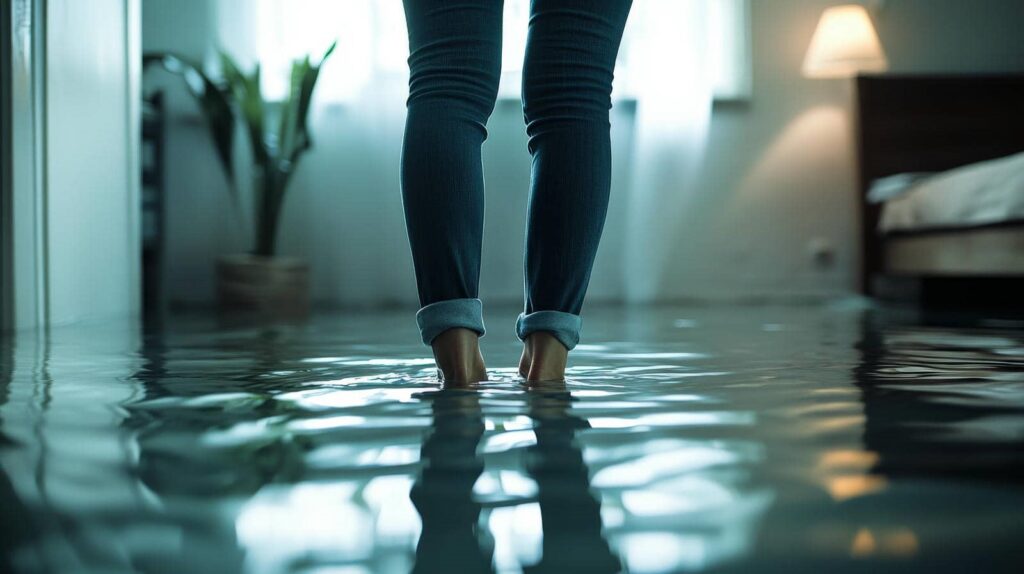
When water invades your property, you need to act fast and stay methodical. Emergency Water Removal: What to Do When Water Invades Your Property starts with shutting off the source, cutting power to affected areas, and avoiding slip risks before you do anything else. Then document the damage, remove standing water, and start drying every surface you can reach. Hidden moisture can linger behind walls and under floors, so the next few steps matter more than you might expect.
Key Takeaways
- Shut off the water source and, if safe, cut power to the wet area to prevent flooding and electrical hazards.
- Document all damage with photos and videos before moving anything for insurance claims.
- Remove standing water quickly using safe methods like pumps or wet vacuums.
- Dry walls, floors, and furniture fast with fans, dehumidifiers, and open windows to limit mold growth.
- Call professionals for trapped moisture, hidden damage, or contaminated water, especially if drying is slow or unsafe.
Stop the Water Source
First, if it’s safe to do so, shut off the water at its source to stop additional flooding and limit further damage. You’ll usually find the main shutoff valve near the meter, basement wall, or where the supply line enters your home. Turn it clockwise until it stops, or use the fixture valve if only one appliance is leaking.
If you’re dealing with a burst pipe, act fast and call for emergency water removal support so your team can start drying and extracting water right away. After the flow stops, open a nearby faucet to relieve pressure in the line.
Then inspect the area from a distance and note where water is still spreading. Taking this step early helps protect your space, reduces repair costs, and gives your household a stronger starting point.
Check for Electrical and Slip Hazards
With the water source shut off, your next priority is safety around the affected area.
Before you step in, turn off power to the wet zone at the breaker if you can reach it without crossing standing water. If you can’t confirm that the circuit is de-energized, stay back and call a licensed electrician.
Keep everyone out of puddled rooms, and don’t use extension cords, outlets, or appliances near damp floors.
Next, scan for slick surfaces, loose rugs, and hidden debris. Wear rubber-soled shoes, move slowly, and use a flashlight instead of overhead fixtures if the room feels unsafe.
Mark dangerous spots so your household stays clear. Taking these precautions helps your team protect one another while you prepare for cleanup.
Take Photos for Your Insurance Claim
Before you move or clean anything, take clear photos and video of the damage for your insurance claim. Capture wide shots of each affected room, then zoom in on floors, walls, furniture, baseboards, and any visible staining or debris.
Use good lighting and include landmarks, like doors or windows, so you can show where the damage occurred. If items are damaged, photograph them from multiple angles and keep a simple list of what was affected.
Save original files and back them up right away. This record helps your adjuster verify the loss and can support faster claim processing.
Remove Standing Water Quickly
Get standing water out as quickly as you can to limit further damage and reduce the risk of mold, rot, and structural issues.
Start with the safest method you have, whether that’s a wet vacuum, pump, mop, or buckets. If the water is deep or contaminated, shut off power to the affected area and call professionals right away.
Work from the lowest point toward exits so you’re not tracking water back in. Keep children and pets out of the space, and wear gloves and boots if you can.
Check hidden pockets behind doors, under rugs, and around appliances, because leftover water can keep spreading. The faster you remove it, the sooner your property can stabilize and your crew can move to recovery together.
Dry Walls, Floors, and Furniture Fast
Start by removing surface moisture from walls, floors, and furniture with clean towels, a wet/dry vacuum, or absorbent cloths.
Then speed up airflow by running fans, opening windows if conditions allow, and using dehumidifiers to pull remaining moisture from the space.
This helps you dry materials faster and lowers the risk of warping, swelling, and mold growth.
Remove Surface Moisture
Blot and pull away standing moisture right away to limit absorption into drywall, flooring, and furniture. Use clean, absorbent towels, microfiber cloths, or a wet vac to lift water from hard surfaces before it wicks deeper.
Work from the outside of the wet area toward the center so you don’t spread contamination. Press firmly on seams, corners, and fabric edges, where liquid hides longest. For upholstered pieces, blot in sections and replace damp towels often.
On wood and laminate, dry the top and bottom edges, plus any exposed joints. You’re doing the right thing by acting fast and methodically.
Keep checking for lingering damp spots, because hidden surface moisture can cause staining, swelling, and odor even after the visible water is gone.
Speed Up Airflow
Once you’ve removed the visible moisture, move air aggressively across the wet areas so walls, floors, and furniture dry before damage can spread.
Place box fans to create cross-ventilation, and keep them angled low across flooring and baseboards. If you’ve got a dehumidifier, run it in the same room to pull vapor from the air.
Open interior doors and closet panels so trapped spaces don’t stay damp. Lift cushions, rugs, and furniture legs to let air reach hidden surfaces.
Keep supply vents unobstructed, but don’t use central heat if it drives humidity up. Check progress every few hours; cool, musty air means you need stronger airflow.
When you act fast and work together, you give your space the best chance to dry cleanly and stay safe.
Check for Hidden Water Damage
Even after visible water is gone, hidden damage can linger in walls, floors, insulation, and cabinets. You’ll want to inspect damp areas closely for stains, warping, bubbling paint, soft drywall, musty odors, or moisture around baseboards and trim.
Run your hand along flooring edges and behind furniture, and check under sinks, beneath appliances, and inside closets for discoloration or swelling. Use a flashlight to spot subtle changes in seams and joints, and note any buckling near door frames or cabinets.
If you find trapped moisture, document it and contact a qualified water damage professional. You’re not overreacting; careful inspection helps your home’s structure stay sound and gives you confidence that you’ve caught problems early, before they spread into the rest of your space.
Prevent Mold Growth
To prevent mold growth after water damage, you need to dry affected materials quickly and keep humidity low. Remove standing water, open windows if weather allows, and run fans and dehumidifiers to move air through every room.
You should pull up damp rugs, lift furniture pads, and separate wet items so they can dry evenly. Wash hard surfaces with soap and water, then disinfect them to reduce spores.
Check wall cavities, baseboards, and under cabinets for trapped moisture, because mold can start within 24 to 48 hours. Keep indoor humidity below 60% with a meter, and inspect each area daily until everything feels dry.
When you act fast, you protect your home and keep your space healthier for everyone in it.
Call Water Cleanup Pros When Needed
When water damage is widespread, you should call cleanup pros right away so they can perform a rapid assessment and stop further loss.
They’ll use specialized drying equipment to remove hidden moisture from walls, floors, and structural materials.
This fast response also helps prevent mold growth and protects your property’s condition.
Rapid Assessment
After a flood, leak, or burst pipe, you need to assess the damage fast so you can stop further water intrusion and start drying the affected areas.
First, shut off water and electricity if it’s safe, then check the source, spread, and depth of moisture. Walk the perimeter, note warped flooring, wet drywall, stains, and pooling water, and photograph everything for your records.
Test affected rooms, closets, and cabinets, because water often travels farther than you expect. If you smell sewage, see contaminated water, or the damage covers multiple rooms, call Water Cleanup Pros right away.
A quick, organized assessment helps you make smart decisions, protect your home, and feel less overwhelmed. You’re not handling this alone; your response team can guide the next steps confidently.
Specialized Drying
Specialized drying may be necessary if water has soaked into subfloors, wall cavities, insulation, or other hidden spaces that standard fans can’t reach.
You’ll need targeted equipment like low-grain dehumidifiers, air movers, and moisture meters to pull water out of materials efficiently.
If you notice warped trim, damp odors, or cool spots on walls, don’t guess—measure hidden moisture and keep drying until readings normalize.
You can help by clearing access, removing wet contents, and keeping HVAC on if a pro says it’s safe.
When moisture stays trapped, call Water Cleanup Pros; they can set up controlled drying and verify progress.
That way, you’re not facing damage alone, and your space gets the focused care it needs.
Mold Prevention
To prevent mold growth, you need to remove standing water quickly, keep humidity low, and dry affected materials within 24 to 48 hours whenever possible.
You can protect your home and everyone in it by acting fast and staying methodical. Follow these steps:
- Open windows, run fans, and use dehumidifiers to lower moisture.
- Remove soaked carpets, pads, and porous items that can’t dry fully.
- Clean hard surfaces with soap and water, then disinfect if needed.
Check hidden areas behind walls, under flooring, and inside cabinets for dampness.
If you notice a musty smell, discoloration, or widespread saturation, call Water Cleanup Pros.
You’re not dealing with this alone; trained technicians can assess the damage, dry the structure, and help you restore a safe, healthy space.
Frequently Asked Questions
How Do I Know if My Insurance Covers Water Damage?
Check your policy for covered perils, exclusions, and deductibles. You’ll usually get protection for sudden leaks or burst pipes, but not gradual seepage. Call your insurer now, document damage, and ask for written confirmation.
Can I Clean Contaminated Floodwater Myself?
No, you shouldn’t clean contaminated floodwater yourself; CDC notes floodwater can carry sewage and pathogens. You’ll protect your home and your crew by staying out, wearing PPE, and calling certified remediation pros fast.
What Items Should I Throw Away After Flooding?
Throw away porous items soaked by floodwater: carpets, mattresses, upholstered furniture, insulation, drywall, paper goods, and contaminated food. You should discard medicines, cosmetics, and baby items too. Wear gloves, bag debris, and stay safe.
How Soon Should I File a Water Damage Claim?
File your water damage claim immediately, ideally within 24 to 48 hours. You’ll protect coverage, speed repairs, and show diligence. Document damage, notify your insurer, and keep receipts so you’re not handling this alone.
Should I Move Valuables Before Cleanup Starts?
Yes, you should move valuables before cleanup starts if you can do it safely. You’ll protect irreplaceable items from further damage. Avoid lifting soaked furniture alone, and prioritize electronics, documents, and sentimental items first.
Final Thoughts
When water invades your property, act fast, stay safe, and stay focused: stop the source, cut the power, document the damage, and remove standing water. Then dry everything thoroughly, check for hidden moisture, and watch for mold before it takes hold. The quicker you respond, the less damage you’ll face. If the job’s bigger than you can manage, call water cleanup pros—they’ve got the tools, the training, and the time you need.