
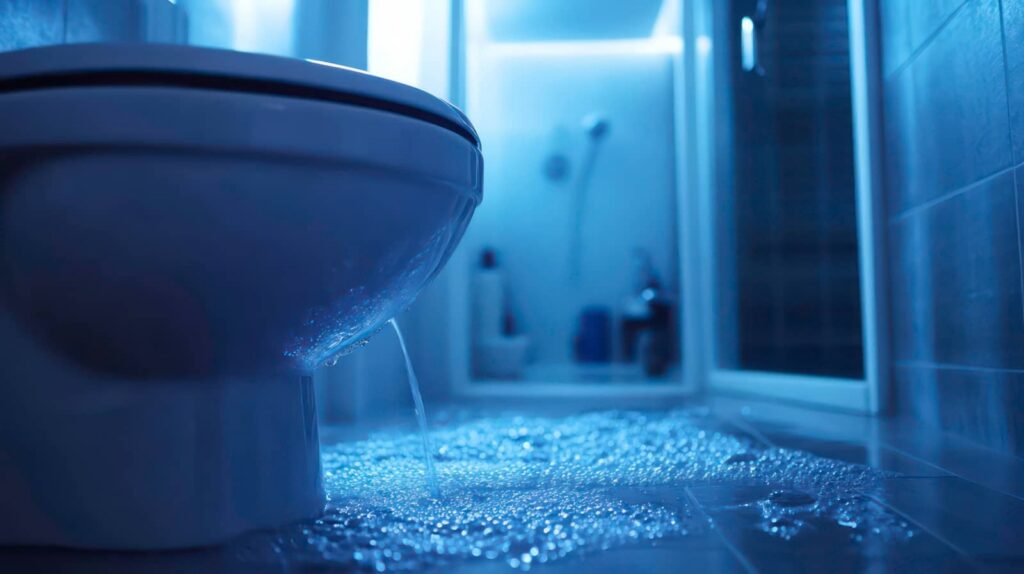
Is it true that quick action after a sewage backup can cut health risks and limit structural damage? Sewage cleanup should begin by shutting off the water supply, stopping the use of connected fixtures, and keeping people and pets out of the area. Then you’ll need to remove contaminated materials, disinfect exposed surfaces, and decide whether the damage calls for professional cleanup before hidden contamination spreads.
Key Takeaways
- Shut off the water supply, avoid affected drains, and keep people and pets out of the contaminated area.
- Wear gloves, boots, eye protection, and a fitted mask before touching anything; ventilate safely by opening windows.
- Stop HVAC systems and protect clean areas with plastic barriers or towels to prevent spreading contamination.
- Remove standing sewage and soaked porous materials quickly, bag waste securely, and discard items that cannot be cleaned.
- Disinfect all exposed surfaces thoroughly, then call professionals for large or complex sewage backups.
Stop the Sewage Backup and Stay Safe
First, shut off the water supply to stop additional flow, and avoid using any sinks, toilets, or appliances connected to the affected drain line.
Then, keep everyone out of the contaminated area and treat every surface as unsafe. You should put on gloves, boots, eye protection, and a fitted mask before you touch anything.
If sewage is pooling, block foot traffic and isolate pets so you don’t spread contamination. Open windows if you can do so safely to improve ventilation.
Take photos for documentation, but don’t kneel, sweep, or use a vacuum. In sewage cleanup, you protect your household by controlling exposure first.
If the backup keeps rising or you smell gas, leave the area and contact qualified help right away.
Act Fast to Limit Sewage Damage
Act immediately to reduce how far sewage spreads and how deeply it soaks in. Move people and pets away, then open doors and windows if it’s safe so moisture doesn’t linger. Shut off HVAC systems that could circulate contaminated air.
Protect nearby clean areas by placing towels or plastic barriers at entry points. If water is still seeping, contain it with absorbent materials and keep traffic off wet surfaces.
Document affected rooms so you can track progression and coordinate help. Don’t wait for odors or staining to intensify; porous materials absorb fast, and every minute increases cleanup complexity.
Stay organized, stay cautious, and act as a team so your home can recover faster and with less damage.
Remove Sewage and Contaminated Materials
Remove all standing sewage and any materials it has soaked through as soon as the area is safe to enter. You should work from the outer edges inward to avoid spreading contamination.
Scoop or pump liquids into approved containers, then bag porous items that can’t be fully cleaned, such as carpet, insulation, drywall, and upholstered padding. Cut contaminated sections into manageable pieces so you can carry them out without dragging them through clean areas.
Seal waste in heavy-duty bags or wrap it securely in plastic before disposal. Keep clean and dirty tools separate, and change gloves if they tear or become heavily soiled.
If you’re unsure whether a material can be salvaged, treat it as waste. Acting methodically helps your team protect the space and move toward recovery.
Disinfect the Area After a Sewage Backup
Once the contaminated materials are out, disinfect every exposed surface to kill remaining pathogens and reduce the risk of infection.
You belong to a group that acts fast and cleans with care, so wear gloves, boots, and eye protection before you begin.
Use a disinfectant labeled for sewage cleanup, mix it exactly as directed, and keep surfaces visibly wet for the full contact time.
Scrub porous edges, seams, and corners where residue hides.
Then rinse hard surfaces with clean water and dry them thoroughly.
- Protect yourself before touching anything.
- Cover every affected surface completely.
- Respect the dwell time for real disinfection.
- Dry the area to stop microbial growth.
Call Professional Sewage Cleanup Help
If the backup affects a large area, involves contaminated porous materials, or reaches HVAC, walls, or electrical systems, call a professional sewage cleanup team right away.
You need trained technicians who can isolate the zone, remove wastewater, and verify that hidden contamination isn’t left behind. They’ll use PPE, extraction pumps, air movers, dehumidifiers, and antimicrobial treatments in a controlled sequence.
You should ask for moisture mapping, odor control, and documentation for insurance or code compliance.
Professional crews can also determine what materials must be discarded and what can be restored safely.
When you bring in certified help, you protect your health, reduce structural damage, and rejoin a safer, cleaner space faster.
Frequently Asked Questions
How Do I Know if Sewage Entered Hidden Wall Spaces?
You’ll notice sewage in hidden wall spaces by musty odors, staining, swelling drywall, peeling paint, or damp baseboards. Use a moisture meter or inspection camera, and call a licensed professional if you suspect contamination.
Can I Use My Home Insurance for Sewage Cleanup Costs?
Yes, you can often use your home insurance. You’ll need to check your policy for sewer backup endorsements, exclusions, deductibles, and claim deadlines.
How Long Does Sewage Odor Usually Linger After Cleanup?
Usually, you’ll notice sewage odor for 1-3 days after cleanup, but hidden moisture can extend it. You should ventilate, dry materials fast, and inspect for residual contamination; if it lingers, call a pro.
Is It Safe to Keep Pets Away During Sewage Cleanup?
Yes, you should keep pets away during cleanup. You’re reducing exposure to bacteria, chemicals, and contaminated water. Test the theory that “they’ll be fine” later—professional sanitizing protects their health and your home’s shared space.
When Should Damaged Flooring Be Completely Replaced?
You should replace damaged flooring when it’s warped, delaminated, stained, smells persistently, or can’t fully dry within 24–48 hours. You’ll protect your home’s structure, sanitation, and safety by removing compromised materials promptly.
Review
When a sewage backup hits, the “real urgency” is stopping the flow, protecting yourself, and cleaning fast—because waiting only gives contamination more time to spread. Shut off the water, keep people and pets away, remove soiled materials, and disinfect every exposed surface. What looks like a simple plumbing problem can quickly become a health hazard, so don’t treat it lightly. If the damage is extensive, call professional cleanup help to restore safety properly.